
What Questions Should You Ask During a Site Visit? A …
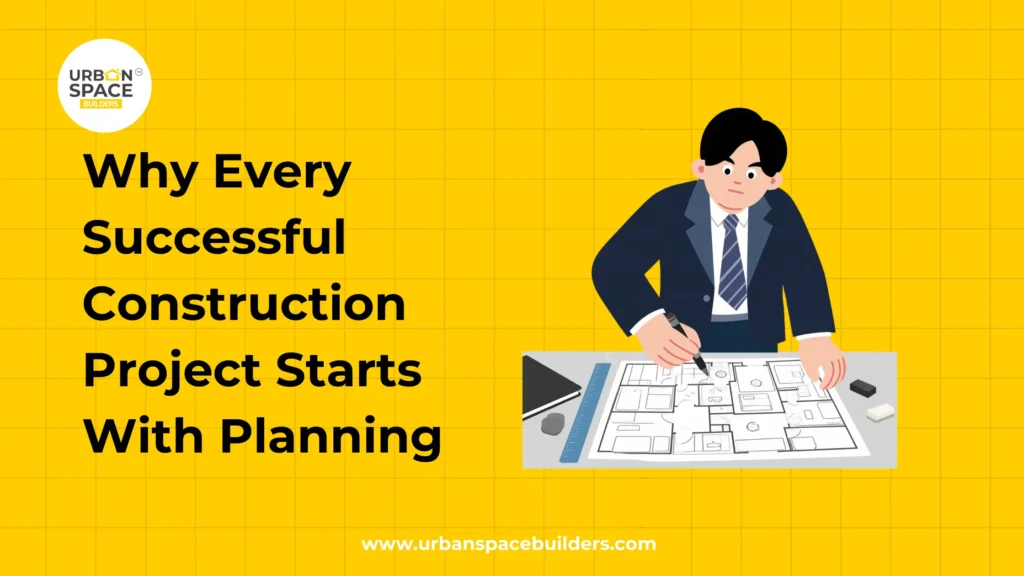
Why Every Successful Construction Project Starts With Planning
Building your dream home is one of the biggest investments of your life. Yet, many homeowners focus only on the final design and overlook the most important phase of the journey, which is construction planning.
A successful construction project does not begin with excavation or brickwork. It starts with a detailed plan that defines the budget, timeline, design, materials, approvals, and execution strategy. Proper planning helps homeowners avoid costly mistakes, delays, and unnecessary stress while ensuring the project is completed on time and within budget. Studies and industry experts consistently highlight that early planning significantly reduces risks and improves project outcomes.
If you are planning to build your dream home, understanding why planning matters can save you time, money, and frustration. At Urban Space Builders, we help homeowners plan and build their dream homes with confidence.
What is Construction Planning?
Construction planning is the process of organizing every stage of a building project before the actual construction starts. It includes:
- Defining project goals
- Setting a realistic budget
- Creating architectural and structural designs
- Obtaining legal approvals
- Estimating material requirements
- Scheduling construction activities
- Managing risks and contingencies
A proper construction plan acts as a roadmap that guides the entire project from concept to completion. It helps builders and homeowners align expectations and avoid confusion during execution.
1. Planning Helps Define a Realistic Budget
One of the most common reasons for construction delays is poor financial planning.
Many homeowners underestimate costs related to:
- Foundation work
- Structural materials
- Interior finishes
- Electrical and plumbing systems
- Waterproofing
- Government approvals
- Unexpected site conditions
A detailed construction budget allows you to allocate funds properly and prepare for unforeseen expenses. Planning also enables you to compare different materials and design options before construction begins.
Without a budget plan, small changes during construction can quickly become expensive and affect the overall project timeline.
2. Proper Planning Saves Time
Every successful residential construction project follows a structured timeline.
Planning helps determine:
- When excavation should begin
- Material delivery schedules
- Labour allocation
- Plumbing and electrical installation timelines
- Interior finishing schedules
- Final inspection dates
Without a timeline, projects often face delays due to material shortages, design changes, or coordination issues.
Industry reports show that construction planning creates a clear sequence of tasks and improves project efficiency by reducing idle time and unexpected interruptions.
3. Better Design Decisions Lead to Better Living
A home should not only look beautiful but also support your lifestyle.
Planning gives homeowners time to think about:
- Number of bedrooms
- Natural lighting
- Ventilation
- Parking space
- Future family needs
- Home office spaces
- Smart home features
- Energy efficiency
Good planning ensures the house remains functional for years.
Before construction begins, discussing your requirements with experienced professionals helps create a design that balances aesthetics and practicality.
If you are planning your dream home, explore the residential construction solutions offered by Urban Space Builders.
Their team focuses on designing homes that combine style, comfort, and long term value.
4. Structural Planning Ensures Safety
A beautiful home is meaningless without a strong structure.
Structural planning determines:
- Foundation type
- Load-bearing capacity
- Beam and column sizes
- Soil suitability
- Earthquake resistance
- Overall building stability
Skipping structural analysis can lead to serious issues such as cracks, settlement problems, or long term safety concerns.
Experts recommend conducting site investigations and structural design reviews before starting construction to ensure safety and compliance with regulations.
You can learn more about this topic here: Importance of Structural Engineering in Home Construction
Understanding structural engineering before construction can save homeowners from expensive repairs in the future.
5. Planning Helps Obtain Legal Approvals Faster
Construction projects require multiple approvals before work begins.
Some important approvals include:
- Building plan approval
- Land verification
- CMDA approvals
- Utility permissions
- Completion certificates
Failing to secure proper approvals can result in legal complications and construction delays.
The approval process is easier when architectural drawings, structural plans, and legal documents are prepared in advance. Homeowners should verify all permissions before construction starts to ensure smooth project execution.
6. Planning Improves Material Management
Material costs represent a major portion of any construction budget.
A good construction plan helps estimate:
- Cement quantity
- Steel requirements
- Brick and block count
- Tiles and flooring materials
- Paint and finishing products
- Waterproofing materials
This prevents:
- Material shortages
- Overordering
- Storage problems
- Price fluctuations affecting budgets
Planning also gives homeowners enough time to select high quality materials instead of making rushed decisions.
7. Waterproofing Must Be Planned Early
Many homeowners think waterproofing is only required after construction.
In reality, waterproofing should be planned during:
- Foundation work
- Basement construction
- Terrace slab installation
- Bathroom construction
- External wall finishing
Early waterproofing protects the home from:
- Water seepage
- Damp walls
- Mold growth
- Structural damage
- Expensive maintenance costs
For homes located in areas with heavy rainfall, waterproofing becomes even more important.
You can read these expert waterproofing tips: Waterproofing Tips for Homes in High Rainfall Areas
Planning waterproofing early increases the lifespan of the building and reduces maintenance expenses.
8. Planning Reduces Construction Risks
Construction projects involve several risks:
- Weather delays
- Labour shortages
- Material price increases
- Design changes
- Site issues
- Approval delays
A detailed construction plan identifies these risks early and prepares solutions before they affect the project.
Risk management strategies may include:
- Emergency budget reserves
- Alternative suppliers
- Flexible scheduling
- Quality inspections
- Regular project reviews
Planning does not eliminate risks completely, but it significantly reduces their impact on the project.
9. Planning Helps Maintain Quality
Quality construction is not accidental.
It requires:
- Standard operating procedures
- Material quality checks
- Engineering supervision
- Stage-wise inspections
- Proper documentation
When quality standards are established before construction begins, builders can maintain consistency throughout the project.
Construction experts emphasize that quality assurance should be integrated into the planning stage rather than being treated as an afterthought.
Why Choose Urban Space Builders for Your Construction Project?
Planning is the foundation of every successful construction project, and choosing the right construction partner makes all the difference.
At Urban Space Builders, every project starts with:
- Detailed project consultation
- Transparent cost estimation
- Customized home designs
- Structural engineering expertise
- Quality material selection
- Timely project execution
- Professional site supervision
Whether you are building a modern villa or a compact family home, their team focuses on delivering homes that are durable, beautiful, and future ready.
Final Thoughts
Every successful construction project begins long before the first brick is laid.
Planning gives homeowners clarity about budgets, timelines, design choices, structural safety, and long term maintenance. It minimizes risks, improves quality, and ensures the entire construction journey remains smooth and stress free.
If you are planning to build your dream home, invest time in creating a solid construction plan and work with experienced professionals who understand every stage of the process.
Because when planning is done right, construction becomes easier, faster, and far more rewarding.
Frequently Asked Questions (FAQs)
- Why is planning important before starting construction?
Planning helps manage budget, timeline, design, approvals, and risks before construction begins.
- What is included in construction planning?
It includes budgeting, design, approvals, material estimation, scheduling, and risk management.
- Can planning reduce construction costs?
Yes. Proper planning avoids rework, delays, and unnecessary expenses.
- Why is structural planning important?
Structural planning ensures the building is safe, stable, and durable.
- When should waterproofing be planned?
Waterproofing should be planned before construction starts, especially for foundations, terraces, and bathrooms.
Recent Posts
What Questions Should You Ask During a Site Visit? A …
Let's Build Your Dream Home Now!
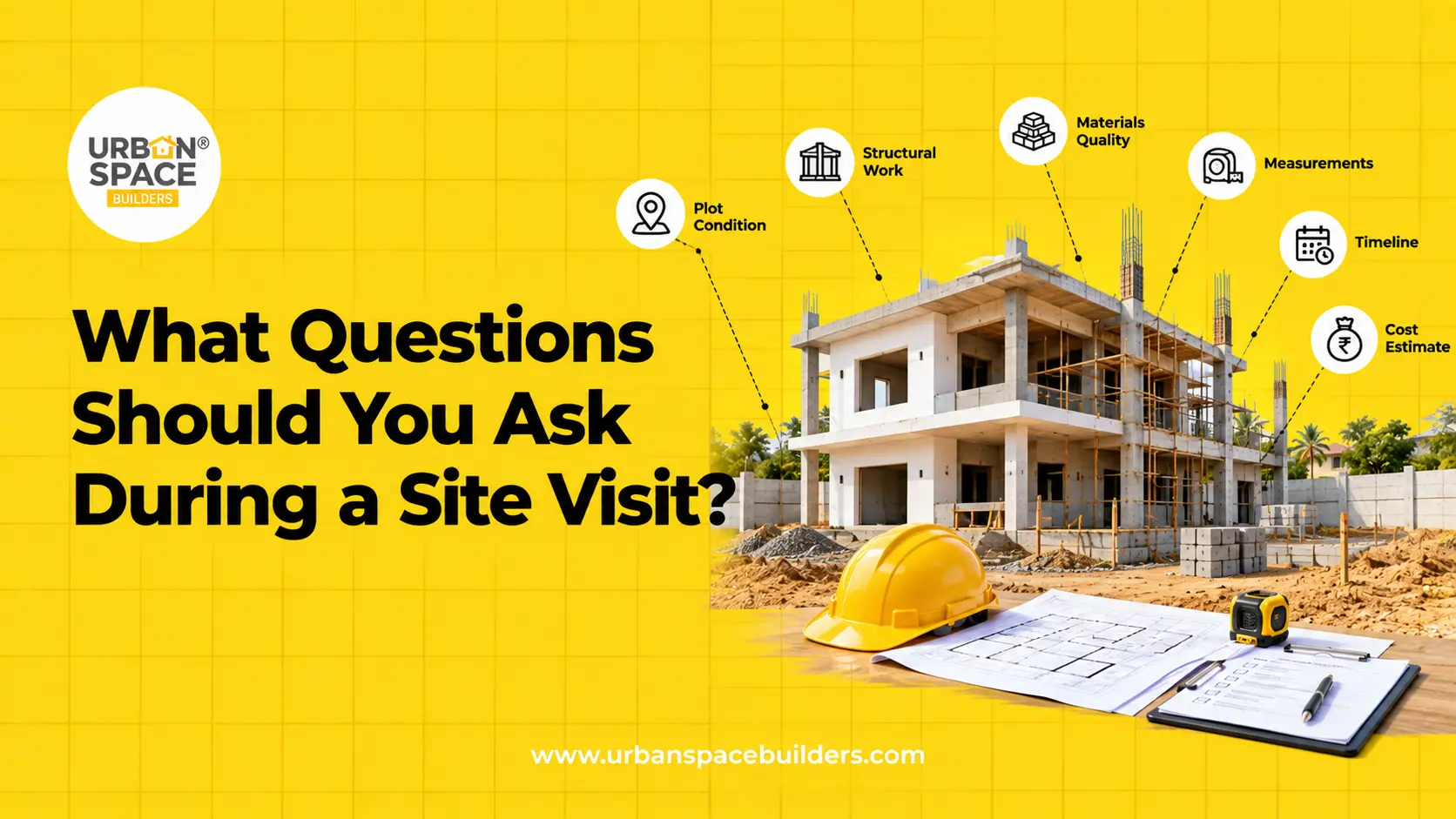
What Questions Should You Ask During a Site Visit? A construction site visit gives you much more information than a brochure, quotation …
What Questions Should You Ask During a Site Visit? A construction site visit gives you much more information than a brochure, quotation …
What Questions Should You Ask During a Site Visit? A construction site visit gives you much more information than a brochure, quotation …
How Staircase Design Affects Space and Comfort in a Home A staircase may occupy only one part of a house, but its …