
What Questions Should You Ask During a Site Visit? A …
Waterproofing Tips for Homes in High Rainfall Areas
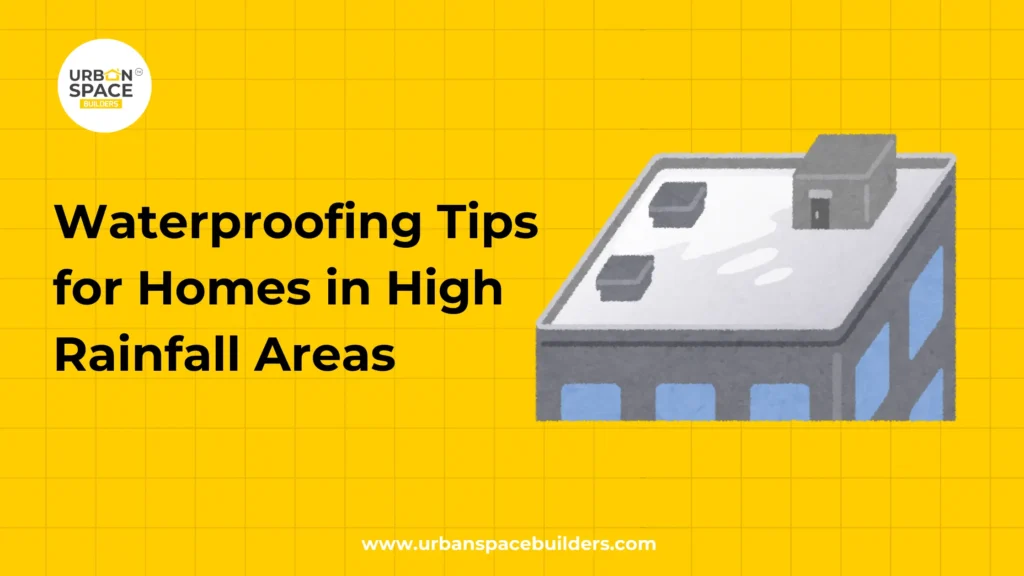
Heavy rain can expose even small construction defects. Tiny cracks, poor terrace slopes, blocked drainage lines or weak waterproofing around bathrooms can slowly lead to damp walls, peeling paint and water leakage.
That is why Home Waterproofing in High Rainfall Areas should be planned as part of the complete house construction process.
For homes in Chennai, waterproofing deserves special attention because seasonal rainfall can place extra pressure on roofs, terraces, external walls and drainage systems. Urban Space Builders focuses on proper planning, construction quality and site supervision to help homeowners build durable residential spaces.
Here are the most important waterproofing tips homeowners should understand before building or renovating a house.
What Is Home Waterproofing in High Rainfall Areas?
Home waterproofing is the process of protecting parts of a building from unwanted water and moisture.
It may include waterproof coatings, membranes, sealants, damp-proof layers, proper concrete work and drainage planning.
Waterproofing is commonly required in:
- Foundations
- Terraces and roofs
- Bathrooms
- Balconies
- Kitchens and utility areas
- External walls
- Water tanks
- Basements
- Areas around doors and windows
The goal is not simply to stop visible leaks. Good waterproofing prevents water from entering the building structure in the first place.
Why Is Waterproofing Important for Homes in Rainy Areas?
Rainwater can enter a building through small cracks, joints, unfinished surfaces and poorly designed drainage points.
Over time, moisture can cause damp patches, wall stains, damaged paint and deterioration of finishes. Repairing these problems after completing the house may also require removing tiles, plaster or other finished surfaces.
Planning waterproofing during construction gives the engineer better control over the areas that require protection.
It can help homeowners achieve:
- Better moisture protection
- Fewer leakage-related repairs
- Longer-lasting finishes
- Better indoor comfort
- Improved durability
- Easier property maintenance
- Better protection during monsoon seasons
What Are the Most Important Waterproofing Areas in a House?
1. Protect the Foundation from Ground Moisture
Waterproofing should begin close to the foundation level.
Ground moisture can move into walls and floor areas when proper damp-proofing and drainage measures are missing. Below-ground structures should therefore be evaluated based on soil conditions, groundwater and site drainage.
Good site planning should direct rainwater away from the foundation instead of allowing water to collect around the building.
2. Waterproof the Terrace Properly
Terraces receive direct exposure to rain and sunlight, making them one of the most important areas for residential waterproofing.
The terrace should have a proper slope towards drainage outlets. Low areas where water remains after rain can increase the chance of leakage.
Depending on the construction design, suitable waterproofing coatings or membrane systems can be applied before the final terrace finish.
3. Plan Roof Drainage Before Construction
Waterproofing alone cannot solve poor drainage. Rainwater should move quickly from the roof towards properly sized outlets and rainwater pipes.
During construction, check:
- Terrace slope
- Number and position of rainwater outlets
- Drainpipe connections
- Water flow direction
- Possible water collection points
Good drainage reduces the amount of time water remains on the roof surface.
4. Waterproof Bathrooms and Other Wet Areas
- Bathrooms regularly face water exposure even when it is not raining.
- Waterproofing should normally be completed before laying the final floor and wall tiles in important wet zones.
- Special attention should be given around floor traps, plumbing pipe openings, shower areas and wall-to-floor joints.
- The Bureau of Indian Standards publishes specific recommendations for waterproofing and damp-proofing wet areas in buildings under IS 13182:2020.
5. Protect External Walls from Rain
- External walls receive direct exposure during heavy rain, especially when wind pushes rainwater against the building.
- Wall protection begins with good plastering, proper crack treatment and suitable exterior finishing.
- Openings around windows, sunshades, pipes and external fixtures should also be properly sealed.
- Applying exterior waterproof coatings without first repairing cracks may only hide the problem temporarily.
6. Seal Concrete Cracks Early
Small cracks should not be ignored. Before applying a waterproofing system, the engineer should inspect the surface and identify cracks, construction joints and weak areas.
The right repair method depends on the type and cause of the crack. Simply covering every crack with paint is not a complete waterproofing solution.
7. Use Suitable Waterproofing Materials
There is no single waterproofing material that is ideal for every part of a house.
Different locations may require different solutions, such as:
- Cement-based waterproof coatings
- Waterproof membranes
- Liquid-applied systems
- Sealants
- Damp-proof layers
- Suitable waterproofing compounds
The material should be selected based on the surface, exposure to water and construction design.
How Is Waterproofing Done During House Construction?
A practical waterproofing process generally follows these steps:
- Inspect the site and design
Identify areas exposed to rainwater, groundwater and regular moisture. - Plan drainage
Decide terrace slopes, drainage outlets and rainwater pipe locations. - Prepare the surface
Remove loose materials and repair cracks or uneven sections. - Treat important joints
Pay special attention to pipe openings, wall-floor junctions and construction joints. - Apply the waterproofing system
Use the system specified for that particular area. - Allow proper curing or drying
Follow the material and engineering requirements before continuing other work. - Test the treated area
Wet areas and terraces should be checked for possible leakage before final finishes are completed. - Inspect during handover
Review terraces, bathrooms, external walls and drainage points before project completion.
When Should Waterproofing Be Done?
Waterproofing should not be treated as one separate activity at the end of construction.
It happens at different stages.
Foundation waterproofing is handled during foundation work. Bathroom waterproofing happens before the final tiling. Terrace waterproofing is completed before the final terrace finish. External wall protection is coordinated with plastering and painting.
The exact time required depends on the selected waterproofing system, surface condition, weather, curing requirements and size of the area.
Rushing the process can reduce the effectiveness of the treatment.
Read More: Most Popular Home Designs Chosen by Chennai Homeowners
What Factors Affect Home Waterproofing Cost?
Waterproofing cost depends on several project-specific factors, including:
- Total area requiring treatment
- New construction or renovation
- Type of waterproofing system
- Surface condition
- Existing cracks or leakage
- Terrace size
- Number of bathrooms
- Basement or below-ground construction
- External wall area
- Material specifications
- Labour requirements
- Accessibility of the treatment area
For a new home, waterproofing requirements should be included while preparing the overall construction estimate instead of treating them as unexpected expenses later.
Waterproofing Areas and Their Main Risks
Different parts of a house face different types of water-related problems. Each area should be protected based on how it is exposed to rain or moisture.
- Terrace: Standing rainwater and surface cracks can increase the risk of leakage. Proper terrace slope, drainage and waterproofing help move rainwater away safely.
- Bathroom: Regular water exposure can allow moisture to enter floors and walls. Wet-area waterproofing should be completed before the final tiles are installed.
- External Walls: Heavy rain can enter through cracks, gaps and weak exterior finishes. Crack treatment and suitable exterior protection help reduce wall seepage.
- Foundation: Moisture from the ground can affect lower walls and floors. Damp-proofing and proper site drainage help protect these areas.
- Balcony: Poor slope can cause rainwater to collect near walls and doors. Correct slope, drainage outlets and properly sealed joints are important.
- Windows: Water can enter through gaps around window frames during wind-driven rain. Proper sealing and careful detailing around the frame help prevent leakage.

Best Waterproofing Practices for Chennai Homes
For homes in Chennai, homeowners should plan waterproofing before the rainy season rather than waiting for leakage.
Good practices include:
- Keep terrace drains clean.
- Check rainwater pipes regularly.
- Repair visible cracks early.
- Avoid allowing water to stand on terraces.
- Inspect external wall joints.
- Check waterproofing before installing final finishes.
- Use appropriate materials instead of choosing only by price.
- Make site inspection part of the construction process.
- Inspect old waterproofing systems periodically.
Tamil Nadu receives an important share of its seasonal rainfall during the Northeast Monsoon period, so preparing drainage and exposed building surfaces before this season is especially useful.
Common Waterproofing Mistakes to Avoid
- Choosing Waterproofing Only After a Leak Appears
- Why it is a problem: Repair becomes more difficult after tiles, plaster or paint are completed.
- Solution: Include waterproofing in the construction plan from the beginning.
- Ignoring Terrace Slope
- Why it is a problem: Water can collect in low areas.
- Solution: Check the finished slope and drainage flow before final approval.
- Applying Coating Over Existing Cracks
- Why it is a problem: The original crack may continue to move or allow moisture entry.
- Solution: Identify and repair the cause before applying the waterproofing system.
- Ignoring Pipe Openings and Joints
- Why it is a problem: Water frequently enters through small gaps around penetrations.
- Solution: Inspect and seal these areas carefully.
- Using the Same Product Everywhere
- Why it is a problem: A terrace, bathroom and foundation face different moisture conditions.
- Solution: Select the waterproofing method according to the location and engineering requirement.
Conclusion
Home Waterproofing in High Rainfall Areas is most effective when it is planned before construction problems appear. Proper terrace slopes, drainage systems, crack treatment, wet-area waterproofing, external wall protection and regular quality checks can help create a more durable home.
For homeowners planning residential home construction in Chennai, Urban Space Builders can support the project through architectural and structural planning, residential construction, project management, construction cost estimation and site supervision.
Planning your new home? Discuss waterproofing, drainage and other construction requirements during the early design stage so they can be included in the project from the beginning.
Also Check: The Impact of Poor Planning on Building Structural Stability
Recent Posts
What Questions Should You Ask During a Site Visit? A …
Let's Build Your Dream Home Now!

What Questions Should You Ask During a Site Visit? A construction site visit gives you much more information than a brochure, quotation …

What Questions Should You Ask During a Site Visit? A construction site visit gives you much more information than a brochure, quotation …

What Questions Should You Ask During a Site Visit? A construction site visit gives you much more information than a brochure, quotation …
How Staircase Design Affects Space and Comfort in a Home A staircase may occupy only one part of a house, but its …
Frequently Asked Questions
1. Which areas of a house need waterproofing most?
Terraces, bathrooms, balconies, foundations, basements, utility areas and external walls commonly require waterproofing or moisture protection.
2. Can waterproofing completely stop every future leak?
Proper waterproofing can greatly reduce moisture problems, but construction quality, drainage, maintenance, cracks and later modifications also affect building performance.
3. When should terrace waterproofing be inspected?
Inspect the terrace before the monsoon and whenever you notice standing water, cracks, damaged finishes or damp patches below the roof.
4. Does exterior paint provide enough waterproofing?
Exterior coatings can provide surface protection, but paint alone cannot correct structural cracks, poor drainage or defective joints. These problems should be repaired first.
5. Should waterproofing be included in the construction budget?
Yes. Waterproofing requirements should be identified during planning so homeowners can account for materials, labour, surface preparation and testing in the overall construction budget.