Author name: admin

Construction Mistakes That Can Reduce Property Value
Uncategorized

Construction Mistakes That Can Reduce Property Value

Construction Mistakes That Can Reduce Property Value Building a home is one of the most important financial decisions you will make. While most homeowners focus on design, interiors, and aesthetics, they often overlook small construction mistakes that can significantly reduce property value in the future. A house is not just a place to live. It is a long-term investment. Poor construction quality, weak planning, or neglecting essential features can affect durability, safety, energy efficiency, and resale value. Buyers today are more informed and prefer homes that are structurally sound, functional, and easy to maintain. If you are planning to build your dream home, understanding these mistakes can save you from expensive repairs and help you preserve your property’s market value for years to come. 1. Ignoring Soil Testing Before Construction One of the biggest mistakes homeowners make is skipping soil testing before starting construction. The strength of a house depends heavily on the soil beneath it. If the soil is weak or unsuitable, the foundation may develop cracks, uneven settlement, or structural instability over time. A poor foundation not only creates safety concerns but also lowers the resale value of the property because buyers are cautious about structural issues. Professional builders always conduct proper soil analysis and design the foundation accordingly to ensure long-term stability and durability. Foundation problems are among the most common reasons buyers reduce their offers or avoid purchasing a property altogether. 2. Choosing Cheap Construction Materials Trying to save money by purchasing low-quality materials can become very expensive later. Using inferior cement, steel, plumbing pipes, electrical wires, tiles, or waterproofing materials may lead to: Wall cracks Water leakage Corrosion Electrical hazards Frequent maintenance expenses Buyers inspect the overall quality of a home before making a purchase. If the house shows signs of poor workmanship or material failure, it directly impacts property value. Investing in premium construction materials increases durability and enhances buyer confidence. 3. Poor Space Planning and House Layout A beautiful house with an impractical layout can reduce buyer interest significantly. Common layout mistakes include: Small bedrooms Narrow staircases Poor ventilation Insufficient storage space Dark interiors Awkward room placements Modern homeowners prefer spacious, functional homes with open layouts and natural lighting. Eliminating bedrooms, reducing bathrooms, or removing essential storage areas can lower the usability and market appeal of a home. Experts note that reducing functional spaces often decreases property value because buyers prioritize practicality over personalization. 4. Neglecting Waterproofing Water seepage is one of the most feared problems in residential construction. Many homeowners ignore proper waterproofing during construction to save costs. However, this mistake can lead to: Damp walls Mold growth Ceiling leakage Paint damage Structural weakening Water damage affects both aesthetics and structural integrity. Potential buyers often consider seepage as a red flag because repairs are expensive and recurring. Proper waterproofing of terraces, bathrooms, basements, and external walls protects your home and preserves its value. 5. Poor Electrical and Plumbing Planning Electrical and plumbing systems are hidden inside the walls, making repairs difficult after construction. Some common mistakes include: Insufficient electrical points Improper pipe sizing Poor drainage slope Low-quality fittings Unsafe wiring These issues can cause inconvenience, safety hazards, and frequent maintenance. A home with well-planned utilities is always more attractive to buyers because it reduces future repair expenses and improves living comfort. 6. Ignoring Natural Light and Ventilation Natural lighting and ventilation play a major role in the comfort and value of a home. Poor ventilation can cause: Higher electricity bills Excess humidity Poor indoor air quality Dark and uncomfortable living spaces Homes with ample sunlight and airflow feel larger, healthier, and more inviting. Modern buyers actively look for homes with energy-efficient designs, larger windows, and proper cross ventilation because these features improve living quality and reduce long-term costs. 7. Poor Exterior Appearance First impressions matter. Even if the interiors are excellent, a neglected exterior can reduce buyer interest instantly. Common exterior mistakes include: Poor landscaping Cracked pathways Peeling paint Broken lighting Untidy gardens Damaged boundary walls Studies show that curb appeal significantly influences property value and buyer perception. Well-maintained exteriors create trust and improve the overall attractiveness of a property. Investing in exterior aesthetics is not an expense. It is an investment that improves resale value. 8. Over Personalizing the Home Many homeowners design their homes entirely based on personal preferences without considering future resale value. Examples include: Extremely bold colors Themed rooms Unusual layouts Excessive luxury features Highly customized interiors While these choices may suit your lifestyle, they may not appeal to a broader audience. Real estate experts advise maintaining a balance between personalization and universal appeal. Overly customized homes often attract fewer buyers and may sell at lower prices. 9. Ignoring Energy Efficiency Energy efficiency has become a major factor influencing property value. Homes that consume excessive electricity are less attractive to buyers. Common mistakes include: Poor insulation Low-quality windows Inefficient lighting Lack of solar readiness Improper ventilation Energy-efficient homes provide: Lower utility bills Better indoor comfort Reduced environmental impact Higher resale value Planning energy-saving features during construction is far easier and cheaper than upgrading later. 10. Hiring Inexperienced Builders Selecting the wrong builder can lead to numerous construction issues. An inexperienced contractor may compromise on: Material quality Construction standards Project management Structural safety Finishing quality Poor workmanship is one of the leading reasons homes lose value. Uneven floors, crooked walls, and poorly installed doors or windows create a negative impression and raise concerns about hidden defects. Choosing experienced professionals ensures that your investment is protected from costly mistakes. If you are looking for trusted experts, explore the services offered by Urban Space Builders and learn how experienced professionals can help you build a high-quality home. How to Protect Your Property Value During Construction To ensure your home retains and increases its value: Conduct soil testing before construction. Choose premium quality materials. Invest in proper waterproofing. Plan spacious and functional layouts. Prioritize natural lighting and ventilation. Use energy-efficient designs. Maintain attractive exteriors. Avoid excessive customization. Hire experienced and reliable

Why Every Successful Construction Project Starts With Planning
Uncategorized

Why Every Successful Construction Project Starts With Planning

Why Every Successful Construction Project Starts With Planning Building your dream home is one of the biggest investments of your life. Yet, many homeowners focus only on the final design and overlook the most important phase of the journey, which is construction planning. A successful construction project does not begin with excavation or brickwork. It starts with a detailed plan that defines the budget, timeline, design, materials, approvals, and execution strategy. Proper planning helps homeowners avoid costly mistakes, delays, and unnecessary stress while ensuring the project is completed on time and within budget. Studies and industry experts consistently highlight that early planning significantly reduces risks and improves project outcomes. If you are planning to build your dream home, understanding why planning matters can save you time, money, and frustration. At Urban Space Builders, we help homeowners plan and build their dream homes with confidence. What is Construction Planning? Construction planning is the process of organizing every stage of a building project before the actual construction starts. It includes: Defining project goals Setting a realistic budget Creating architectural and structural designs Obtaining legal approvals Estimating material requirements Scheduling construction activities Managing risks and contingencies A proper construction plan acts as a roadmap that guides the entire project from concept to completion. It helps builders and homeowners align expectations and avoid confusion during execution. 1. Planning Helps Define a Realistic Budget One of the most common reasons for construction delays is poor financial planning. Many homeowners underestimate costs related to: Foundation work Structural materials Interior finishes Electrical and plumbing systems Waterproofing Government approvals Unexpected site conditions A detailed construction budget allows you to allocate funds properly and prepare for unforeseen expenses. Planning also enables you to compare different materials and design options before construction begins. Without a budget plan, small changes during construction can quickly become expensive and affect the overall project timeline. 2. Proper Planning Saves Time Every successful residential construction project follows a structured timeline. Planning helps determine: When excavation should begin Material delivery schedules Labour allocation Plumbing and electrical installation timelines Interior finishing schedules Final inspection dates Without a timeline, projects often face delays due to material shortages, design changes, or coordination issues. Industry reports show that construction planning creates a clear sequence of tasks and improves project efficiency by reducing idle time and unexpected interruptions. 3. Better Design Decisions Lead to Better Living A home should not only look beautiful but also support your lifestyle. Planning gives homeowners time to think about: Number of bedrooms Natural lighting Ventilation Parking space Future family needs Home office spaces Smart home features Energy efficiency Good planning ensures the house remains functional for years. Before construction begins, discussing your requirements with experienced professionals helps create a design that balances aesthetics and practicality. If you are planning your dream home, explore the residential construction solutions offered by Urban Space Builders. Their team focuses on designing homes that combine style, comfort, and long term value. 4. Structural Planning Ensures Safety A beautiful home is meaningless without a strong structure. Structural planning determines: Foundation type Load-bearing capacity Beam and column sizes Soil suitability Earthquake resistance Overall building stability Skipping structural analysis can lead to serious issues such as cracks, settlement problems, or long term safety concerns. Experts recommend conducting site investigations and structural design reviews before starting construction to ensure safety and compliance with regulations. You can learn more about this topic here: Importance of Structural Engineering in Home Construction Understanding structural engineering before construction can save homeowners from expensive repairs in the future. 5. Planning Helps Obtain Legal Approvals Faster Construction projects require multiple approvals before work begins. Some important approvals include: Building plan approval Land verification CMDA approvals Utility permissions Completion certificates Failing to secure proper approvals can result in legal complications and construction delays. The approval process is easier when architectural drawings, structural plans, and legal documents are prepared in advance. Homeowners should verify all permissions before construction starts to ensure smooth project execution. 6. Planning Improves Material Management Material costs represent a major portion of any construction budget. A good construction plan helps estimate: Cement quantity Steel requirements Brick and block count Tiles and flooring materials Paint and finishing products Waterproofing materials This prevents: Material shortages Overordering Storage problems Price fluctuations affecting budgets Planning also gives homeowners enough time to select high quality materials instead of making rushed decisions. 7. Waterproofing Must Be Planned Early Many homeowners think waterproofing is only required after construction. In reality, waterproofing should be planned during: Foundation work Basement construction Terrace slab installation Bathroom construction External wall finishing Early waterproofing protects the home from: Water seepage Damp walls Mold growth Structural damage Expensive maintenance costs For homes located in areas with heavy rainfall, waterproofing becomes even more important. You can read these expert waterproofing tips: Waterproofing Tips for Homes in High Rainfall Areas Planning waterproofing early increases the lifespan of the building and reduces maintenance expenses. 8. Planning Reduces Construction Risks Construction projects involve several risks: Weather delays Labour shortages Material price increases Design changes Site issues Approval delays A detailed construction plan identifies these risks early and prepares solutions before they affect the project. Risk management strategies may include: Emergency budget reserves Alternative suppliers Flexible scheduling Quality inspections Regular project reviews Planning does not eliminate risks completely, but it significantly reduces their impact on the project. 9. Planning Helps Maintain Quality Quality construction is not accidental. It requires: Standard operating procedures Material quality checks Engineering supervision Stage-wise inspections Proper documentation When quality standards are established before construction begins, builders can maintain consistency throughout the project. Construction experts emphasize that quality assurance should be integrated into the planning stage rather than being treated as an afterthought. Why Choose Urban Space Builders for Your Construction Project? Planning is the foundation of every successful construction project, and choosing the right construction partner makes all the difference. At Urban Space Builders, every project starts with: Detailed project consultation Transparent cost estimation Customized home designs Structural engineering expertise Quality

Construction Challenges in Urban Areas and Their Solutions
Uncategorized

Construction Challenges in Urban Areas and Their Solutions

Construction Challenges in Urban Areas and Their Solutions Urban areas are growing rapidly, and with this growth comes an increasing demand for residential and commercial buildings. However, construction in cities is not as straightforward as building in suburban or rural locations. Limited land availability, traffic congestion, strict regulations, and environmental concerns make urban construction one of the most challenging sectors in the industry. For homeowners and builders, understanding these challenges and adopting the right solutions can make projects smoother, more cost effective, and future ready. This is why choosing an experienced construction company is crucial for successful urban home construction. At Urban Space Builders, we specialize in designing and building homes that overcome urban construction challenges while maintaining quality, safety, and aesthetics. Why Urban Construction is More Challenging Cities are densely populated and have limited open spaces. Every construction project must consider nearby buildings, road access, utilities, environmental regulations, and the comfort of neighboring residents. Urban construction projects often require: Careful planning Efficient use of space Strong structural design Sustainable building practices Advanced project management The combination of these factors makes urban construction significantly more complex than conventional construction projects. 1. Limited Land Availability One of the biggest construction challenges in urban areas is the shortage of land. Plots are often smaller, irregularly shaped, and surrounded by existing structures. Solution Builders must maximize every square foot through: Smart floor planning Vertical construction Open floor layouts Multi functional spaces Terrace and rooftop utilization Modern homes are increasingly designed to make efficient use of smaller plots without compromising comfort or aesthetics. If you own a compact plot, explore these smart design ideas at: Best House Designs for Small Plots in Urban Areas Innovative layouts and vertical designs help homeowners create spacious and functional homes even in densely populated areas. 2. Traffic and Site Accessibility Issues Urban construction sites often face restricted access due to: Narrow roads Heavy traffic Limited parking space Nearby residential buildings Restrictions on heavy vehicles Transporting materials and equipment can become a logistical challenge and may increase project timelines. Solution Professional builders solve these issues by: Scheduling deliveries during off peak hours Using compact machinery Planning storage efficiently Coordinating with local authorities Implementing digital logistics planning Efficient construction logistics reduce delays and improve productivity, especially in dense city environments. 3. Strict Building Regulations Urban construction must comply with multiple regulations related to: Building permits Floor Space Index Setback requirements Height restrictions Fire safety standards Environmental regulations Failure to comply can lead to penalties, project delays, or redesign costs. Solution Working with experienced builders and engineers ensures: Proper approvals Regulatory compliance Accurate documentation Timely inspections Legal and safe construction practices Experienced construction teams understand local building norms and help homeowners avoid costly mistakes. 5. Understand Hidden Construction Costs Urban construction must comply with multiple regulations related to: Building permits Floor Space Index Setback requirements Height restrictions Fire safety standards Environmental regulations Failure to comply can lead to penalties, project delays, or redesign costs. Solution Working with experienced builders and engineers ensures: Proper approvals Regulatory compliance Accurate documentation Timely inspections Legal and safe construction practices Experienced construction teams understand local building norms and help homeowners avoid costly mistakes. 4. Structural Safety Challenges Urban homes are often built close to neighboring structures. Excavation, foundation work, and multi storey construction require extra care to ensure structural stability. Factors such as: Soil conditions Groundwater levels Wind loads Seismic zones Adjacent buildings must be considered during design and execution. Solution The answer lies in strong structural engineering. A qualified structural engineer helps: Design safe foundations Improve load distribution Minimize structural risks Increase building lifespan Ensure earthquake resistance Learn more about why structural engineering is essential: Importance of Structural Engineering in Home Construction Structural engineering plays a vital role in urban construction because buildings must withstand environmental forces while coexisting safely with surrounding infrastructure. 5. Noise and Environmental Concerns Construction activities in urban areas can create: Noise pollution Dust pollution Traffic disruption Waste generation Air quality issues Residents living nearby often expect builders to minimize these disturbances. Solution Modern construction companies adopt eco friendly practices such as: Dust suppression systems Noise reduction equipment Waste recycling Water conservation methods Energy efficient construction techniques Sustainable construction practices improve community relationships and reduce environmental impact. Cities are increasingly focusing on environmentally responsible construction methods and green building standards. 6. Rising Construction Costs Urban construction costs are generally higher because of: Expensive land prices Higher labor charges Transportation costs Regulatory expenses Premium building materials Budget overruns are a common concern for homeowners. Solution The best way to control costs is through: Detailed project planning Accurate cost estimation Fixed budget packages Efficient procurement Transparent project management Professional builders use advanced planning techniques to reduce unnecessary expenses and complete projects within budget. 7. Managing Space Efficiently Many urban homeowners dream of spacious homes, but city plots often come with size limitations. Without proper planning, homes can become: Congested Poorly ventilated Dark and cramped Difficult to maintain Solution Modern urban homes focus on: Natural lighting Cross ventilation Open kitchens Multi purpose rooms Minimalistic interiors Space saving storage Thoughtful planning transforms compact homes into elegant and comfortable living spaces. Small plot homes with smart layouts are becoming increasingly popular because they combine functionality with modern aesthetics. 8. Adapting to Future Urban Needs Urban lifestyles are evolving rapidly. Homeowners now expect: Smart home features Electric vehicle charging Solar power integration Home offices Energy efficient systems Sustainable materials Buildings that fail to adapt may become outdated quickly. Solution Future ready homes should include: Smart automation systems Flexible room layouts Energy efficient appliances Rainwater harvesting Solar panels Green building materials Sustainable and resilient urban homes improve long term value while reducing operating costs. Urban design experts emphasize resilience and sustainability as key priorities for future cities. Why Choosing the Right Builder Matters Urban construction requires expertise that goes beyond traditional building methods. An experienced builder understands: Urban regulations Structural engineering Small plot planning Cost management Construction logistics Sustainable building practices Choosing the right construction partner ensures

How to Avoid Unexpected Expenses During Construction
Uncategorized

How to Avoid Unexpected Expenses During Construction

How Good Construction Increases Property Value Buying or building a house is one of the biggest investments most people make. While location plays a major role in determining a property’s worth, the quality of construction significantly impacts how much that property appreciates over time. A well-constructed home not only provides safety and comfort but also commands a higher resale value and attracts potential buyers faster. Many homeowners focus on aesthetics such as interiors, paint colors, and décor. However, experienced buyers and real estate investors often evaluate the structural quality, foundation strength, waterproofing systems, and construction materials before making a purchase decision. Homes built with superior construction practices tend to require less maintenance, last longer, and deliver better returns on investment. At Urban Space Builders, we believe that quality construction is the foundation of long-term property appreciation. Why Construction Quality Matters for Property Value The construction quality of a building directly influences its durability, maintenance costs, safety, and overall lifespan. A strong foundation, quality materials, and proper waterproofing help prevent structural issues that can reduce property value over time. Studies and construction experts consistently highlight that the “bones” of a house—including its foundation, roof, structural framework, and moisture protection systems—have a major impact on long-term value and maintenance costs. When buyers inspect a property, they often ask: Is the structure durable? Are there cracks in the walls? Is there water leakage? How old is the construction? What materials were used? A home built with quality construction standards can confidently answer these questions. 1. Strong Foundations Create Long-Term Value Every great building starts with a strong foundation. The foundation supports the entire structure and prevents issues such as settlement, cracks, and structural instability. Poor foundation work can lead to: Wall cracks Uneven flooring Water seepage Structural movement Expensive repairs Foundation problems are among the most serious issues that reduce a property’s market value. Construction experts emphasize that soil conditions, drainage, and proper reinforcement play critical roles in maintaining structural integrity. To understand foundation construction in detail, read: What Is Foundation Work? Types and Importance Explained 2. High-Quality Building Materials Improve Resale Value The materials used during construction significantly affect a home’s lifespan and market appeal. Quality materials offer: Better durability Lower maintenance costs Improved structural strength Enhanced appearance Longer life expectancy Premium construction materials such as high-grade cement, steel reinforcement, quality bricks, and durable roofing systems help properties retain their value for decades. Buyers are willing to pay more for homes that require fewer repairs and offer long-term reliability. 3. Proper Waterproofing Protects Property Value Water damage is one of the biggest reasons properties lose value. Without proper waterproofing, homeowners may face: Roof leakage Wall dampness Mold growth Paint peeling Structural deterioration Waterproofing is considered a fundamental component of building protection because moisture intrusion can compromise structural integrity and increase maintenance costs. Homes with professional waterproofing systems maintain their appearance and structural health for many years. Learn more here: Waterproofing Tips for Homes in High Rainfall Areas 4. Better Construction Means Lower Maintenance Costs Potential buyers calculate not only the purchase price but also future maintenance expenses. A poorly built home may require: Frequent painting Plumbing repairs Electrical repairs Waterproofing corrections Structural repairs In contrast, a well-built property minimizes unexpected costs. Lower maintenance expenses increase buyer confidence and make the property more attractive in the market. 5. Energy-Efficient Homes Attract Modern Buyers Today’s homebuyers increasingly prioritize energy efficiency. Features such as: Proper insulation Natural ventilation Energy-efficient windows Smart lighting systems Sustainable building materials can improve both comfort and long-term savings. High-performance buildings are known to reduce energy consumption, improve indoor comfort, and lower operational costs, making them more attractive to buyers. As sustainability becomes a growing concern, energy-efficient homes often command higher market prices. 6. Better Structural Integrity Enhances Buyer Confidence Many homeowners focus on design and interiors while overlooking structural engineering. Structural engineering determines: Foundation strength Column sizes Beam dimensions Slab thickness Earthquake resistance Load-bearing capacity Proper structural design ensures safety and longevity while preventing costly repairs in the future. Learn more: Importance of Structural Engineering in Home Construction Structural design requirements significantly influence material quantities and overall construction costs, especially in areas requiring enhanced structural performance. 7. Professional Construction Improves Aesthetic Appeal Quality construction isn’t only about strength—it also impacts appearance. Professional builders ensure: Straight walls Smooth finishes Proper alignment Accurate measurements Premium craftsmanship A visually appealing property naturally attracts more buyers and improves perceived value. When construction quality and aesthetics work together, property appreciation becomes stronger over time. 8. Smart Space Planning Increases Market Demand A home built with superior workmanship can last for generations. Benefits include: Reduced repair costs Better structural performance Higher resale value Greater market demand Improved owner satisfaction The longer a building remains structurally sound, the more attractive it becomes to future buyers and investors. 9. Quality Construction Increases Property Lifespan Construction projects require several approvals before work begins. These may include: Building plan approval CMDA approval Corporation approvals Environmental clearances Utility connections Government fees and documentation charges should always be included in the project budget. Approval costs form an important part of overall construction expenditure. 10. Quality Construction Helps Properties Appreciate Faster Real estate appreciation is influenced by several factors, including location, infrastructure, and construction quality. Homes constructed with: Strong foundations Quality materials Professional engineering Effective waterproofing Energy-efficient systems often experience better long-term appreciation because buyers recognize their value and durability. A well-built property becomes a premium asset in the real estate market. How Urban Space Builders Ensures Maximum Property Value At Urban Space Builders, we focus on delivering homes that combine durability, functionality, and long-term value. Our approach includes: Strong foundation engineering Premium construction materials Quality control at every stage Advanced waterproofing solutions Efficient space planning Transparent construction processes Conclusion Good construction is one of the most powerful factors that influence property value. A home built with strong foundations, quality materials, professional workmanship, and proper waterproofing can deliver significant long-term returns. Whether you plan to live in the property or sell it

How to Future-Proof Your Home During Construction
Uncategorized

How to Future-Proof Your Home During Construction

How Good Construction Increases Property Value Buying or building a house is one of the biggest investments most people make. While location plays a major role in determining a property’s worth, the quality of construction significantly impacts how much that property appreciates over time. A well-constructed home not only provides safety and comfort but also commands a higher resale value and attracts potential buyers faster. Many homeowners focus on aesthetics such as interiors, paint colors, and décor. However, experienced buyers and real estate investors often evaluate the structural quality, foundation strength, waterproofing systems, and construction materials before making a purchase decision. Homes built with superior construction practices tend to require less maintenance, last longer, and deliver better returns on investment. At Urban Space Builders, we believe that quality construction is the foundation of long-term property appreciation. Why Construction Quality Matters for Property Value The construction quality of a building directly influences its durability, maintenance costs, safety, and overall lifespan. A strong foundation, quality materials, and proper waterproofing help prevent structural issues that can reduce property value over time. Studies and construction experts consistently highlight that the “bones” of a house—including its foundation, roof, structural framework, and moisture protection systems—have a major impact on long-term value and maintenance costs. When buyers inspect a property, they often ask: Is the structure durable? Are there cracks in the walls? Is there water leakage? How old is the construction? What materials were used? A home built with quality construction standards can confidently answer these questions. 1. Strong Foundations Create Long-Term Value Every great building starts with a strong foundation. The foundation supports the entire structure and prevents issues such as settlement, cracks, and structural instability. Poor foundation work can lead to: Wall cracks Uneven flooring Water seepage Structural movement Expensive repairs Foundation problems are among the most serious issues that reduce a property’s market value. Construction experts emphasize that soil conditions, drainage, and proper reinforcement play critical roles in maintaining structural integrity. To understand foundation construction in detail, read: What Is Foundation Work? Types and Importance Explained 2. High-Quality Building Materials Improve Resale Value The materials used during construction significantly affect a home’s lifespan and market appeal. Quality materials offer: Better durability Lower maintenance costs Improved structural strength Enhanced appearance Longer life expectancy Premium construction materials such as high-grade cement, steel reinforcement, quality bricks, and durable roofing systems help properties retain their value for decades. Buyers are willing to pay more for homes that require fewer repairs and offer long-term reliability. 3. Proper Waterproofing Protects Property Value Water damage is one of the biggest reasons properties lose value. Without proper waterproofing, homeowners may face: Roof leakage Wall dampness Mold growth Paint peeling Structural deterioration Waterproofing is considered a fundamental component of building protection because moisture intrusion can compromise structural integrity and increase maintenance costs. Homes with professional waterproofing systems maintain their appearance and structural health for many years. Learn more here: Waterproofing Tips for Homes in High Rainfall Areas 4. Better Construction Means Lower Maintenance Costs Potential buyers calculate not only the purchase price but also future maintenance expenses. A poorly built home may require: Frequent painting Plumbing repairs Electrical repairs Waterproofing corrections Structural repairs In contrast, a well-built property minimizes unexpected costs. Lower maintenance expenses increase buyer confidence and make the property more attractive in the market. 5. Energy-Efficient Homes Attract Modern Buyers Today’s homebuyers increasingly prioritize energy efficiency. Features such as: Proper insulation Natural ventilation Energy-efficient windows Smart lighting systems Sustainable building materials can improve both comfort and long-term savings. High-performance buildings are known to reduce energy consumption, improve indoor comfort, and lower operational costs, making them more attractive to buyers. As sustainability becomes a growing concern, energy-efficient homes often command higher market prices. 6. Better Structural Integrity Enhances Buyer Confidence Many homeowners focus on design and interiors while overlooking structural engineering. Structural engineering determines: Foundation strength Column sizes Beam dimensions Slab thickness Earthquake resistance Load-bearing capacity Proper structural design ensures safety and longevity while preventing costly repairs in the future. Learn more: Importance of Structural Engineering in Home Construction Structural design requirements significantly influence material quantities and overall construction costs, especially in areas requiring enhanced structural performance. 7. Professional Construction Improves Aesthetic Appeal Quality construction isn’t only about strength—it also impacts appearance. Professional builders ensure: Straight walls Smooth finishes Proper alignment Accurate measurements Premium craftsmanship A visually appealing property naturally attracts more buyers and improves perceived value. When construction quality and aesthetics work together, property appreciation becomes stronger over time. 8. Smart Space Planning Increases Market Demand A home built with superior workmanship can last for generations. Benefits include: Reduced repair costs Better structural performance Higher resale value Greater market demand Improved owner satisfaction The longer a building remains structurally sound, the more attractive it becomes to future buyers and investors. 9. Quality Construction Increases Property Lifespan Construction projects require several approvals before work begins. These may include: Building plan approval CMDA approval Corporation approvals Environmental clearances Utility connections Government fees and documentation charges should always be included in the project budget. Approval costs form an important part of overall construction expenditure. 10. Quality Construction Helps Properties Appreciate Faster Real estate appreciation is influenced by several factors, including location, infrastructure, and construction quality. Homes constructed with: Strong foundations Quality materials Professional engineering Effective waterproofing Energy-efficient systems often experience better long-term appreciation because buyers recognize their value and durability. A well-built property becomes a premium asset in the real estate market. How Urban Space Builders Ensures Maximum Property Value At Urban Space Builders, we focus on delivering homes that combine durability, functionality, and long-term value. Our approach includes: Strong foundation engineering Premium construction materials Quality control at every stage Advanced waterproofing solutions Efficient space planning Transparent construction processes Conclusion Good construction is one of the most powerful factors that influence property value. A home built with strong foundations, quality materials, professional workmanship, and proper waterproofing can deliver significant long-term returns. Whether you plan to live in the property or sell it

What Separates Great Builders from Average Builders
Uncategorized

What Separates Great Builders from Average Builders?

How Good Construction Increases Property Value Buying or building a house is one of the biggest investments most people make. While location plays a major role in determining a property’s worth, the quality of construction significantly impacts how much that property appreciates over time. A well-constructed home not only provides safety and comfort but also commands a higher resale value and attracts potential buyers faster. Many homeowners focus on aesthetics such as interiors, paint colors, and décor. However, experienced buyers and real estate investors often evaluate the structural quality, foundation strength, waterproofing systems, and construction materials before making a purchase decision. Homes built with superior construction practices tend to require less maintenance, last longer, and deliver better returns on investment. At Urban Space Builders, we believe that quality construction is the foundation of long-term property appreciation. Why Construction Quality Matters for Property Value The construction quality of a building directly influences its durability, maintenance costs, safety, and overall lifespan. A strong foundation, quality materials, and proper waterproofing help prevent structural issues that can reduce property value over time. Studies and construction experts consistently highlight that the “bones” of a house—including its foundation, roof, structural framework, and moisture protection systems—have a major impact on long-term value and maintenance costs. When buyers inspect a property, they often ask: Is the structure durable? Are there cracks in the walls? Is there water leakage? How old is the construction? What materials were used? A home built with quality construction standards can confidently answer these questions. 1. Strong Foundations Create Long-Term Value Every great building starts with a strong foundation. The foundation supports the entire structure and prevents issues such as settlement, cracks, and structural instability. Poor foundation work can lead to: Wall cracks Uneven flooring Water seepage Structural movement Expensive repairs Foundation problems are among the most serious issues that reduce a property’s market value. Construction experts emphasize that soil conditions, drainage, and proper reinforcement play critical roles in maintaining structural integrity. To understand foundation construction in detail, read: What Is Foundation Work? Types and Importance Explained 2. High-Quality Building Materials Improve Resale Value The materials used during construction significantly affect a home’s lifespan and market appeal. Quality materials offer: Better durability Lower maintenance costs Improved structural strength Enhanced appearance Longer life expectancy Premium construction materials such as high-grade cement, steel reinforcement, quality bricks, and durable roofing systems help properties retain their value for decades. Buyers are willing to pay more for homes that require fewer repairs and offer long-term reliability. 3. Proper Waterproofing Protects Property Value Water damage is one of the biggest reasons properties lose value. Without proper waterproofing, homeowners may face: Roof leakage Wall dampness Mold growth Paint peeling Structural deterioration Waterproofing is considered a fundamental component of building protection because moisture intrusion can compromise structural integrity and increase maintenance costs. Homes with professional waterproofing systems maintain their appearance and structural health for many years. Learn more here: Waterproofing Tips for Homes in High Rainfall Areas 4. Better Construction Means Lower Maintenance Costs Potential buyers calculate not only the purchase price but also future maintenance expenses. A poorly built home may require: Frequent painting Plumbing repairs Electrical repairs Waterproofing corrections Structural repairs In contrast, a well-built property minimizes unexpected costs. Lower maintenance expenses increase buyer confidence and make the property more attractive in the market. 5. Energy-Efficient Homes Attract Modern Buyers Today’s homebuyers increasingly prioritize energy efficiency. Features such as: Proper insulation Natural ventilation Energy-efficient windows Smart lighting systems Sustainable building materials can improve both comfort and long-term savings. High-performance buildings are known to reduce energy consumption, improve indoor comfort, and lower operational costs, making them more attractive to buyers. As sustainability becomes a growing concern, energy-efficient homes often command higher market prices. 6. Better Structural Integrity Enhances Buyer Confidence Many homeowners focus on design and interiors while overlooking structural engineering. Structural engineering determines: Foundation strength Column sizes Beam dimensions Slab thickness Earthquake resistance Load-bearing capacity Proper structural design ensures safety and longevity while preventing costly repairs in the future. Learn more: Importance of Structural Engineering in Home Construction Structural design requirements significantly influence material quantities and overall construction costs, especially in areas requiring enhanced structural performance. 7. Professional Construction Improves Aesthetic Appeal Quality construction isn’t only about strength—it also impacts appearance. Professional builders ensure: Straight walls Smooth finishes Proper alignment Accurate measurements Premium craftsmanship A visually appealing property naturally attracts more buyers and improves perceived value. When construction quality and aesthetics work together, property appreciation becomes stronger over time. 8. Smart Space Planning Increases Market Demand A home built with superior workmanship can last for generations. Benefits include: Reduced repair costs Better structural performance Higher resale value Greater market demand Improved owner satisfaction The longer a building remains structurally sound, the more attractive it becomes to future buyers and investors. 9. Quality Construction Increases Property Lifespan Construction projects require several approvals before work begins. These may include: Building plan approval CMDA approval Corporation approvals Environmental clearances Utility connections Government fees and documentation charges should always be included in the project budget. Approval costs form an important part of overall construction expenditure. 10. Quality Construction Helps Properties Appreciate Faster Real estate appreciation is influenced by several factors, including location, infrastructure, and construction quality. Homes constructed with: Strong foundations Quality materials Professional engineering Effective waterproofing Energy-efficient systems often experience better long-term appreciation because buyers recognize their value and durability. A well-built property becomes a premium asset in the real estate market. How Urban Space Builders Ensures Maximum Property Value At Urban Space Builders, we focus on delivering homes that combine durability, functionality, and long-term value. Our approach includes: Strong foundation engineering Premium construction materials Quality control at every stage Advanced waterproofing solutions Efficient space planning Transparent construction processes Conclusion Good construction is one of the most powerful factors that influence property value. A home built with strong foundations, quality materials, professional workmanship, and proper waterproofing can deliver significant long-term returns. Whether you plan to live in the property or sell it

How Good Construction Increases Property Value
Uncategorized

How Good Construction Increases Property Value

How Good Construction Increases Property Value Buying or building a house is one of the biggest investments most people make. While location plays a major role in determining a property’s worth, the quality of construction significantly impacts how much that property appreciates over time. A well-constructed home not only provides safety and comfort but also commands a higher resale value and attracts potential buyers faster. Many homeowners focus on aesthetics such as interiors, paint colors, and décor. However, experienced buyers and real estate investors often evaluate the structural quality, foundation strength, waterproofing systems, and construction materials before making a purchase decision. Homes built with superior construction practices tend to require less maintenance, last longer, and deliver better returns on investment. At Urban Space Builders, we believe that quality construction is the foundation of long-term property appreciation. Why Construction Quality Matters for Property Value The construction quality of a building directly influences its durability, maintenance costs, safety, and overall lifespan. A strong foundation, quality materials, and proper waterproofing help prevent structural issues that can reduce property value over time. Studies and construction experts consistently highlight that the “bones” of a house—including its foundation, roof, structural framework, and moisture protection systems—have a major impact on long-term value and maintenance costs. When buyers inspect a property, they often ask: Is the structure durable? Are there cracks in the walls? Is there water leakage? How old is the construction? What materials were used? A home built with quality construction standards can confidently answer these questions. 1. Strong Foundations Create Long-Term Value Every great building starts with a strong foundation. The foundation supports the entire structure and prevents issues such as settlement, cracks, and structural instability. Poor foundation work can lead to: Wall cracks Uneven flooring Water seepage Structural movement Expensive repairs Foundation problems are among the most serious issues that reduce a property’s market value. Construction experts emphasize that soil conditions, drainage, and proper reinforcement play critical roles in maintaining structural integrity. To understand foundation construction in detail, read: What Is Foundation Work? Types and Importance Explained 2. High-Quality Building Materials Improve Resale Value The materials used during construction significantly affect a home’s lifespan and market appeal. Quality materials offer: Better durability Lower maintenance costs Improved structural strength Enhanced appearance Longer life expectancy Premium construction materials such as high-grade cement, steel reinforcement, quality bricks, and durable roofing systems help properties retain their value for decades. Buyers are willing to pay more for homes that require fewer repairs and offer long-term reliability. 3. Proper Waterproofing Protects Property Value Water damage is one of the biggest reasons properties lose value. Without proper waterproofing, homeowners may face: Roof leakage Wall dampness Mold growth Paint peeling Structural deterioration Waterproofing is considered a fundamental component of building protection because moisture intrusion can compromise structural integrity and increase maintenance costs. Homes with professional waterproofing systems maintain their appearance and structural health for many years. Learn more here: Waterproofing Tips for Homes in High Rainfall Areas 4. Better Construction Means Lower Maintenance Costs Potential buyers calculate not only the purchase price but also future maintenance expenses. A poorly built home may require: Frequent painting Plumbing repairs Electrical repairs Waterproofing corrections Structural repairs In contrast, a well-built property minimizes unexpected costs. Lower maintenance expenses increase buyer confidence and make the property more attractive in the market. 5. Energy-Efficient Homes Attract Modern Buyers Today’s homebuyers increasingly prioritize energy efficiency. Features such as: Proper insulation Natural ventilation Energy-efficient windows Smart lighting systems Sustainable building materials can improve both comfort and long-term savings. High-performance buildings are known to reduce energy consumption, improve indoor comfort, and lower operational costs, making them more attractive to buyers. As sustainability becomes a growing concern, energy-efficient homes often command higher market prices. 6. Better Structural Integrity Enhances Buyer Confidence Many homeowners focus on design and interiors while overlooking structural engineering. Structural engineering determines: Foundation strength Column sizes Beam dimensions Slab thickness Earthquake resistance Load-bearing capacity Proper structural design ensures safety and longevity while preventing costly repairs in the future. Learn more: Importance of Structural Engineering in Home Construction Structural design requirements significantly influence material quantities and overall construction costs, especially in areas requiring enhanced structural performance. 7. Professional Construction Improves Aesthetic Appeal Quality construction isn’t only about strength—it also impacts appearance. Professional builders ensure: Straight walls Smooth finishes Proper alignment Accurate measurements Premium craftsmanship A visually appealing property naturally attracts more buyers and improves perceived value. When construction quality and aesthetics work together, property appreciation becomes stronger over time. 8. Smart Space Planning Increases Market Demand A home built with superior workmanship can last for generations. Benefits include: Reduced repair costs Better structural performance Higher resale value Greater market demand Improved owner satisfaction The longer a building remains structurally sound, the more attractive it becomes to future buyers and investors. 9. Quality Construction Increases Property Lifespan Construction projects require several approvals before work begins. These may include: Building plan approval CMDA approval Corporation approvals Environmental clearances Utility connections Government fees and documentation charges should always be included in the project budget. Approval costs form an important part of overall construction expenditure. 10. Quality Construction Helps Properties Appreciate Faster Real estate appreciation is influenced by several factors, including location, infrastructure, and construction quality. Homes constructed with: Strong foundations Quality materials Professional engineering Effective waterproofing Energy-efficient systems often experience better long-term appreciation because buyers recognize their value and durability. A well-built property becomes a premium asset in the real estate market. How Urban Space Builders Ensures Maximum Property Value At Urban Space Builders, we focus on delivering homes that combine durability, functionality, and long-term value. Our approach includes: Strong foundation engineering Premium construction materials Quality control at every stage Advanced waterproofing solutions Efficient space planning Transparent construction processes Conclusion Good construction is one of the most powerful factors that influence property value. A home built with strong foundations, quality materials, professional workmanship, and proper waterproofing can deliver significant long-term returns. Whether you plan to live in the property or sell it

Factors That Influence House Construction Costs
Uncategorized

Factors That Influence House Construction Costs

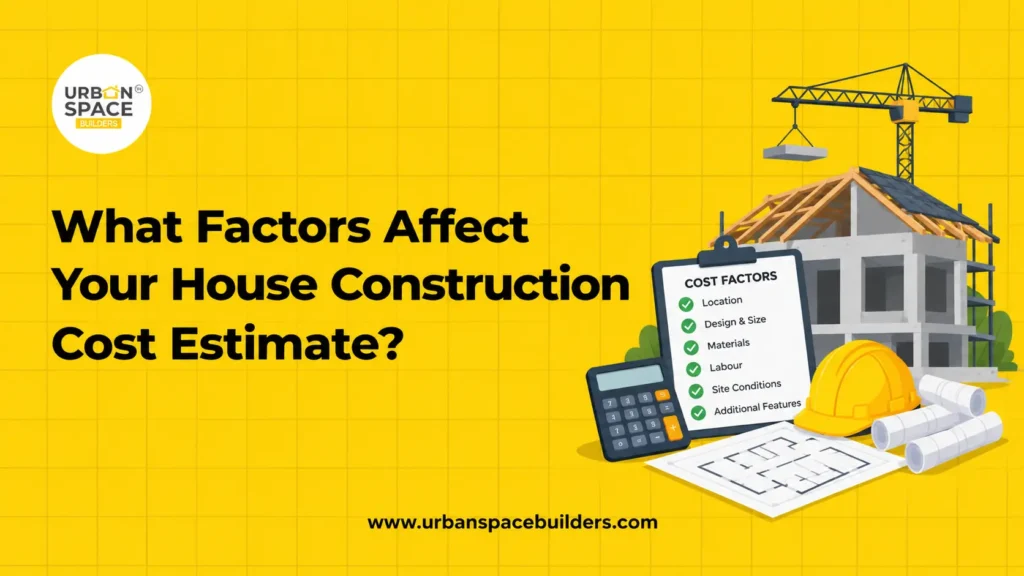
Factors That Influence House Construction Costs Building your dream home is an exciting journey, but one of the biggest concerns for homeowners is understanding the actual cost of construction. Many people assume that house construction costs depend only on the size of the house. In reality, several factors contribute to the overall budget, including material prices, labour charges, structural requirements, design complexity, site conditions, and government approvals. Understanding these factors can help you plan your budget effectively and avoid unexpected expenses during construction. At Urban Space Builders, we help homeowners make informed decisions through transparent planning and accurate cost estimation. Whether you are building a compact home or a luxury villa, knowing the factors that influence house construction costs is essential for successful project execution. Why Understanding Construction Costs Matters A well-planned budget prevents project delays, reduces financial stress, and ensures quality construction. Construction costs can fluctuate due to market conditions, material availability, labour demand, and design modifications. Proper planning allows homeowners to allocate resources wisely and avoid overspending. Material quality, labour charges, design complexity, location, and structural requirements are among the primary drivers of construction costs. Before starting your project, it is advisable to use a professional cost estimation tool such as Urban Space Builders’ Construction Calculator 1. Plot Location and Site Conditions The location of your plot significantly impacts the overall construction budget. Accessibility of the Site If your plot is located in a narrow street or a difficult-to-access area, transportation costs for materials and machinery may increase. Additional labour may also be required to move materials manually. Soil Quality Soil conditions determine foundation requirements. Weak soil may require deeper foundations, soil stabilization, or additional structural reinforcement, increasing costs. Local Construction Rates Construction costs vary depending on the locality. Labour charges, transportation expenses, and material availability differ from one area to another. Site conditions and location are major cost determinants in residential construction projects. 2. Size and Built-Up Area of the House One of the most obvious factors affecting construction costs is the total built-up area. A larger home requires: More cement More steel More bricks More labour More finishing materials However, larger homes often benefit from economies of scale, where the cost per square foot may decrease slightly compared to smaller homes. Overall project costs still increase with size. 3. House Design and Architectural Complexity The design of your house has a direct impact on construction costs. Simple Designs Cost Less Rectangular floor plans with standard layouts are generally more economical to build. Complex Designs Cost More Features such as: Curved walls Double-height living spaces Large cantilevers Custom elevations Multiple balconies Luxury facades require additional engineering, labour, and materials. If you’re planning a compact urban home, explore: Best House Designs for Small Plots in Urban Areas.  Complex architectural layouts and multi-level structures typically require additional materials and labour, increasing project costs. 4. Construction Material Costs Material costs account for a significant portion of total construction expenses. Major Materials Include Cement Steel Bricks Sand Concrete Tiles Doors Windows Plumbing materials Electrical components Material costs can represent up to 50-60% of the overall construction budget. Market fluctuations, inflation, and supply chain disruptions often affect prices. Premium vs Standard Materials Premium materials increase durability and aesthetics but come at a higher cost. Examples include: Imported tiles Designer lighting High-end sanitary fittings Premium wood finishes Smart home systems Choosing the right balance between quality and budget is essential. 5. Labour Charges Labour is another major component of construction costs. Skilled professionals involved include: Masons Carpenters Electricians Plumbers Painters Welders Site supervisors Labour charges vary based on: Experience level Demand in the market Project complexity Location Labour costs typically form a significant percentage of total house construction expenses and can increase during periods of high construction activity. 6. Structural Engineering Requirements Many homeowners focus on design and interiors while overlooking structural engineering. Structural engineering determines: Foundation strength Column sizes Beam dimensions Slab thickness Earthquake resistance Load-bearing capacity Proper structural design ensures safety and longevity while preventing costly repairs in the future. Learn more: Importance of Structural Engineering in Home Construction Structural design requirements significantly influence material quantities and overall construction costs, especially in areas requiring enhanced structural performance. 7. Number of Floors A multi-story house generally costs more than a single-story home. Additional costs include: Stronger foundations More reinforcement steel Staircase construction Increased labour requirements Additional waterproofing Every additional floor increases structural complexity and material consumption. 8. Interior and Finishing Choices Finishing work often creates the biggest variation in construction budgets. Interior Elements Flooring Modular kitchens False ceilings Wardrobes Paint finishes Bathroom fittings Decorative lighting Luxury finishes can substantially increase the final project cost. Finishing costs often vary more than structural costs depending on homeowner preferences. 9. Government Approvals and Legal Fees Construction projects require several approvals before work begins. These may include: Building plan approval CMDA approval Corporation approvals Environmental clearances Utility connections Government fees and documentation charges should always be included in the project budget. Approval costs form an important part of overall construction expenditure. 10. Inflation and Market Conditions Construction costs are constantly affected by market trends. Factors include: Steel price fluctuations Cement price increases Fuel costs Transportation charges Labour shortages Inflation can significantly impact project budgets, making early planning and procurement strategies important. Material and labour costs frequently change due to economic conditions and market demand. 11. Construction Timeline Project duration also affects costs. Longer construction periods may result in: Increased labour expenses Material price escalations Equipment rental charges Extended supervision costs Efficient project management helps control these expenses while ensuring timely completion. 12. Technology and Construction Methods Modern construction technologies can influence costs positively and negatively. Examples include: Ready-mix concrete Precast construction Smart home integration Energy-efficient systems Advanced waterproofing solutions While some technologies require higher initial investment, they often reduce maintenance and operational costs in the long run. How to Estimate House Construction Costs Accurately The best way to estimate your construction budget is by considering: Plot size Built-up area Material specifications Structural requirements Design preferences

Inflation Affects Construction Costs
Uncategorized

How Inflation Affects Construction Costs

How Inflation Affects Construction Costs: What Every Homeowner Should Know Building a dream home is one of the biggest financial commitments for any family. However, many homeowners are surprised when the final construction cost exceeds their original budget. One of the biggest reasons behind this increase is inflation. Understanding how inflation affects construction costs can help homeowners make smarter decisions, plan budgets accurately, and avoid costly surprises during construction. Whether you are building your first home or investing in a residential project, knowing the impact of inflation is essential for successful project execution. At Urban Space Builders, we help homeowners plan and execute construction projects efficiently while minimizing the impact of market fluctuations. What Is Inflation? Inflation refers to the gradual increase in the prices of goods and services over time. When inflation rises, the cost of raw materials, transportation, labor, machinery, and utilities also increases. In the construction industry, inflation affects almost every component of a project, making it one of the most significant factors influencing overall building costs. Recent industry reports indicate that construction costs in India continue to experience upward pressure due to rising labor expenses, material costs, and supply chain challenges. Why Construction Costs Increase During Inflation Construction projects depend on multiple resources that are directly affected by inflation. These include: 1. Building Material Costs Rise Materials account for a large percentage of construction expenses. When inflation increases, prices of essential materials such as: Cement Steel Bricks Sand Tiles Electrical materials Plumbing materials Paints and finishes also increase significantly. For example, fluctuations in steel and cement prices can have a direct impact on the cost per square foot of residential construction. Industry reports have shown consistent increases in material costs due to supply chain disruptions and global market conditions. 2. Labor Costs Increase Labor is one of the largest components of construction expenses. Skilled workers such as: Masons Carpenters Electricians Plumbers Tile installers Painters often demand higher wages during inflationary periods to cope with increased living expenses. Industry studies show labor contributes a major share of construction costs and continues to rise due to workforce shortages and wage revisions. 3. Transportation and Logistics Become Expensive Construction materials must be transported from manufacturers and suppliers to project sites. When fuel prices increase: Transportation costs rise Delivery charges increase Supply chains become less predictable These additional expenses ultimately increase the overall project budget. 4. Equipment and Machinery Costs Increase Modern construction relies heavily on machinery such as: Excavators Concrete mixers Cranes Drilling equipment Inflation raises equipment rental costs, maintenance expenses, and fuel consumption, adding further pressure on construction budgets. How Inflation Impacts Residential Construction Projects Budget Overruns One of the most common challenges homeowners face is budget overruns. For example: A home estimated at ₹50 lakhs today may cost significantly more if construction starts several months later after material and labor prices increase. Without proper planning, inflation can create a gap between estimated and actual project costs. Project Delays When costs increase unexpectedly: Contractors may face procurement challenges. Material availability may decrease. Project schedules may extend. Delayed projects often become even more expensive because inflation continues affecting costs throughout the construction period. Reduced Scope of Construction Many homeowners respond to rising costs by: Reducing built-up area Choosing lower-cost finishes Postponing interior work Delaying additional floors or extensions These compromises can affect the original vision of the project. Which Construction Materials Are Most Affected by Inflation? Steel Steel is highly sensitive to global market conditions. Sudden increases in steel prices can substantially impact structural construction costs. Reports from Tamil Nadu builders have highlighted sharp steel price increases affecting residential projects. Cement Cement prices often fluctuate due to manufacturing costs, transportation expenses, and fuel prices. Sand and Aggregates Increased demand and supply constraints frequently cause significant price variations in sand and aggregates. Tiles and Finishing Materials Imported and premium finishing products are particularly vulnerable to inflation and global supply disruptions. Electrical and Plumbing Components Copper, aluminum, pipes, and fittings often experience price increases due to rising commodity costs. Smart Ways to Protect Your Budget from Construction Inflation Plan Your Project Early Early planning helps lock in costs before inflation causes significant increases. Working with experienced professionals ensures accurate budgeting and procurement strategies. Finalize Design Before Construction Frequent design changes during construction often lead to: Material wastage Additional labor costs Extended timelines Before construction begins, ensure the floor plan is optimized and functional. You can also read our guide on: What mistakes in house layout affect daily living? Mistakes in House Layout That Affect Daily Living Obtain Necessary Approvals in Advance Delays in obtaining approvals can postpone project execution and expose the project to future inflation. Before starting your dream home, make sure all legal permissions are in place. Read: What Permissions Do You Need Before Building a House? Choose a Reliable Construction Partner An experienced builder can: Forecast market changes Source materials efficiently Reduce wastage Maintain project timelines This significantly reduces the financial impact of inflation. Consider Bulk Material Procurement Purchasing major materials early can help avoid future price hikes and protect your budget. How Urban Space Builders Helps You Manage Construction Costs At Urban Space Builders, we understand the challenges homeowners face due to construction inflation. Our team focuses on: Accurate project estimation Transparent budgeting Efficient material planning Timely project execution Quality construction standards You can explore our completed residential projects here: Urban Space Builders Projects By combining strategic planning with expert execution, we help homeowners build high-quality homes while controlling unnecessary expenses. Conclusion Inflation is an unavoidable economic factor that significantly influences the construction industry. From rising material prices and labor charges to transportation and equipment costs, every aspect of a building project can be affected. Understanding how inflation affects construction costs allows homeowners to plan smarter, allocate budgets more effectively, and make informed decisions throughout the construction journey. With proper planning, expert guidance, and efficient execution, it is possible to manage inflationary challenges and successfully build your dream home. If you’re planning to build a home

What Permissions Do You Need Before Building a House
Uncategorized

What Permissions Do You Need Before Building a House?

What Is Foundation Work? Types and Importance Explained Foundation work is one of the most important stages in any construction project. Whether it is a small residential home or a large commercial building, the foundation acts as the base that supports the entire structure. Without a strong foundation, even the best-designed building can develop cracks, settlement issues, and structural damage over time. In modern construction, foundation work is carefully planned based on soil condition, building load, environmental factors, and long-term durability. A properly executed foundation ensures safety, stability, and long-lasting performance. At Urban Space Builders, every construction project begins with detailed site analysis and foundation planning to create structurally strong and reliable buildings. What Is Foundation Work? Foundation work refers to the process of preparing and constructing the base of a building that transfers the load of the structure safely to the ground. It is the first structural component built after site preparation and excavation. The primary purpose of foundation work is to: Support the weight of the building Prevent uneven settlement Provide structural stability Protect the structure from moisture and soil movement Distribute building loads evenly to the ground A well-designed foundation helps the building remain stable during environmental changes, heavy rainfall, soil expansion, and even seismic activity. Why Foundation Work Is Important Foundation work directly affects the strength and lifespan of a building. Poor foundation construction can lead to severe structural problems in the future. 1. Ensures Structural Stability The foundation carries the load of walls, slabs, columns, and roofs. It distributes this weight safely to the soil below. Without proper foundation work, buildings can tilt, crack, or collapse. Proper planning and execution also reduce risks caused by poor structural decisions. You can understand more about this in this article on the impact of poor planning on building structural stability. 2. Prevents Uneven Settlement Different soil conditions can cause buildings to settle unevenly. A strong foundation minimizes differential settlement and prevents visible cracks in walls and floors. 3. Improves Building Durability A good foundation increases the life of the structure by protecting it from water seepage, soil pressure, and environmental stress. 4. Provides Safety Foundation failure can become dangerous for occupants. Strong foundation work ensures the safety of residents and protects the investment made in construction. 5. Handles Soil and Climate Conditions In cities like Chennai, soil conditions and groundwater levels vary across locations. Proper foundation selection is essential to handle clay soil, coastal moisture, and seasonal changes. Types of Foundation Work Foundation work is generally classified into two major categories: 1. Shallow Foundation Shallow foundations transfer building loads to the soil near the surface. These are commonly used for residential buildings and small structures. Types of Shallow Foundations Isolated Footing This type supports individual columns. It is widely used in residential homes and small commercial buildings. Combined Footing Combined footing supports two or more columns together when columns are placed close to each other. Strip Foundation Strip foundations are continuous footings that support load-bearing walls. Raft Foundation A raft or mat foundation spreads the load across the entire building area. It is suitable for weak soil conditions. Advantages of Shallow Foundation Cost-effective Faster construction Easy maintenance Suitable for smaller structures 2. Deep Foundation Deep foundations transfer loads to deeper soil layers where the ground is stronger and more stable. Types of Deep Foundations Pile Foundation Pile foundations use long concrete or steel columns driven deep into the ground to support heavy loads. Pier Foundation Pier foundations transfer building loads through cylindrical columns to stable soil layers below. Caisson Foundation Caisson foundations are commonly used for bridges, waterfront structures, and large commercial projects. Advantages of Deep Foundation Suitable for weak surface soils Supports heavy structures Provides better stability Reduces settlement issues Steps Involved in Foundation Work Foundation construction follows a systematic process to ensure structural strength and safety. Soil Testing Soil testing helps determine soil bearing capacity, moisture level, and soil type. Engineers use this data to choose the right foundation type. Site Excavation Excavation is carried out according to the foundation layout and depth requirements. PCC Layer Plain Cement Concrete (PCC) is laid to create a clean and level surface before reinforcement work begins. Reinforcement Placement Steel reinforcement bars are arranged according to structural drawings to increase load-bearing strength. Formwork Installation Temporary formwork is placed to hold concrete in the desired shape. Concrete Pouring Concrete is poured into the footing and compacted properly to remove air gaps. Curing Process Curing is done to maintain moisture and improve concrete strength. Common Problems Caused by Poor Foundation Work Poorly executed foundation work can create major structural and financial issues later. Wall Cracks Weak foundations often cause cracks in walls, ceilings, and floors. Uneven Floors Improper settlement can make floors uneven and unstable. Water Seepage Poor waterproofing and foundation damage may lead to moisture problems. Structural Failure Severe foundation problems can weaken the entire building structure. This is why professional planning, engineering supervision, and proper construction management are essential throughout the project lifecycle. Factors That Affect Foundation Selection Several factors determine the type of foundation required for a project. Soil Condition The strength and type of soil play a major role in foundation design. Building Load Heavier structures require deeper and stronger foundations. Groundwater Level High groundwater levels influence excavation depth and waterproofing methods. Construction Budget Foundation type also depends on project budget and construction timeline. Environmental Conditions Climate, rainfall, and seismic conditions influence foundation planning. Importance of Professional Foundation Planning Foundation work should never be rushed or compromised to reduce costs. Professional builders use engineering analysis, quality materials, and systematic execution to ensure long-term safety. Efficient management of labour, materials, and timelines also plays an important role in successful foundation construction. Learn more about how experts handle construction execution in this detailed article on how builders manage labour materials and timelines. Choosing experienced construction professionals helps avoid delays, quality issues, and future structural problems. How Urban Space Builders Ensures Strong Foundation Work At Urban Space Builders, foundation work

Scroll to Top