
What Questions Should You Ask During a Site Visit? A …
Construction Challenges in Urban Areas and Their Solutions
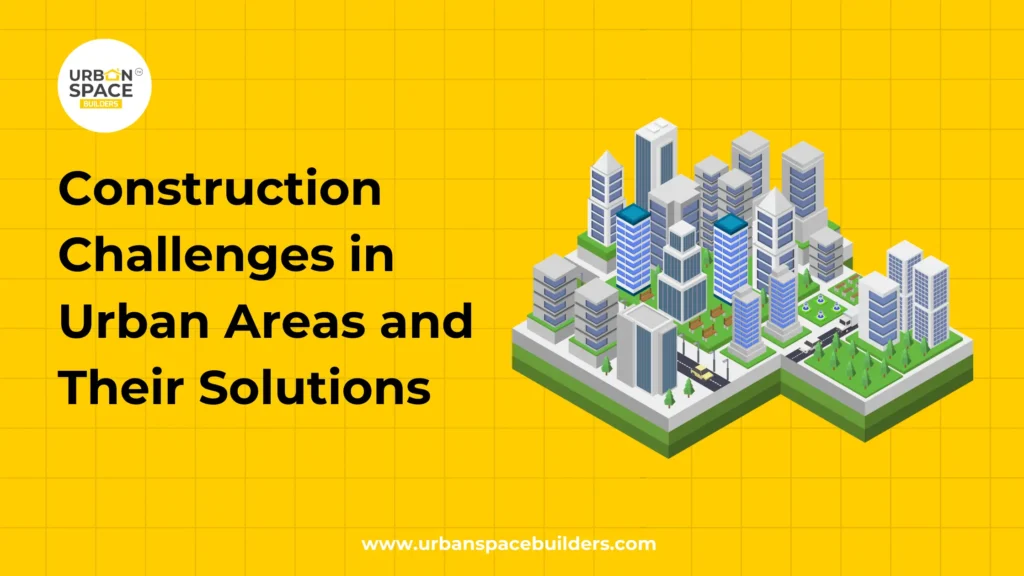
Building a home in a busy city is very different from building on an open plot. Limited space, crowded roads, nearby houses and material transportation can create several urban construction challenges.
For homeowners planning a house in Chennai, proper planning is essential to avoid unnecessary delays and costs. Urban Space Builders helps homeowners understand and manage practical construction challenges through planning, engineering support, site supervision and organised project management.
What Are Urban Construction Challenges?
Urban construction challenges are problems that arise when construction takes place in crowded and developed areas. Residential plots may have limited space, narrow roads and neighbouring properties close to the construction site.
Common challenges include:
- Limited construction space
- Difficult site access
- Material transportation problems
- Lack of storage space
- Traffic management
- Noise and dust control
- Labour coordination
- Construction safety
- Waste disposal
- Delays and cost overruns
These challenges require better planning than construction projects on large or open sites.
Why Are Urban Construction Challenges Important for Homeowners?
Ignoring urban construction problems can affect the project’s cost, quality and timeline.
Proper management helps homeowners:
- Reduce unnecessary construction delays
- Plan material deliveries efficiently
- Improve site safety
- Control dust and neighbourhood disturbance
- Avoid material damage caused by poor storage
- Improve quality control
- Manage construction costs more effectively
- Maintain better communication with contractors and engineers
Good urban construction planning also helps make better use of a small plot.
What Are the Most Common Construction Challenges in Urban Areas?
1. Limited Construction Space
Small urban plots often leave very little space for workers, equipment and construction materials.
Solution: Plan the site layout before work begins. Materials should be delivered in stages instead of storing everything on-site at once.
2. Difficult Material Transportation
Narrow roads and heavy city traffic can make it difficult for trucks to reach the site.
Solution: Schedule deliveries based on site access and local traffic conditions. Smaller or planned deliveries may be more practical for some locations.
3. Construction Material Storage Problems
Cement, steel and other materials need proper storage. Limited space can increase the risk of damage or wastage.
Solution: Use a planned delivery schedule and protect materials from moisture, damage and theft.
4. Noise and Dust Disturbance
Construction work can affect neighbouring homes, especially in high-density residential areas.
Solution: Use practical dust-control methods, keep the site organised and plan noisy activities responsibly.
5. Labour and Site Coordination
Urban construction requires close coordination between workers, suppliers, engineers and contractors.
Solution: A clear construction schedule and regular site supervision help different activities happen in the right order.
6. Construction Waste Disposal
Construction waste can quickly occupy valuable space on a small site.
Solution: Remove waste regularly and follow appropriate local disposal practices.
How Can Homeowners Manage Urban Construction Successfully?
A step-by-step approach can make the construction process more organised.
Step 1: Study the Plot and Surroundings
Understand the plot size, road access, neighbouring buildings and available working space.
Step 2: Complete Planning and Design
Architectural and structural planning should consider the limitations of the urban site.
Step 3: Check Required Approvals
Depending on the property’s location and project requirements, homeowners may need building plan approval and guidance related to authorities such as CMDA or DTCP.
Step 4: Prepare a Construction Schedule
Plan the sequence of construction activities, material deliveries and labour requirements.
Step 5: Organise Material Deliveries
Avoid ordering excessive quantities that cannot be safely stored on-site.
Step 6: Maintain Site Supervision
Regular supervision helps monitor construction quality, worker safety and project progress.
Step 7: Communicate with Neighbours When Necessary
Good communication can help reduce avoidable conflicts during major construction activities.
How Do Urban Construction Challenges Affect Project Timelines?
Construction in cities can face delays because of:
- Traffic restrictions
- Material delivery issues
- Limited working space
- Labour availability
- Weather conditions
- Approval requirements
- Changes during construction
A realistic construction timeline should consider these factors from the beginning. Rushing work to recover lost time can sometimes affect quality, so proper planning and coordination are more important than unrealistic promises.
What Factors Increase Construction Costs in Urban Areas?
Urban house construction costs can vary based on several factors.
Important cost factors include:
- Plot size and shape
- Architectural design
- Structural requirements
- Material transportation
- Labour requirements
- Site accessibility
- Construction material prices
- Interior requirements
- Approval-related requirements
- Project duration
Small or difficult sites may require additional planning and coordination. A detailed construction cost estimation before starting the project can help homeowners make informed decisions.
Read More: How to Choose the Right Windows and Doors for Your New Construction Home
Common Mistakes to Avoid During Urban Construction
- Mistake: Storing Too Much Material on Site
- Why: It creates congestion and increases the risk of material damage.
- Solution: Schedule deliveries in phases.
- Mistake: Ignoring Site Access
- Why: Large vehicles may struggle to reach narrow urban streets.
- Solution: Plan transportation before major deliveries.
- Mistake: Starting Without Proper Planning
- Why: Changes during construction can lead to delays and additional costs.
- Solution: Finalise important design and engineering decisions early.
- Mistake: Poor Site Supervision
- Why: Quality and safety issues may go unnoticed.
- Solution: Ensure regular supervision and quality inspections.
Key Takeaways
- Urban construction requires careful planning because space is limited.
- Material transportation and storage are major city construction challenges.
- Proper scheduling can reduce unnecessary delays.
- Site supervision is important for quality and safety.
- Dust, noise and waste should be managed responsibly.
- Construction costs depend on design, access, materials and project requirements.
- Experienced project management can improve coordination.
- Homeowners should focus on realistic planning rather than rushed construction.
Conclusion
Urban construction comes with practical challenges, but careful planning can make a major difference. Limited space, traffic, material deliveries, safety and site coordination should all be considered before construction begins.
For homeowners planning residential construction in Chennai, Urban Space Builders can support the process through architectural planning, structural design, construction cost estimation, site supervision and project management. A well-planned approach helps homeowners make informed decisions and manage their construction journey with greater confidence.
Also Check: Importance of Structural Engineering in Home Construction
Recent Posts
What Questions Should You Ask During a Site Visit? A …
Let's Build Your Dream Home Now!

What Questions Should You Ask During a Site Visit? A construction site visit gives you much more information than a brochure, quotation …
What Questions Should You Ask During a Site Visit? A construction site visit gives you much more information than a brochure, quotation …
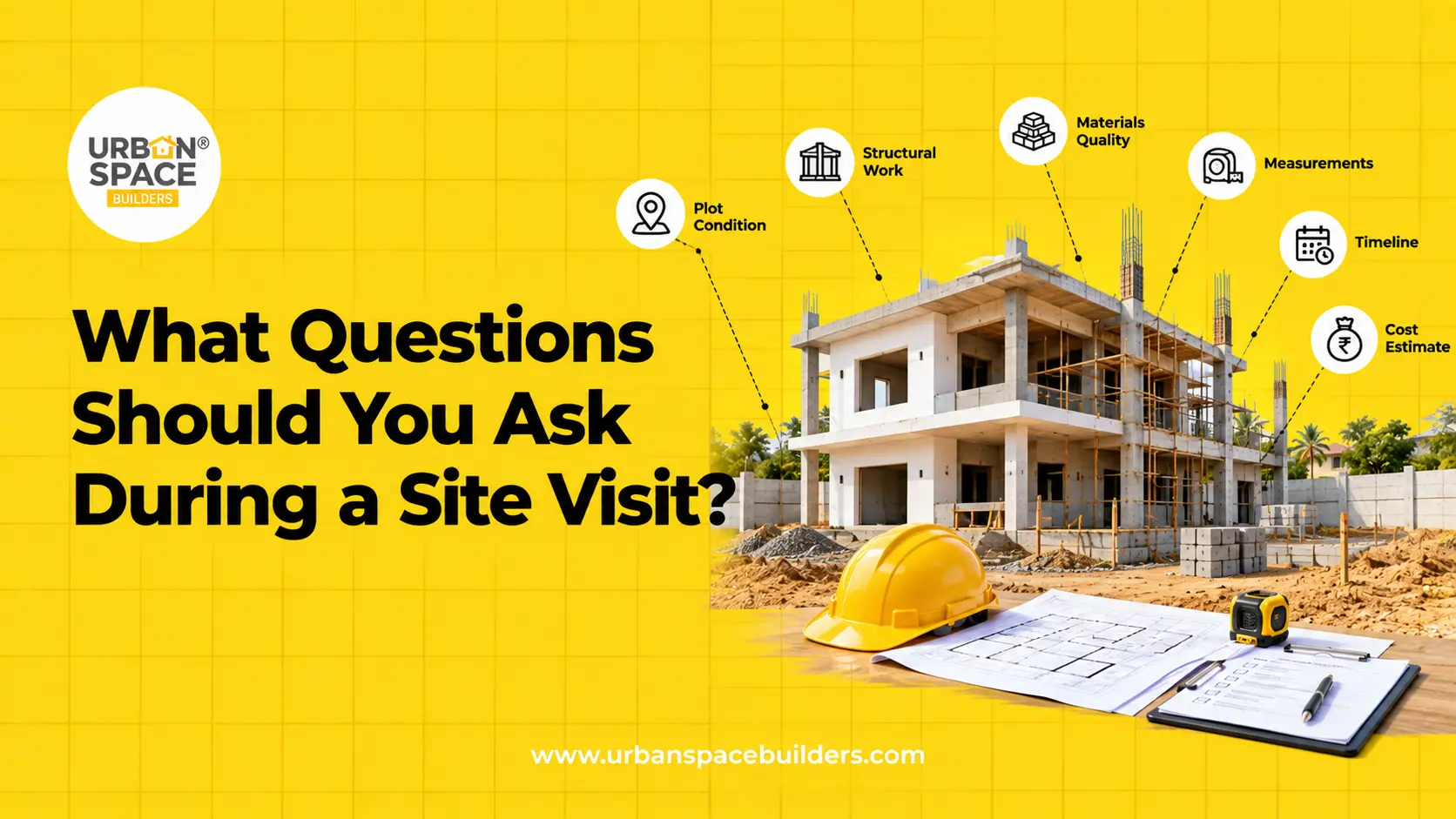
What Questions Should You Ask During a Site Visit? A construction site visit gives you much more information than a brochure, quotation …
How Staircase Design Affects Space and Comfort in a Home A staircase may occupy only one part of a house, but its …
Frequently Asked Questions
1. What are urban construction challenges?
Urban construction challenges are practical problems faced when building in crowded areas. They commonly include limited space, traffic, difficult site access, material storage, noise, dust, safety concerns and construction delays.
2. How can limited space be managed during construction?
Limited space can be managed through proper site planning and phased material deliveries. Keeping only the required quantity of materials on-site can help maintain a safer and more organised working environment.
3. Does construction in a crowded area cost more?
It can involve additional costs depending on site access, transportation, labour requirements and construction complexity. Every project is different, so homeowners should obtain a detailed project-specific construction cost estimate.
4. How can noise and dust be controlled during construction?
Construction teams can use suitable dust-control practices, maintain good site housekeeping and plan disruptive activities responsibly. The exact approach depends on the project and site conditions.
5. Why should homeowners choose experienced project management for urban construction?
Urban projects involve coordination between design, engineering, labour, materials and site conditions. Experienced project management can help organise these activities and keep homeowners better informed throughout the construction process.