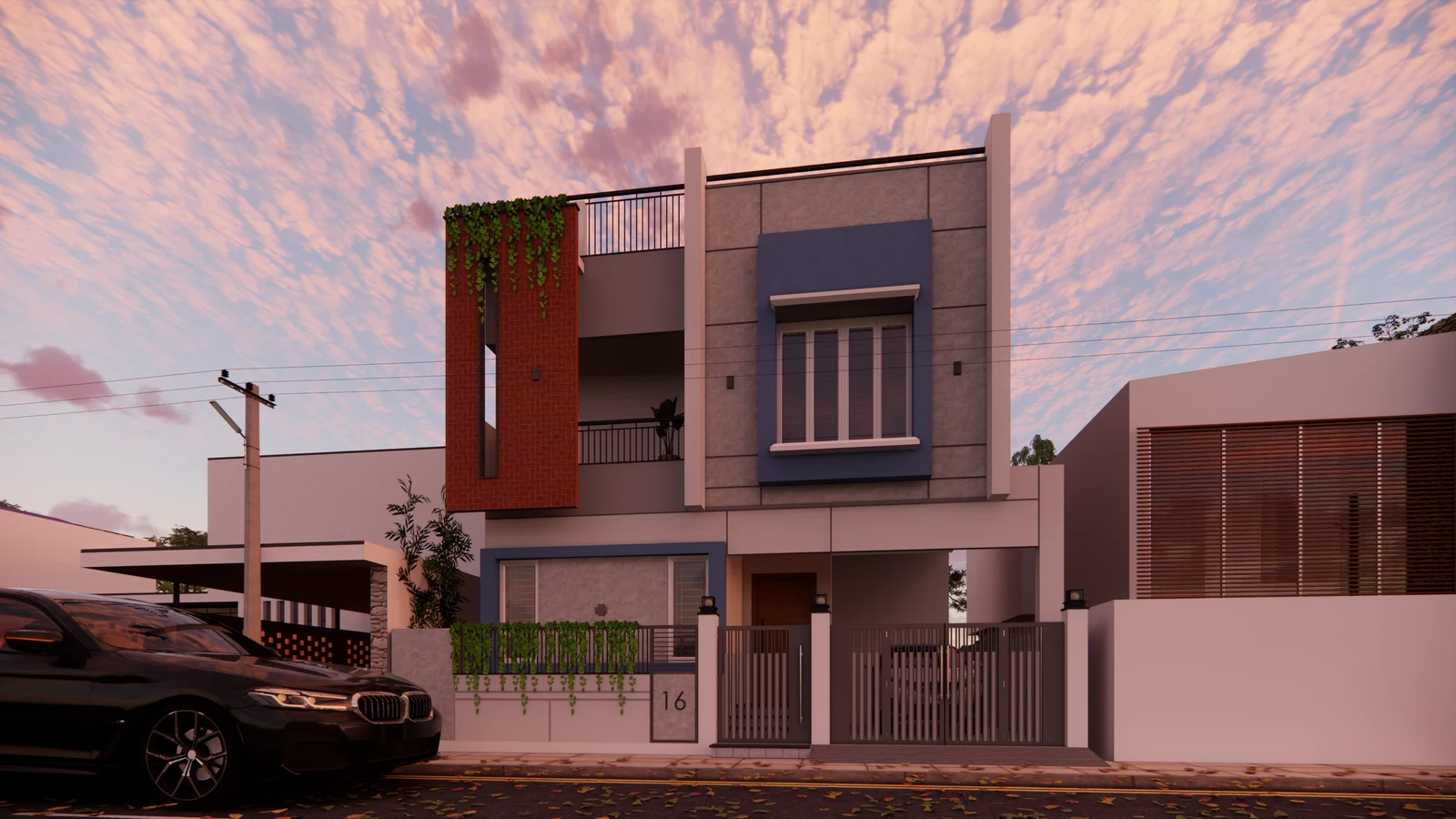

When you own a plot measuring 30 feet by 40 …
Everything You Need to Know About Swimming Pools Construction
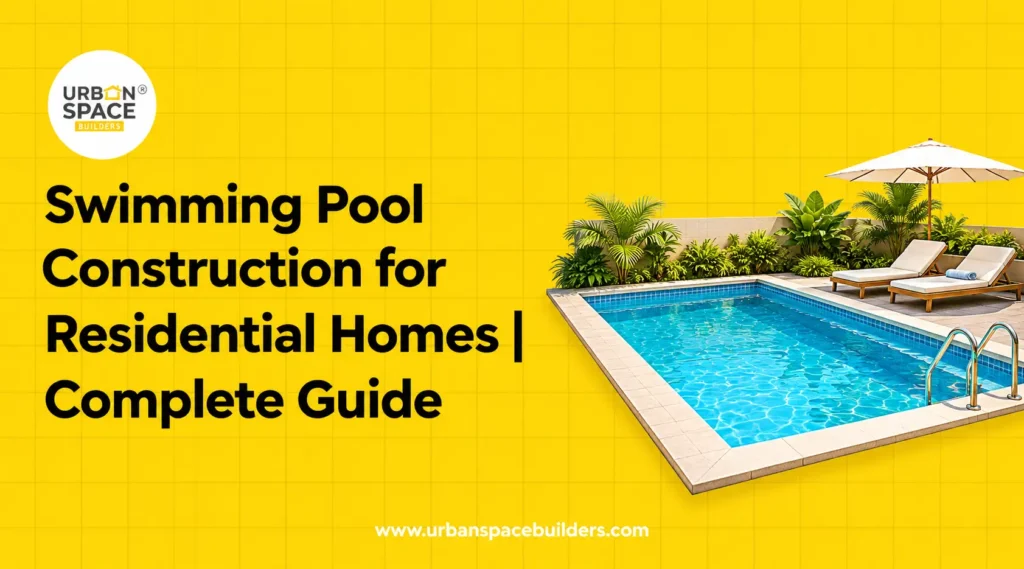
A residential swimming pool can transform an outdoor area into a relaxing space for recreation, exercise and family time. However, successful swimming pool construction requires careful planning, structural engineering, waterproofing, plumbing, filtration and long-term maintenance.
For homeowners in Chennai, factors such as soil conditions, heavy rainfall, drainage, sun exposure and the available outdoor space should be considered before construction begins. A well-planned swimming pool should complement the house while meeting practical, structural and safety requirements.
In this guide, we explain the types of residential swimming pools, construction stages, cost factors, waterproofing requirements, maintenance practices and essential considerations for building a swimming pool at home.
What Is Residential Swimming Pool Construction?
Residential swimming pool construction involves designing and building a swimming pool for a private home. Depending on the selected pool type, the work may include site assessment, excavation, structural construction, plumbing, waterproofing, filtration equipment, electrical installations and finishing.
A swimming pool should be planned as part of the overall property rather than as an isolated feature. Coordinating the pool with the house layout, outdoor areas, drainage and utility systems helps create a functional design.
If you are planning a new home, explore our residential construction services in Chennai to understand how planning, structural design and construction stages fit together.
Benefits of Building a Swimming Pool at Home
1. Creates a Private Recreational Space
A home swimming pool offers a convenient place to relax, enjoy recreational activities and spend time with family. The layout can be designed around the available outdoor space and the needs of the household.
2. Supports Swimming and Fitness
Swimming can form part of a regular exercise routine. The pool’s length, depth, entry points and circulation system should be selected according to its intended use.
3. Enhances Outdoor Design
A swimming pool can complement a home’s architecture when coordinated with landscaping, outdoor paving, lighting and seating. The surrounding area should provide comfortable movement and safe access.
4. Offers Customisation Options
Homeowners can choose from different pool shapes, finishes, depths, lighting options and water features. The final design should balance appearance, usability, construction complexity and maintenance.
5. May Improve Property Appeal
A thoughtfully designed pool may appeal to certain homebuyers, depending on the property and local market. However, a swimming pool does not guarantee a higher resale price and also brings ongoing maintenance responsibilities.
Types of Swimming Pools for Residential Homes
Choosing the right pool depends on the site, budget, design preferences, installation requirements and long-term maintenance.
1. Concrete Swimming Pools
Concrete swimming pools are built on-site using a designed structural system. They allow flexibility in dimensions, shape, depth and finishing materials.
Advantages
- Flexible design options.
- Can be customised to suit the property.
- Multiple finishing choices are available.
Considerations
Construction requires careful structural design, appropriate concrete placement and curing, properly detailed waterproofing and quality control throughout the process.
2. Fibreglass Swimming Pools
Fibreglass pools use a prefabricated shell that is transported to the property and installed according to the manufacturer’s specifications.
Advantages
- The shell is manufactured before installation.
- Available in standard designs and dimensions.
- Installation can be straightforward when site access and ground conditions are suitable.
Considerations
Check transportation access, excavation requirements, groundwater conditions, shell specifications and the availability of suitable installation services.
3. Vinyl-Lined Swimming Pools
Vinyl-lined pools use a pool structure with a specialised liner to contain the water.
Advantages
- Available in different shapes and sizes, depending on the system.
- The liner provides the interior water-containing surface.
Considerations
The liner may require repairs or replacement over time. Confirm local availability, maintenance requirements and expected service life before choosing this option.
4. Above-Ground Swimming Pools
Above-ground pools are installed above the surrounding ground using a compatible structural system.
Advantages
- May avoid conventional in-ground excavation.
- Available in different prefabricated formats.
- Can suit some properties with limited excavation options.
Considerations
The base, stability, access, structural support and safety arrangements must follow the manufacturer’s requirements and applicable local rules.
5. Infinity-Edge Swimming Pools
An infinity-edge pool creates the visual effect of water extending towards the surrounding landscape. Water flows over a designed edge into a collection trough and recirculation system.
Advantages
- Creates a distinctive architectural feature.
- Can complement suitable views and landscape designs.
Considerations
This option requires careful hydraulic design, structural detailing, waterproofing and additional equipment. It may involve greater construction complexity than a conventional pool.
Important Factors to Consider Before Swimming Pool Construction
1. Available Space and Pool Location
Assess the area available for the pool, surrounding deck, equipment, access and maintenance. Consider nearby buildings, boundaries, existing utilities and the route for construction machinery.
The design should allow people to move safely around the pool without blocking essential access routes.
2. Soil Conditions and Groundwater
Soil conditions influence excavation, foundation requirements and the pool’s structural design. Groundwater can also affect construction methods and the forces acting on the pool structure.
A site investigation and, where necessary, a geotechnical assessment can help the design team understand these conditions. Read our guide to soil testing for construction to understand why site-specific ground information matters.
3. Structural Design
The pool shell must be designed to account for water pressure, soil pressure, groundwater conditions and other relevant loads.
Rooftop pools and pools located above occupied spaces require particular care because water and construction materials add substantial weight. A qualified structural engineer must assess the supporting structure before such a pool is considered.
4. Waterproofing Requirements
Waterproofing is one of the most important parts of swimming pool construction. Leakage can damage nearby building elements, affect finishes and cause costly repairs.
The waterproofing system should be compatible with the pool structure, joints, penetrations and selected finish. Surface preparation, installation quality and testing are essential.
For broader guidance on protecting homes from moisture, read our article on waterproofing tips for homes in high-rainfall areas.
5. Plumbing and Filtration
A residential pool needs a circulation and filtration system designed for its size and intended use. Depending on the design, the system may include pumps, filters, skimmers, return fittings, valves and pipework.
Equipment should be selected according to the pool volume, hydraulic design and manufacturer’s guidance. Leave enough space for inspection, servicing and future repairs.
6. Electrical Safety
Pool pumps, underwater lights and other electrical equipment must be installed by qualified professionals in accordance with applicable electrical safety requirements.
The design should address suitable protective devices, earthing, equipment placement and safe maintenance access. Electrical systems must be appropriate for a wet environment.
7. Drainage and Rainwater Management
The pool deck and surrounding area should direct rainwater away appropriately and avoid unwanted runoff entering the pool. Drainage must be coordinated with the wider property layout.
For homes in Chennai, seasonal rainfall makes it particularly important to consider water flow, surface slopes and access to drainage outlets.
8. Permissions and Local Requirements
Before construction, check the approvals, inspections and other requirements applicable to the property and proposed pool. These may vary according to the site, property type and current local regulations.
Confirm the requirements with the competent local authority and the professionals responsible for the project.
9. Safety and Accessibility
Plan safe entry and exit points, suitable poolside surfaces, adequate lighting and appropriate barriers where required. Consider children, older adults and other intended users when determining access arrangements.
Safety should be built into the design rather than added only after construction is complete.
Step-by-Step Swimming Pool Construction Process
Step 1: Define Your Requirements
Decide how the pool will be used: recreation, exercise, family swimming or visual enhancement. Establish the preferred dimensions, depth, shape and essential features.
A clear brief helps the design team develop a solution that fits the property and budget.
Step 2: Assess the Site
Review the plot layout, soil conditions, groundwater where relevant, access for machinery, nearby structures and existing utility lines.
The site assessment helps identify constraints before the final design is prepared.
Step 3: Prepare the Design and Engineering Drawings
Coordinate the pool layout with structural, plumbing, filtration, electrical and waterproofing requirements. Confirm the position of equipment, access routes, drainage and surrounding paving.
Good coordination helps reduce clashes and unnecessary changes during construction.
Step 4: Confirm Approvals and Documentation
Identify which approvals and documents are required for the specific property. Arrange the necessary permissions before construction starts.
Keep the relevant drawings and specifications available to the construction team.
Step 5: Complete Excavation and Base Preparation
For an in-ground pool, excavation follows the approved dimensions and site requirements. The base and surrounding ground are prepared according to the engineering design.
Excavation safety and groundwater management must be considered where applicable.
Step 6: Construct the Pool Structure
Build the pool shell using the specified construction system. For a reinforced-concrete pool, this typically involves reinforcement, formwork, concrete placement and appropriate curing.
The structure must follow the approved design and applicable construction specifications.
Step 7: Install Plumbing and Equipment
Install circulation pipes, fittings, pumps, filters and other specified equipment. Coordinate electrical installations and equipment access before concealed work is completed.
Carry out the required inspections and tests before moving on to finishing work.
Step 8: Apply Waterproofing and Complete Finishes
Prepare the substrate and install the specified waterproofing system, paying particular attention to joints, corners and pipe penetrations.
Complete the internal pool finish, coping and surrounding surfaces in accordance with the design and product specifications.
Step 9: Test the Pool
Complete the specified checks for watertightness, plumbing, circulation, equipment operation and other relevant requirements before commissioning.
Testing should follow the project specifications and guidance from the responsible professionals.
Step 10: Commission and Handover
Fill the pool as directed by the construction team, balance the water and verify that the circulation and filtration systems operate correctly.
Before use, confirm that safety measures are in place and that the owner understands water testing, cleaning and equipment maintenance.
Swimming Pool Construction Cost: What Determines the Budget?
The cost of a residential swimming pool depends on the construction method, dimensions, site conditions, equipment, waterproofing, finishes and landscaping. A standard pool and a customised infinity-edge design will have different requirements.
Cost component | Factors that influence cost |
Design and engineering | Pool size, shape and structural complexity |
Site preparation | Soil conditions, access and excavation |
Structural construction | Construction system and materials |
Waterproofing | System specification and surface preparation |
Plumbing and filtration | Pool volume and equipment selection |
Electrical work | Pump connections, lighting and protection |
Interior finishes | Tiles, coatings or other specified materials |
Pool deck and landscaping | Paving, planting, lighting and seating |
Approvals and inspections | Requirements applicable to the property |
Maintenance | Water treatment, cleaning, power and servicing |
How to Prepare a Realistic Swimming Pool Budget
Start with a defined design and written scope of work. Request a quotation that identifies the structural work, waterproofing, plumbing, filtration, electrical installations, finishes, testing and exclusions.
Allow for unforeseen site conditions and clarify how additional work will be priced. Compare quotations based on the same specifications rather than selecting a contractor based only on the lowest initial amount.
For broader construction budgeting guidance, read our article on 10 factors to consider before starting building construction in Chennai.
Swimming Pool Construction Considerations for Chennai Homes
Heat and Sun Exposure
Strong sunlight can affect water temperature, evaporation and the durability of exposed materials. Discuss suitable finishes, shade options and water-management practices during design.
Heavy Rainfall and Drainage
Plan the pool deck and surrounding landscape to manage rainwater safely. Drainage should not direct unwanted runoff into the pool or allow water to collect around the structure.
Soil and Groundwater Variations
Ground conditions differ between properties. A suitable investigation helps the design team determine excavation methods, structural requirements and whether groundwater-management measures are necessary.
Waterproofing and Material Selection
Choose compatible construction and waterproofing systems based on the pool structure and exposure conditions. Installation quality, proper detailing and maintenance all influence long-term performance.
Our guide to best construction materials for long-lasting homes explains why material selection matters for durability.
Coordinating the Pool With Outdoor Spaces
Consider how the pool will fit with seating, landscaping, outdoor movement and rooftop or terrace areas. If you are planning other outdoor improvements, our guides to terrace planning for homes and terrace gardening benefits, costs and setup may help you plan complementary spaces.
Swimming Pool Maintenance for Long-Term Performance
Regular maintenance supports water quality, efficient circulation and early identification of problems.
- Test the water: Check disinfectant levels, pH and other relevant parameters using suitable testing methods.
- Clean the pool: Remove debris and clean surfaces and collection points as required.
- Maintain the filtration system: Inspect and service pumps, filters and circulation components according to manufacturer instructions.
- Monitor water levels: Maintain the recommended level and investigate unexplained water loss.
- Inspect for leakage: Look for damp patches, visible cracks, loose finishes or unusual water-level changes.
- Check safety systems: Arrange suitable inspections of electrical equipment and safety provisions.
- Keep maintenance records: Record water tests, servicing and repairs to help identify recurring problems.
If you suspect a structural crack, leak or electrical fault, arrange an assessment by a suitably qualified professional.
Common Swimming Pool Construction Mistakes to Avoid
Ignoring Site Conditions
Insufficient site assessment can lead to unexpected excavation difficulties, drainage problems or unsuitable structural assumptions.
Treating Waterproofing as an Afterthought
Waterproofing must be coordinated with the pool structure, joints, penetrations and finish system from the beginning.
Choosing Incompatible Equipment
Pumps, filters and pipework must match the pool’s hydraulic requirements. Equipment should be selected based on proper specifications rather than price alone.
Overlooking Ongoing Maintenance
A swimming pool requires regular water treatment, cleaning, electricity and equipment servicing. Consider these recurring responsibilities before deciding on the final design.
Ignoring Poolside Safety
Access, slip-resistant surfaces, suitable barriers where required and electrical protection should be incorporated into the initial plan.
Making Changes Without Reviewing the Design
Changes to dimensions, depth, equipment or features can affect structural design, plumbing, waterproofing and cost. Review proposed changes with the responsible professionals before implementation.
Conclusion
Swimming pool construction requires careful coordination of design, structural engineering, waterproofing, plumbing, electrical installations and finishing. Choosing the right pool type and understanding the full budget and maintenance requirements can help homeowners make informed decisions.
For residential projects in Chennai, site conditions, drainage, waterproofing, safety and applicable permissions deserve particular attention. Start with a professional site assessment and a coordinated design before construction begins.
To understand the residential projects delivered by Urban Space Builders, explore our construction projects in Chennai. If you are planning a new home and would like to discuss your construction requirements, contact Urban Space Builders.
Important: Pool design, structural requirements, construction specifications and approvals should be confirmed with appropriately qualified professionals and the competent local authority for the specific property.
Recent Posts
Understanding Space Measurements in Residential Construction Walking through a completed …
Let's Build Your Dream Home Now!

When you own a plot measuring 30 feet by 40 feet, you are working with a total area of 1,200 square feet. …

Understanding Space Measurements in Residential Construction Walking through a completed home feels very different from looking at a technical floor plan. One …
Planning a residential project in Chennai requires a clear understanding of the financial commitments involved long before the first brick is laid. …

House Construction Cost in Chennai: 12 Factors That Affect Your Budget Building a house is a major financial decision, and understanding the …
Frequently Asked Questions
1. How much does it cost to build a swimming pool at home?
The cost depends on the pool’s size, construction type, site conditions, waterproofing, filtration equipment and finishing materials. A site-specific quotation should clearly identify inclusions, exclusions and any additional work.
2. Which swimming pool type is best for a residential home?
Concrete, fibreglass, vinyl-lined and above-ground pools each have different installation and maintenance requirements. The best option depends on the property, site conditions, budget and preferred design.
3. How long does swimming pool construction take?
The timeline varies with the construction system, design complexity, approvals, site conditions, weather, equipment availability and finishing requirements. Ask for a project-specific schedule covering each construction stage.
4. Is waterproofing necessary for a swimming pool?
Yes. The pool must be designed and constructed to retain water and protect surrounding structures from leakage. The waterproofing system must be compatible with the structure and selected finishes.
5. Does a swimming pool require approval in Chennai?
Applicable requirements depend on the property, proposed design and current local regulations. Confirm the necessary permissions with the competent authority and your architect or project team before construction.
6. How often does a home swimming pool need maintenance?
Water quality should be checked regularly, and cleaning and equipment servicing should follow the pool’s usage, water conditions and manufacturer’s recommendations. Maintenance is an ongoing responsibility.