From Foundation to Finish: How Long Do Homes Really Take to Build?

From Foundation to Finish How Long Do Homes Really Take to Build | architects chennai

One of the most common questions homeowners ask before starting their dream project is, “How long will it take to complete my home?” The answer depends on several factors, but understanding the construction stages helps you plan better, set realistic expectations, and ensure a smooth journey from design to completion.

If you’re working with a construction company in Chennai like Urban Space Builders, you can expect transparent timelines and expert guidance at every stage of your home-building process.

Average Duration to Build a House in Chennai

On average, constructing a residential property in Chennai takes 7 to 14 months. However, this timeline varies based on plot size, architectural design, material availability, and workforce capacity.

Following is a step-by-step descriptive account of each stage:

1. Planning and Design Stage (1–2 Months)

It is the planning phase. It includes:

  • Architectural drawings and floor plans
  • Structural design and 3D modeling
  • Estimation of construction cost
  • Government permits and approvals

Tip: Delays often happen here due to plan modifications or pending approvals. Having all documents ready, using a reliable Home Construction Cost Calculator to estimate budgets, and collaborating with experienced architects in Chennai ensures quicker approvals and smoother coordination.

2. Foundation and Site Preparation (3–5 Weeks)

Once the plan is finalized, the land is graded and soil is tested to determine the foundation type. Excavation

    • Land grading and soil testing are conducted
    • Excavation, footing, and column work begin
    • Waterproofing and curing processes follow

Note: Chennai’s soil type and monsoon weather can significantly affect this phase.

3. Structural Work (2–3 Months)

This involves constructing the skeleton of the house columns, beams, and slabs. Framework for ground floor and upper floors

  • Construction of columns, beams, and slabs
  • Framework for ground and upper floors
  • Staircase and roof casting

Multi-storey or luxury home construction projects generally take longer than single-floor structures.

4. Brickwork and Wall Construction (1–1.5 Months)

  • After the structure is raised:
  • External and internal walls are built
  • Windows and door frames are fitted
  • Lintel and loft works are completed
Premium residential project by Urban Space Builders – representing quality construction and design excellence by one of the best builders in Chennai.

5. MEP Work (1–1.5 Months)

Mechanical, Electrical, and Plumbing for long-term performance:

  • Plumbing pipes and electricity conduits are fitted
  • Switchboards and fixtures are labeled
  • Bathroom and kitchen fixtures are fitted

6. Plastering and Flooring (1 Month)

This phase comprises exterior and interior plastering:

  • Wall smoothing and finishing
  • Laying flooring and tiles
  • False ceiling installation

7. Painting and Woodwork (3–4 Weeks)

Final finishes begin:

  • Interior and exterior painting
  • Cabinet work and wardrobes
  • Modular kitchen installation

For design inspiration, explore our guide on terrace gardening benefits and setup for modern Chennai homes.

8. Final Inspection and Handover (1–2 Weeks)

Before handover, the builder:

  • Conducts quality check
  • Removes snags
  • Works the site very clean

This ensures your new home is ready for a smooth move-in experience.

Factors That Influence Home Building Time

Several aspects can affect your project timeline:

  • Climate & Monsoon: Heavy rain can delay foundation and plastering work.
  • Material Delays: Supply chain issues or material shortages may slow progress.
  • Labor Availability: Skilled labor shortages can affect construction pace.
  • Design Changes: Midway alterations in layout or materials can extend timelines.

Tips for Staying on Track

  • Partner with a reputed builder offering residential construction services
  • Finalize design, materials, and finishes before starting work
  • Request weekly updates or use project tracking tools
  • Set milestones and review progress regularly

If you’re considering value-added additions like pools, check out our complete guide on residential swimming pool construction.

Conclusion

Building a house in Chennai is a rewarding experience that blends creativity, planning, and patience. While the average duration is 7 to 14 months, careful preparation and collaboration with an experienced builder like Urban Space Builders can help you stay on schedule and within budget.

From foundation to finish, every stage brings you closer to your dream home crafted with precision, passion, and purpose.

Recent Posts

Key Stages of a Residential Construction Project Explained Building your …

Key Stages of a Residential Construction Project Explained Building your …
Let's Build Your Dream Home Now!

Why Ceiling Height Should Be Considered During House Design

Key Stages of a Residential Construction Project Explained Building your dream home is one of the biggest investments you’ll ever make. However, …
How Plot Shape Influences Your House Construction Design

Key Stages of a Residential Construction Project Explained Building your dream home is one of the biggest investments you’ll ever make. However, …
How to Make the Home Handover Process Smoother

Key Stages of a Residential Construction Project Explained Building your dream home is one of the biggest investments you’ll ever make. However, …
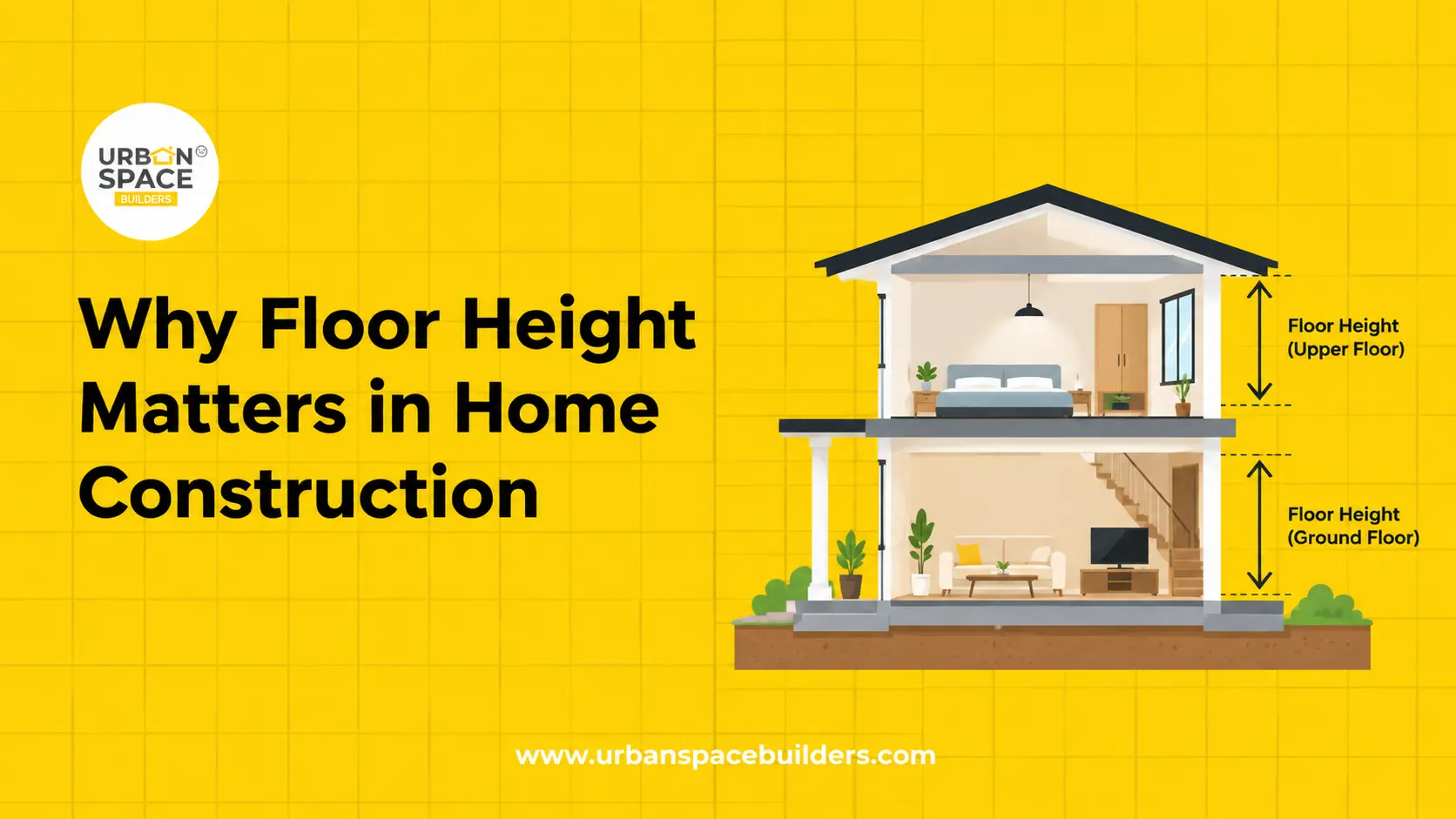
Why Floor Height Matters in Home Construction

Key Stages of a Residential Construction Project Explained Building your dream home is one of the biggest investments you’ll ever make. However, …
Frequently Asked Questions

1. How long does it take to build a house in Chennai?

On average, building a residential house in Chennai can take around 7 to 14 months. The exact construction timeline depends on the plot size, house design, number of floors, material availability, labour and weather conditions.

The major stages of house construction include planning and design, approvals, site preparation, foundation work, structural construction, brickwork, electrical and plumbing work, plastering, flooring, painting, woodwork and final inspection.

Structural work is often one of the most time-consuming stages because it includes the construction of columns, beams, slabs, floors and the roof. The duration can increase for multi-storey homes or complex architectural designs.

Construction delays can occur because of heavy rainfall, material shortages, labour availability, pending approvals, unexpected site conditions and design changes made during construction.

Homeowners can reduce construction delays by finalising the house design and material specifications before work begins, planning the budget properly, scheduling material deliveries and monitoring construction progress regularly.

Scroll to Top