What Permissions Do You Need Before Building a House?

What Permissions Do You Need Before Building a House

Building your dream home is exciting, but starting construction without proper approvals can lead to legal complications, penalties, delays, and even demolition notices. Many homeowners focus on design, budget, and materials but overlook the importance of obtaining the required permissions before construction begins.

Whether you are planning a villa, duplex, independent house, or residential building, understanding the necessary approvals is essential for a smooth construction journey. At Urban Space Builders, one of the first steps we guide homeowners through is securing the right permissions before breaking ground.

In this guide, we’ll explain the key approvals, documents, and permissions required before building a house in Chennai and Tamil Nadu.

Why Are Construction Permissions Important?

Government approvals ensure that your building:

  • Complies with zoning regulations
  • Meets safety standards
  • Follows setback and FSI norms
  • Has legal access to utilities
  • Avoids future legal disputes
  • Qualifies for home loans and insurance

Building without proper approval can result in fines, project stoppages, or legal action by local authorities. Planning permission and building approval are mandatory requirements before construction begins.

1. Verify Land Ownership Documents

Before applying for any construction approval, you must establish clear ownership of the property.

Essential Documents

  • Sale Deed
  • Patta
  • Chitta
  • Adangal
  • Encumbrance Certificate (EC)
  • Property Tax Receipts

These documents confirm that the land legally belongs to you and is free from ownership disputes. Proper ownership verification is the foundation for obtaining planning permission and building approvals.

2. Confirm Land Classification

One of the most overlooked steps is checking whether your land is approved for residential construction.

Important Questions

  • Is the land residential?
  • Is it agricultural land?
  • Does the layout have DTCP or CMDA approval?
  • Is it part of an approved development?

If the property is classified as agricultural land, conversion to residential use may be required before construction approval can be obtained.

3. Layout Approval (DTCP or CMDA)

Before building a house, the layout itself should be approved by the appropriate planning authority.

For Chennai Metropolitan Area

You need approval from the Chennai Metropolitan Development Authority.

For Other Areas in Tamil Nadu

Approval falls under the Directorate of Town and Country Planning or Local Planning Authority.

Layout approval confirms:

  • Road widths
  • Open space reservation
  • Drainage systems
  • Land-use compliance
  • Infrastructure provisions

Purchasing property in approved layouts significantly reduces legal risks and improves eligibility for home loans.

4. Building Plan Approval

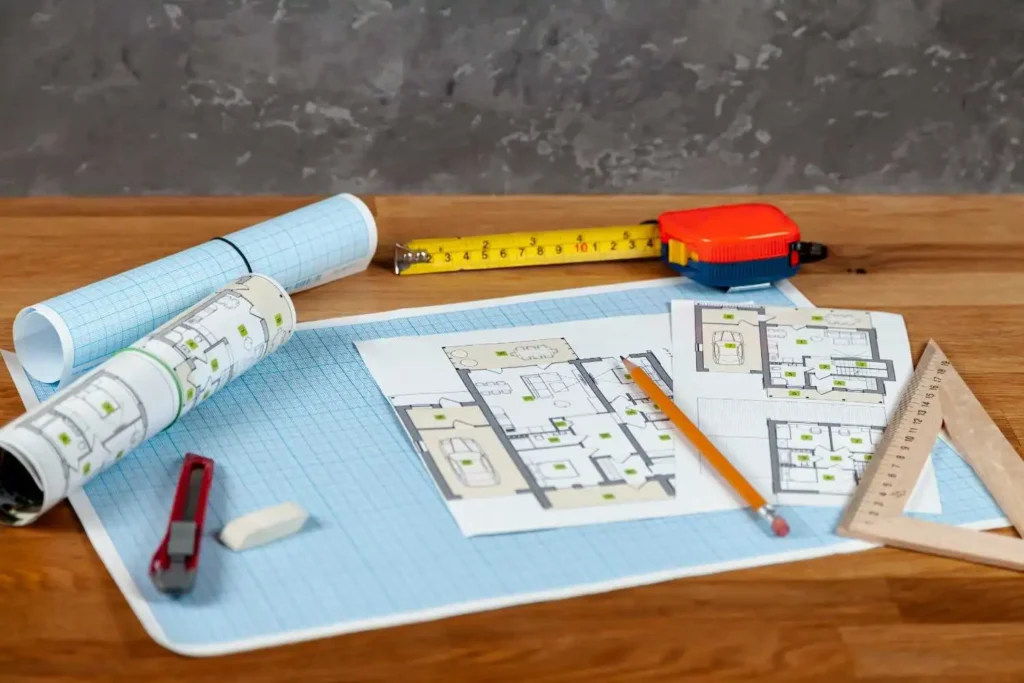
Building Plan Approval is the most important permission required before construction.

This approval verifies that your proposed house complies with:

  • Floor Space Index (FSI)
  • Setback requirements
  • Height restrictions
  • Structural safety norms
  • Zoning regulations

A licensed architect or engineer prepares the building drawings and submits them to the relevant authority for approval. Construction should begin only after receiving the sanctioned plan.

5. Planning Permission

Many homeowners confuse Building Plan Approval with Planning Permission.

However, they are separate approvals.

According to Tamil Nadu regulations, Planning Permission is issued by planning authorities, while building licenses may be issued by local bodies. Both approvals are necessary depending on the project type and location.

Planning Permission ensures:

  • Land-use compliance
  • Development regulation compliance
  • Alignment with master plans
  • Proper urban planning standards

Without Planning Permission, construction is considered unauthorized.

6. Structural Stability Certificate

Modern construction requires certified structural safety. A licensed structural engineer provides a Structural Stability Certificate that verifies:

  • Foundation strength
  • Load-bearing capacity
  • Structural safety
  • Compliance with building codes

This certificate is commonly required during the approval process.

7. No Objection Certificates (NOCs)

Certain projects may require additional approvals depending on size and location.

Common NOCs include

Fire Department NOC: Required for larger buildings and special structures.

Environmental Clearance: Needed for certain developments with environmental impact.

Utility Department Approvals

For:

  • Water connections
  • Sewage connections
  • Electricity supply

Airport Authority Clearance: Applicable when construction falls within restricted aviation zones. NOC requirements vary based on project type and location.

Documents Required for Building Approval

Generally, authorities may request:

  • Ownership Documents
  • Patta and EC
  • Site Plan
  • Building Plan
  • Road Width Sketch
  • Structural Stability Certificate
  • Plot Approval Copy
  • Identity Proof
  • NOCs (if applicable)

Having these documents ready can significantly speed up the approval process.

Common Mistakes Homeowners Make

Many projects face delays because of avoidable errors.

Frequent Issues

  • Buying unapproved plots
  • Ignoring setback requirements
  • Constructing before approval
  • Missing ownership documents
  • Using outdated survey records
  • Not consulting licensed professionals

To avoid these costly issues, read our guide on How to Avoid Rework and Material Wastage in Construction.

How Technology Is Simplifying Construction Approvals

Today’s homeowners can use digital tools to improve planning, document management, and project coordination.

AI-powered solutions help with:

  • Cost estimation
  • Documentation tracking
  • Construction scheduling
  • Approval workflow management
  • Risk identification

Learn more in our guide: Top AI Tools for Smarter Construction Planning

How Urban Space Builders Helps Homeowners

At Urban Space Builders, we assist clients throughout the approval and construction process.

Our services include:

  • Site verification
  • Approval guidance
  • Architectural planning
  • Structural design
  • Construction management
  • End-to-end project execution

You can explore some of our completed residential projects here: Urban Space Builders Projects

small home construction cost Chennai
stages of construction

Conclusion

Before building a house, obtaining the right permissions is not just a legal requirement, it is an essential step toward a successful construction project. From verifying ownership documents and layout approvals to securing planning permission and building plan approval, every approval protects your investment and ensures compliance with government regulations.

A properly approved project experiences fewer delays, avoids legal complications, and offers greater peace of mind throughout the construction journey. By partnering with experienced professionals, homeowners can navigate the approval process efficiently and focus on creating their dream home with confidence.

Frequently Asked Questions (FAQs)

  1. Is building plan approval mandatory before constructing a house?

Yes. Building plan approval is a mandatory requirement before starting residential construction. Unauthorized construction can lead to penalties and legal action.

  1. What is the difference between CMDA and DTCP approval?

CMDA approvals apply within the Chennai Metropolitan Area, while DTCP approvals apply to most other parts of Tamil Nadu.

  1. Can I build a house on agricultural land?

No. Agricultural land generally requires conversion to residential use before house construction can legally begin.

  1. How long does building approval take in Tamil Nadu?

Approval timelines vary based on project size, documentation, and authority review. Online approval systems have significantly reduced processing times.

  1. Can I get a home loan without building approval?

Most banks require approved building plans and legal documents before sanctioning construction or home loans.

Recent Posts

What Is Foundation Work? Types and Importance Explained Foundation work …

What Is Foundation Work? Types and Importance Explained Foundation work …

Let's Build Your Dream Home Now!

What Permissions Do You Need Before Building a House

What Is Foundation Work? Types and Importance Explained Foundation work is one of the most important stages in any construction project. Whether …

Mistakes in House Layout That Affect Daily Living

What Is Foundation Work? Types and Importance Explained Foundation work is one of the most important stages in any construction project. Whether …

Best House Designs for Small Plots in Urban Areas

What Is Foundation Work? Types and Importance Explained Foundation work is one of the most important stages in any construction project. Whether …

Importance of Structural Engineering in Home Construction

What Is Foundation Work? Types and Importance Explained Foundation work is one of the most important stages in any construction project. Whether …

Scroll to Top