
What Questions Should You Ask During a Site Visit? A …
How Soil Conditions in Chennai Affect Construction
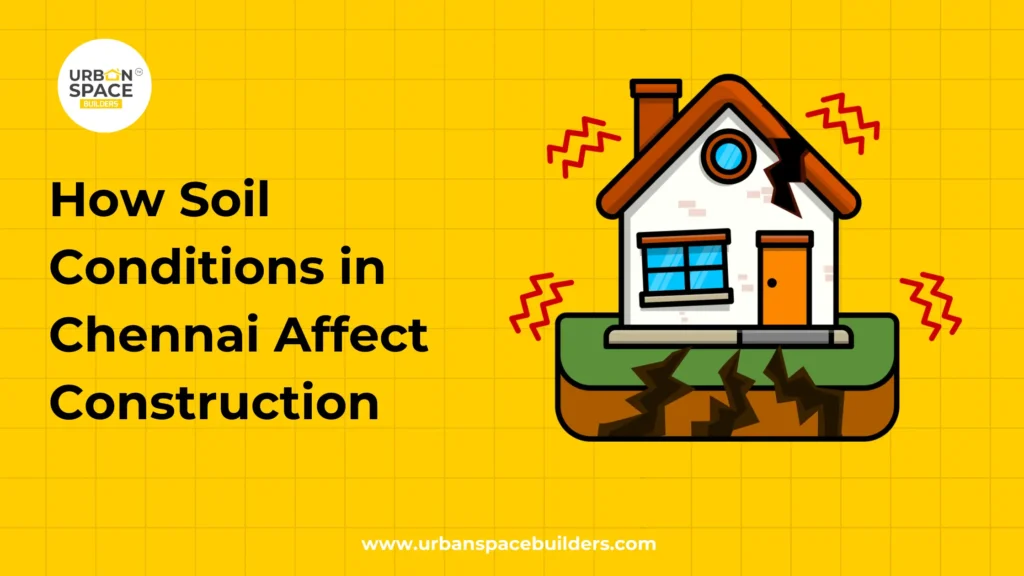
Before building a house, many homeowners focus on the design, budget and materials but overlook what lies beneath the plot. Soil Conditions in Chennai play an important role in determining how a building foundation should be designed.
A plot that looks suitable on the surface may have very different conditions below ground. Soil strength, groundwater and soil composition can influence structural safety and construction costs. Urban Space Builders helps homeowners understand these factors through proper planning, soil investigation and structural engineering support.
This guide explains what homeowners should know about Chennai soil conditions before starting house construction.
What Are Soil Conditions in Chennai?
Soil conditions describe the physical properties of the ground where a building will be constructed. These conditions include soil type, density, strength, moisture and groundwater level.
Different parts of Chennai can have different ground conditions. A construction site may contain:
- Sandy soil
- Clay-rich soil
- Mixed soil
- Filled or reclaimed ground
- Loose soil layers
- Soil with a high water table
The soil beneath one plot may also differ from another plot located only a few kilometres away. This is why engineers should assess the actual construction site instead of assuming that all Chennai soil has the same strength.
Why Are Soil Conditions Important for House Construction?
The foundation transfers the weight of a house safely to the ground. If the soil is weak or unsuitable for the planned structure, the foundation design may need to be changed.
Understanding soil conditions before construction helps homeowners:
- Choose a suitable foundation design
- Improve structural safety
- Reduce the risk of uneven settlement
- Plan construction costs more accurately
- Identify groundwater-related challenges
- Avoid unnecessary changes during construction
- Support better long-term building performance
A proper soil investigation gives the structural engineer important information before finalising the building foundation.
How Do Different Soil Types in Chennai Affect Construction?
Sandy Soil
Sandy soil can drain water quickly and may provide good support when it is dense and properly assessed. However, loose sand may require additional engineering attention.
Clay-Rich Soil
Clay can hold more moisture and may change in volume depending on water conditions. Engineers need to understand how this movement could affect the foundation.
Filled Ground
Some plots may contain soil that was added or filled during earlier land development. Filled ground may not have uniform strength and should be carefully investigated before construction.
Areas with Higher Groundwater
Groundwater can affect excavation, foundation work and waterproofing requirements. It may also influence the construction method and project planning.
The important point is that soil type alone does not determine whether a plot is suitable. Engineers need information about the actual ground conditions and soil strength.
Why Is Soil Testing Important Before Construction in Chennai?
Soil testing for construction helps identify whether the ground can safely support the proposed building.
A soil test may help engineers understand:
- Soil bearing capacity
- Soil strength
- Soil density
- Groundwater level
- Soil composition
- Depth of stronger soil layers
- Possible settlement risks
The soil bearing capacity refers to the ability of the soil to safely support building loads. This information helps structural engineers make better decisions about foundation depth and foundation type.
For an individual house or duplex home, soil testing can prevent costly changes after construction has already started.
How Is Soil Investigation Done for a House?
The soil investigation process generally follows several steps.
- Site Assessment
The construction team reviews the plot and understands the proposed building requirements.
- Borehole or Soil Sampling
Soil samples may be collected from different depths to understand the layers below the ground.
- Soil Testing
Tests are performed to evaluate relevant soil properties. Depending on the project, engineers may use methods such as borehole investigation and Standard Penetration Testing.
- Soil Test Report
The investigation results are documented in a soil report with information that supports engineering decisions.
- Foundation Recommendation
The structural engineer uses the available soil information and building requirements to design an appropriate foundation system.
How Do Soil Conditions Affect Foundation Design in Chennai?
The right foundation depends on both the soil conditions and the building design.
Depending on engineering requirements, a project may use:
- Isolated footings
- Combined footings
- Raft foundations
- Pile foundations
- Other suitable foundation systems
A shallow foundation may be appropriate when suitable supporting soil is available near the surface. Where stronger soil is located deeper underground or ground conditions require a different approach, engineers may recommend another foundation solution.
Homeowners should avoid choosing a foundation based only on what was used for a neighbouring building. Each plot and building design should be properly assessed.
What Factors Affect Construction Costs When Soil Conditions Are Difficult?
Soil conditions can influence the overall house construction cost.
Important cost factors may include:
- Depth of excavation
- Foundation depth
- Foundation type
- Ground improvement requirements
- Groundwater management
- Concrete and steel requirements
- Labour requirements
- Site accessibility
Poor ground conditions do not automatically mean a project cannot be built. However, they may require additional engineering work and materials. Identifying these requirements early helps improve construction cost estimation and budget planning.
Key Benefits of Soil Testing for Homeowners
- Better foundation planning
- Improved structural safety
- More accurate cost estimation
- Reduced risk of unexpected site issues
- Better coordination between engineers and contractors
- Improved long-term building stability
- More informed construction decisions
Common Mistakes Homeowners Should Avoid
- Skipping the Soil Test to Save Money
- Why it is a problem: Unknown soil conditions can lead to unexpected foundation changes later.
- Solution: Include soil investigation in the early construction planning stage.
- Copying a Neighbour’s Foundation
- Why it is a problem: Nearby plots can still have different soil conditions and building loads.
- Solution: Use engineering recommendations for your specific plot.
- Starting Construction Before Engineering Review
- Why it is a problem: Foundation decisions made without proper information may increase risk and rework.
- Solution: Complete site assessment, soil investigation and structural planning before major construction begins.
- Ignoring Groundwater Conditions
- Why it is a problem: Water can affect excavation and foundation work.
- Solution: Plan excavation, drainage and waterproofing based on actual site conditions.
A Real-World Construction Example
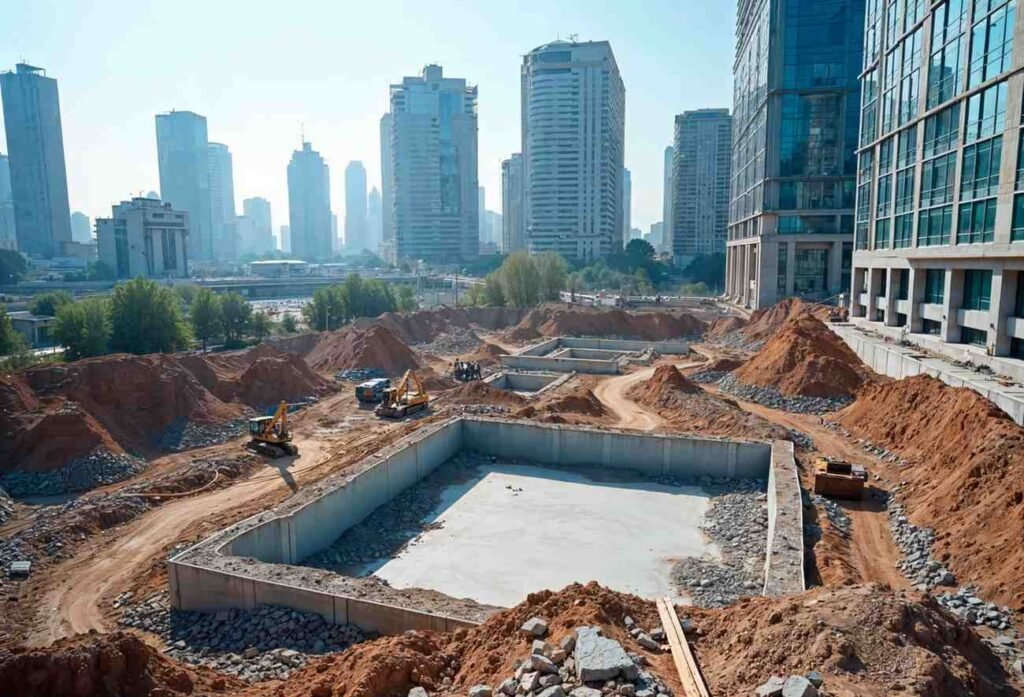
Imagine two families planning similar duplex homes in different parts of Chennai. Both homes may have similar floor plans, but the soil conditions can be different.
One plot may have suitable dense soil at a relatively shallow depth. Another plot may require deeper foundation work because the upper soil layers are weaker or groundwater conditions need additional attention.
The buildings may look similar above ground, but their foundation requirements can be different. This is why soil investigation should be considered an important part of responsible residential construction.
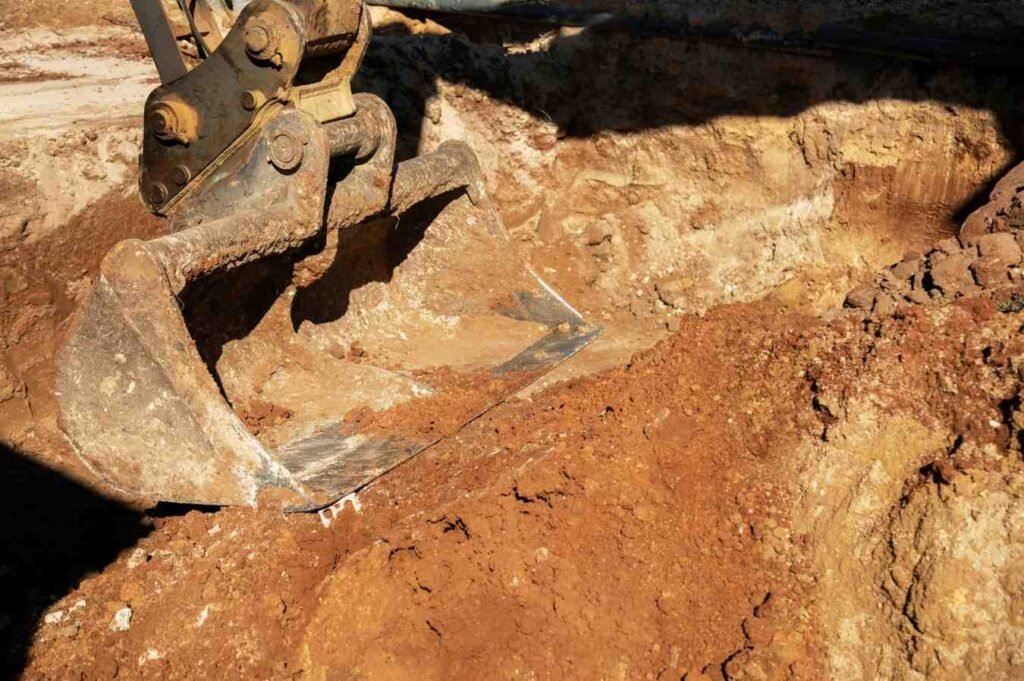
Expert Tips Before Building a House in Chennai
- Arrange soil investigation before finalising the foundation design.
- Share the soil report with the structural engineer.
- Do not select a foundation type based only on cost.
- Consider groundwater conditions during construction planning.
- Include foundation-related costs in your early budget.
- Use qualified engineers for structural decisions.
- Maintain proper site supervision during foundation work.
- Keep records of soil reports, structural drawings and construction approvals.
Why Choosing the Right Construction Partner Matters
Construction in Chennai requires a deep understanding of local soil behavior, climate conditions, and engineering standards. A reliable builder ensures that every stage, from soil testing to foundation execution, is handled professionally.
UrbanSpace Builders Packages help homeowners choose construction solutions that are engineered for Chennai’s local conditions and long-term durability.
Whether the site contains clay soil, sandy soil, or loose land, expert planning can ensure a safe and durable home.
Key Takeaways
- Soil conditions in Chennai can vary significantly between construction sites.
- Soil testing provides important information about ground strength and bearing capacity.
- Soil conditions directly influence foundation design.
- Groundwater can affect excavation and construction planning.
- Early soil investigation can help avoid unexpected construction changes.
- Foundation decisions should be made by qualified structural professionals.
- Proper planning improves safety, quality and cost control.
Conclusion
Understanding Soil Conditions in Chennai is an important first step before building an individual house, duplex home or custom residential property. The ground beneath your plot can influence foundation design, structural safety, construction planning and overall costs.
A proper soil investigation, combined with professional structural design and site supervision, helps homeowners make informed decisions before major construction work begins.
Urban Space Builders supports homeowners with residential home construction, architectural design, structural design, construction cost estimation, project management and site supervision. If you are planning to build a home in Chennai, early planning and a proper understanding of your site conditions can help create a stronger foundation for the entire project.
Also Check: The Key Benefits of Hiring Experienced Builders for Your Home Construction
Recent Posts
What Questions Should You Ask During a Site Visit? A …
Let's Build Your Dream Home Now!

What Questions Should You Ask During a Site Visit? A construction site visit gives you much more information than a brochure, quotation …

What Questions Should You Ask During a Site Visit? A construction site visit gives you much more information than a brochure, quotation …

What Questions Should You Ask During a Site Visit? A construction site visit gives you much more information than a brochure, quotation …

How Staircase Design Affects Space and Comfort in a Home A staircase may occupy only one part of a house, but its …
Frequently Asked Questions
1. Is soil testing necessary for house construction in Chennai?
Soil testing is an important part of responsible construction planning because it helps engineers understand site-specific ground conditions before designing the foundation.
2. What does a soil test report show?
A soil test report can provide information about soil layers, strength, density, bearing characteristics and groundwater conditions relevant to engineering decisions.
3. Does weak soil increase construction costs?
It can increase costs if additional foundation work, deeper excavation or ground improvement is required. Early investigation helps homeowners plan more accurately.
4. Who decides the right foundation for a house?
A qualified structural engineer should determine the foundation design using the building requirements and relevant site investigation information.
5. Can I use the same foundation design as my neighbour?
It is not advisable to assume the same design will be suitable. Your plot, soil conditions and building loads may be different.