
What Questions Should You Ask During a Site Visit? A …
How Good Construction Increases Property Value
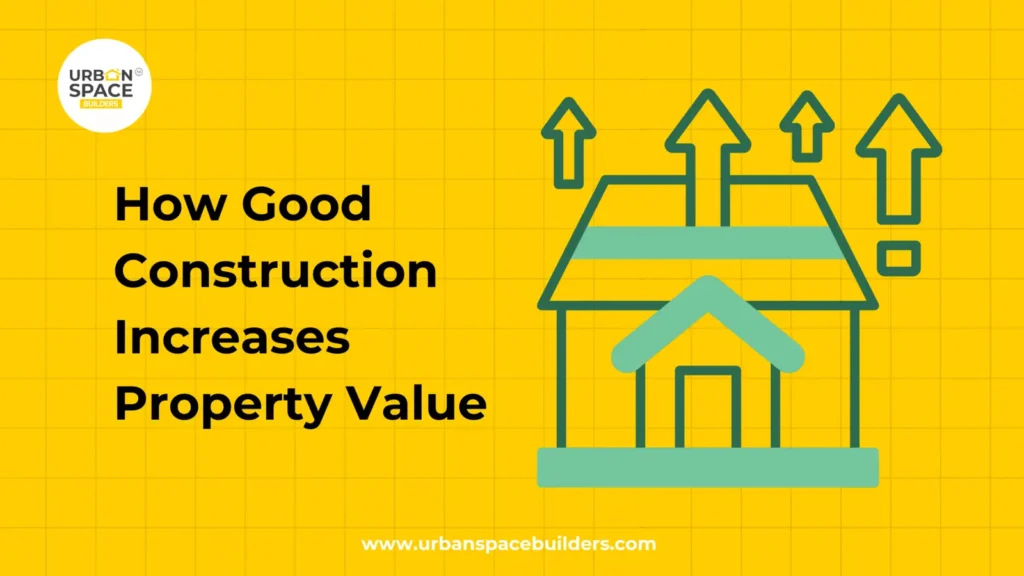
Building a home is one of the biggest investments for many families. While location, land value, and market conditions affect the price of a property, the quality of the building itself also plays an important role in its long-term value.
A home may look attractive when construction is newly completed, but its real quality becomes clearer over time. Structural problems, water leakage, poor finishing, plumbing issues, and frequent repairs can affect how homeowners and potential buyers view a property.
This is why quality construction should be considered an investment rather than simply an expense. At Urban Space Builders, the focus is on helping homeowners understand the importance of proper planning, suitable materials, engineering support, and construction supervision.
In this article, we explain how construction quality affects property value and what homeowners can do to build a home that retains its value over the years.
What Is Quality Construction?
Quality construction means completing a building project with proper planning, suitable materials, skilled workmanship, engineering guidance, and regular quality checks.
It does not necessarily mean choosing the most expensive materials for every part of the home. Instead, it means selecting the right materials and construction methods based on the requirements of the project.
A quality home construction process usually includes:
- Proper foundation planning
- Structural design and engineering
- Suitable concrete and steel reinforcement
- Quality building materials
- Skilled labour and workmanship
- Effective waterproofing
- Safe electrical and plumbing work
- Regular site supervision
- Systematic quality inspection
When these areas are handled carefully, homeowners can benefit from a stronger, safer, and more durable property.
How Does Construction Quality Affect Property Value?
Construction quality can influence both the current condition and long-term appeal of a residential property.
A well-built home is generally easier to maintain and may create greater confidence among potential buyers. Features such as structural strength, good finishing, reliable plumbing, proper waterproofing, and quality electrical work can make a significant difference to how a property is perceived.
Poor construction, on the other hand, can lead to problems such as cracks, leakage, damaged finishes, drainage issues, and frequent maintenance requirements.
Good construction can support property value by:
- Improving structural durability
- Reducing future maintenance requirements
- Enhancing the appearance of the home
- Increasing buyer confidence
- Supporting better resale potential
- Improving safety and daily comfort
- Helping the property remain functional for longer
Why Is Quality Construction Important for Long-Term Property Value?
1. It Can Reduce Maintenance Costs
One of the major benefits of quality construction is the potential reduction in frequent repair work. Proper workmanship and suitable materials can help prevent avoidable problems.
For example, effective waterproofing can reduce the risk of water leakage, while properly installed plumbing can help prevent recurring issues. Although every home requires maintenance, a well-executed construction process can reduce problems caused by poor workmanship.
2. It Improves Structural Strength
The foundation and structural system are among the most important parts of a home. Proper planning by qualified professionals helps ensure that the building is designed and constructed according to its requirements.
Homeowners should avoid unnecessary compromises in important structural work simply to reduce the initial house construction cost.
3. It Builds Buyer Confidence
When buyers consider a residential property, they often look beyond the location and appearance. The overall condition of the building can influence their decision.
A home with visible leakage, cracks, damaged finishes, or poorly maintained systems may create concerns. A well-maintained and professionally constructed property can create greater confidence.
What Construction Features Can Help Increase Home Value?
1. Strong Foundation Quality
A building requires a properly planned foundation based on the requirements of the site and structure. Foundation quality supports the long-term stability of the home and should receive careful attention during the early stages of construction.
2. Suitable Construction Materials
Quality building materials play an important role in durability and performance. Concrete, steel reinforcement, electrical components, plumbing materials, flooring, and finishing products should be selected based on suitability and project requirements.
The goal is not simply to choose the highest-priced option. Homeowners should focus on materials that provide appropriate quality and long-term value.
3. Effective Waterproofing
Waterproofing is particularly important for roofs, bathrooms, balconies, and other areas exposed to moisture.
Water leakage can damage walls, ceilings, paint, and interiors. Addressing waterproofing problems after construction can also be more complicated than planning the work correctly from the beginning.
4. Professional Site Supervision
Regular site supervision helps monitor construction progress and identify potential execution issues at different stages.
An engineer-supervised construction process can help ensure that important work is reviewed as the project progresses rather than discovering problems only after completion.
5. Quality Electrical and Plumbing Work
Electrical and plumbing systems affect both daily comfort and long-term maintenance.
Proper installation, suitable materials, and careful execution can reduce the risk of recurring repair issues and improve the overall functionality of the home.
How to Build a House That Retains Its Value
Step 1: Plan Before Construction Begins
Start with a clear understanding of your budget, family requirements, design preferences, and construction priorities. Good planning can reduce unnecessary changes during construction.
Step 2: Work With Qualified Professionals
Architects, structural engineers, civil engineers, and experienced construction professionals can help homeowners make informed decisions throughout the project.
Step 3: Prioritise Structural Quality
Important structural components should not be compromised for short-term savings. Focus on proper design, engineering, reinforcement, and construction practices.
Step 4: Choose Materials Carefully
Compare materials based on quality, suitability, durability, and maintenance requirements. The cheapest option may not always provide the best long-term value.
Step 5: Conduct Quality Checks
Construction quality should be monitored throughout the project. Important stages such as foundation work, reinforcement, concrete work, waterproofing, plumbing, and electrical installation should receive appropriate attention.
Step 6: Maintain the Home After Handover
Even a quality home needs regular maintenance. Addressing small issues early can help preserve the property’s appearance and performance.
Common Mistakes That Can Affect Property Value
- Choosing Only the Lowest-Cost Construction Option
A lower initial quote may appear attractive, but homeowners should understand the scope of work, materials, quality standards, and services included before making a decision.
Better approach: Compare overall value instead of price alone.
- Ignoring Site Supervision
Without proper monitoring, small execution issues may continue unnoticed.
Better approach: Ensure important stages receive regular construction supervision and quality inspection.
- Compromising on Waterproofing
Leakage can create long-term maintenance problems and affect the appearance of the property.
Better approach: Include proper waterproofing during construction.
- Making Frequent Changes During Construction
Major changes after construction begins can affect costs, timelines, and coordination.
Better approach: Finalise important design and planning decisions before major construction work starts.
Conclusion
Good construction is an important part of building a property that remains safe, functional, attractive, and valuable over time. From foundation quality and structural planning to waterproofing, materials, finishing, and site supervision, every stage of construction can influence the long-term performance of a home.
For homeowners planning quality home construction in Chennai, focusing only on the initial cost may not always lead to the best long-term outcome. Proper planning and informed construction decisions can help reduce avoidable maintenance concerns and protect the overall condition of the property.
Urban Space Builders supports homeowners with residential construction, architectural design, structural planning, site supervision, project management, and construction cost guidance. By focusing on organised planning and quality-focused execution, homeowners can make better decisions for their current needs and long-term property value.
If you are planning to build your dream home, start by focusing on the construction decisions that can help your property remain strong, durable, and valuable for years to come.
Also Check: Construction Mistakes That Can Reduce Property Value
Recent Posts
What Questions Should You Ask During a Site Visit? A …
Let's Build Your Dream Home Now!
What Questions Should You Ask During a Site Visit? A construction site visit gives you much more information than a brochure, quotation …
What Questions Should You Ask During a Site Visit? A construction site visit gives you much more information than a brochure, quotation …
What Questions Should You Ask During a Site Visit? A construction site visit gives you much more information than a brochure, quotation …
How Staircase Design Affects Space and Comfort in a Home A staircase may occupy only one part of a house, but its …
Frequently Asked Questions
1. Does quality construction increase property value?
Yes, quality construction can improve a property’s long-term appeal by supporting structural durability, better performance, lower maintenance requirements, and stronger buyer confidence. Location and market conditions also affect property value, but construction quality remains an important factor.
2. How do construction materials affect property value?
Construction materials influence durability, maintenance needs, appearance, and overall building performance. Suitable quality materials can help a home remain in better condition over time, which may support stronger buyer confidence and resale potential.
3. Does a well-built house have a higher resale value?
A well-built and properly maintained house can be more attractive to potential buyers. Structural condition, visible quality, maintenance history, location, design, and current market conditions all contribute to the final resale value.
4. Why is site supervision important in house construction?
Site supervision helps monitor whether construction work follows approved plans and project requirements. Regular checks can identify execution issues early and support better quality control throughout the construction process.
5. How can homeowners in Chennai protect long-term property value?
Homeowners can focus on quality planning, suitable materials, proper waterproofing, structural guidance, regular supervision, and ongoing maintenance. These decisions can help preserve the building’s condition and long-term residential appeal.