
What Questions Should You Ask During a Site Visit? A …
How to Manage Design Choices Without Delaying Construction
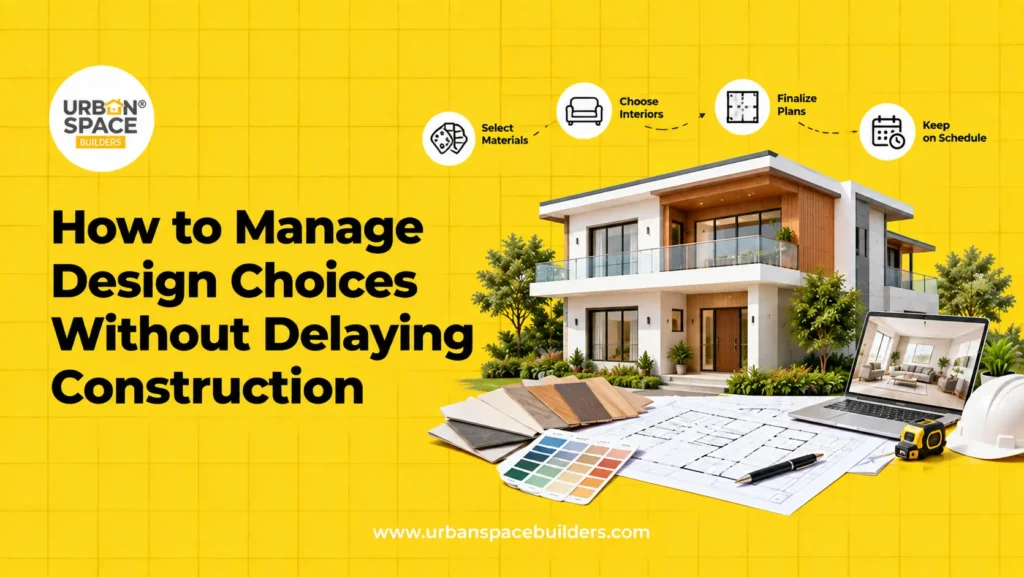
Building a home involves hundreds of decisions, from room layouts and electrical points to tiles, doors, paint colours and kitchen finishes. When these decisions are delayed, construction work may slow down or completed work may need to be changed.
Effective Construction Design Decision Management helps homeowners make the right choices at the right stage. For families planning a home in Chennai, proper coordination between the homeowner, architect, engineer and construction team can reduce confusion and keep the project moving smoothly.
At Urban Space Builders, planning design decisions along with the construction schedule helps homeowners understand what needs to be finalized and when.
What Is Construction Design Decision Management?
Construction Design Decision Management is the process of planning, organizing and approving design-related choices according to the construction schedule. Instead of selecting everything at the last minute, homeowners divide decisions into different stages.
For example:
- Room layouts are finalized before major construction begins.
- Electrical points are planned before electrical conduits are installed.
- Plumbing points are confirmed before bathroom finishing work.
- Tiles are selected before flooring work starts.
- Doors and windows are finalized before their installation stage.
- Paint colours are selected before painting begins.
This approach helps the site team continue construction without repeatedly waiting for homeowner approvals.
Why Are Timely Design Decisions Important in Home Construction?
Every design choice can affect another part of the construction process.
Changing a bathroom layout after plumbing lines are installed may require rework. Adding electrical points after walls are finished may require cutting completed surfaces. Changing flooring materials late may also affect procurement schedules.
Timely decisions help homeowners achieve:
- Better construction planning
- Fewer interruptions
- Reduced rework
- Better budget control
- Easier material procurement
- Improved coordination
- More predictable project timelines
- Better finishing quality
Good Home Construction Planning therefore includes both construction activities and homeowner approvals.
Which Design Choices Should Be Finalized Early?
Some decisions have a greater impact on construction than others.
Floor Plan and Room Layout
The overall room arrangement should be finalized before structural work progresses significantly.
Decisions may include:
- Bedroom locations
- Kitchen position
- Bathroom layout
- Staircase location
- Balcony position
- Storage requirements
- Door openings
- Window positions
Frequent layout changes can affect architectural drawings, structural planning and construction execution.
Electrical Planning
Electrical decisions should ideally be made before walls reach the finishing stage.
Plan:
- Switch points
- Plug points
- TV points
- AC locations
- Wi-Fi router positions
- Appliance connections
- Lighting points
- Outdoor electrical requirements
Thinking about daily activities in each room helps homeowners decide where electrical points are actually required.
Plumbing Planning
Bathroom and kitchen plumbing decisions should also happen early.
Confirm:
- Washbasin location
- Shower area
- Toilet position
- Kitchen sink
- Washing machine point
- Water heater point
- Utility connections
Moving these later may require changes to plumbing lines
Door and Window Selection
Door and window sizes, positions and basic specifications should be confirmed before related masonry and finishing stages.
Changing dimensions later can create unnecessary modification work.
How Can You Manage Design Choices Without Delaying Construction?
A structured process makes construction decision making much easier.
1. Create a Construction Decision Checklist
List every major decision required during the project.
Divide the list into categories such as:
- Structural decisions
- Electrical decisions
- Plumbing decisions
- Flooring
- Doors and windows
- Kitchen
- Bathrooms
- Lighting
- Paint
- Interior finishes
This prevents important choices from being forgotten.
2. Connect Decisions to the Construction Timeline
Every selection should have a deadline based on when it is needed at the site.
For example, flooring selection should happen before the contractor needs to order tiles.
This gives homeowners enough time to compare products without delaying work.
3. Finalize High-Impact Decisions First
Not every decision has the same urgency.
Prioritize choices that affect structural work, electrical systems, plumbing and material procurement before decorative decisions such as final wall colours.
4. Understand Material Lead Time
Some products may not be available immediately.
Custom doors, special tiles, sanitary fittings, windows, lighting products and certain finishing materials may require additional delivery time.
Selecting them early gives the project team enough time for procurement planning.
5. Set a Design Freeze Date
A design freeze means that major approved decisions should not be changed after a certain stage unless necessary.
This does not mean homeowners cannot make any changes. It simply helps prevent repeated modifications that may affect construction progress.
6. Keep All Approvals Recorded
Important approvals should be documented.
Record:
- Selected product
- Brand or specification
- Colour
- Size
- Quantity
- Approval date
- Expected delivery
- Related construction stage
Clear records reduce misunderstandings between homeowners, architects, suppliers and the construction team.
7. Conduct Regular Review Meetings
Short scheduled discussions with the architect, project manager or site engineer can help homeowners understand upcoming decisions.
Instead of asking, “What do I need to select now?”, the construction team can explain what will be required during the next two or three stages.
How Do Late Design Changes Affect Construction Timelines?
Late design changes can create a chain reaction.
For example, imagine that electrical wiring and wall finishing are completed. If the homeowner later decides to move the television unit to another wall, new wiring may be required.
The team may need to:
- Mark the new point.
- Cut the finished wall.
- Install new electrical lines.
- Close the wall again.
- Apply finishing material.
- Repaint the affected area.
A small design decision can therefore create additional labour, materials and time. The earlier decisions are finalized, the easier it becomes to prevent such rework.
How Should Material Selection Be Planned?
Material selection should follow the construction sequence rather than personal preference alone.
Homeowners can create separate selection groups for:
- Flooring
- Bathroom tiles
- Sanitary fittings
- Kitchen finishes
- Doors
- Windows
- Paint
- Lighting
- Electrical fittings
- Plumbing fixtures
- Interior materials
Start shortlisting options several weeks before they are required. It is also useful to have a second acceptable option when choosing products that may face stock or delivery issues.
How Can Homeowners Make Faster Design Decisions?
Too many options often make decisions harder.
A practical method is to limit each selection to around three suitable options based on:
- Budget
- Quality
- Maintenance
- Appearance
- Availability
- Durability
For example, instead of comparing twenty floor tiles, ask the architect or designer to shortlist three options that match your budget and overall home style.
This makes Managing Design Choices in Construction much simpler.
Who Should Be Involved in Construction Design Decisions?
- Clear responsibilities prevent confusion.
- The architect can guide space planning, appearance and architectural coordination.
- The structural engineer handles decisions affecting structural safety.
- The site engineer ensures approved drawings and specifications are followed during construction.
- The project manager coordinates activities, timelines and different teams.
- The homeowner gives final approvals based on requirements, preferences and budget.
- When everyone understands their role, decision making becomes more organized.
How Can NRI and Busy Homeowners Manage Design Approvals?
For NRI homeowners and working professionals in Chennai, frequent site visits may not always be practical. A structured digital approval system can help.
The construction team can share:
- Drawings
- Product options
- Site photographs
- Progress updates
- Material information
- Pending approval lists
Homeowners can then review decisions remotely without waiting for the next physical site visit. Regular progress tracking also makes it easier to identify decisions that need attention before they affect the construction schedule.
Read More: What Questions Should You Ask During a Site Visit?
Key Takeaways
- Construction decisions should follow the project schedule.
- Structural, electrical and plumbing choices should be finalized early.
- Late design changes can create rework and additional expenses.
- Material availability should be checked before final approval.
- A construction decision checklist helps homeowners stay organized.
- Architects, engineers, contractors and homeowners should communicate regularly.
- Design freeze dates can reduce unnecessary changes.
- Proper planning helps maintain smoother construction progress.
Conclusion
A beautiful home requires many personal choices, but those choices should not interrupt construction progress. Effective Construction Design Decision Management helps homeowners decide what needs to be finalized, when it is required and who should be involved.
For people planning home construction in Chennai, early architectural planning, material selection, documented approvals, site supervision and regular progress tracking can make the entire process more organized.
Urban Space Builders supports residential home construction through architectural design, structural coordination, project management, site supervision and construction progress tracking. If you are planning to build an individual or custom home in Chennai, discussing your requirements early can help create a clearer path from design to completion.
Also Check: How to Plan Parking Space During Residential Construction
Recent Posts
What Questions Should You Ask During a Site Visit? A …
Let's Build Your Dream Home Now!
What Questions Should You Ask During a Site Visit? A construction site visit gives you much more information than a brochure, quotation …

What Questions Should You Ask During a Site Visit? A construction site visit gives you much more information than a brochure, quotation …

What Questions Should You Ask During a Site Visit? A construction site visit gives you much more information than a brochure, quotation …
How Staircase Design Affects Space and Comfort in a Home A staircase may occupy only one part of a house, but its …
Frequently Asked Questions
1. What is Construction Design Decision Management?
Construction Design Decision Management is the process of organizing, scheduling and approving home design choices according to the construction timeline so that work can continue without unnecessary interruptions.
2. What design decisions should be made before construction starts?
Homeowners should ideally finalize the floor plan, room layout, staircase position, major door and window openings, basic electrical requirements, plumbing layout and structural requirements before major construction begins.
3. Why do late design changes cause construction delays?
Late changes may require completed work to be modified, materials to be reordered or workers to repeat tasks. These activities can affect both the construction schedule and project budget.
4. How can I track pending design decisions?
Maintain a simple checklist containing the decision, deadline, responsible person, approval status and material delivery date. Review the list regularly with your project manager or site engineer.
5. Can a construction company help manage home design decisions?
Yes. A residential construction company with architectural design, engineering, project management and site supervision services can coordinate upcoming decisions with the construction schedule and inform homeowners when approvals are required.