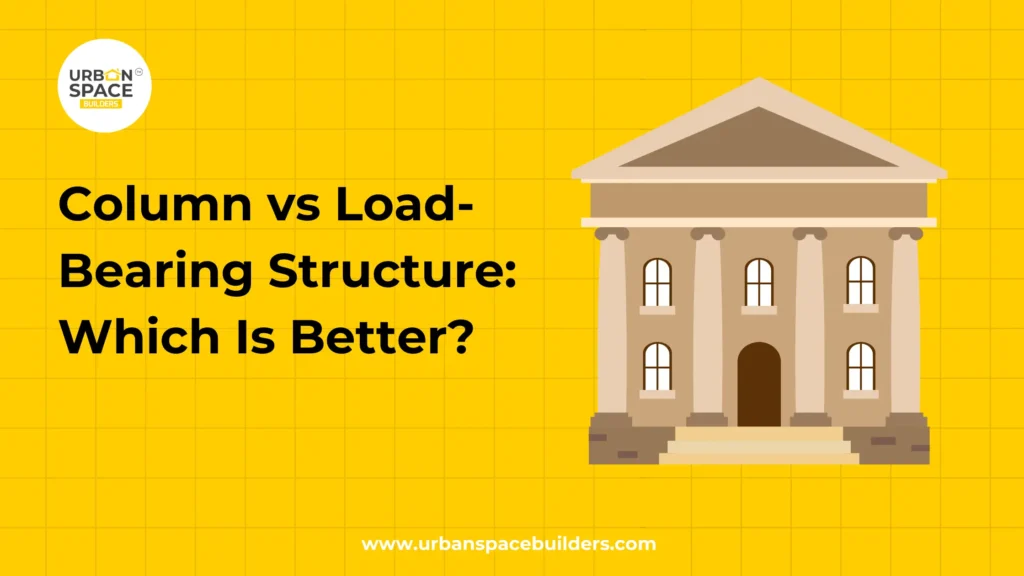
Column vs Load-Bearing Structure: Which Is Better for Your Home Construction?

Column vs Load-Bearing Structure Which Is Better

When planning a new home, one of the biggest structural decisions homeowners face is choosing between a column structure (RCC framed structure) and a load-bearing structure. This decision directly affects your home’s strength, future expansion possibilities, design flexibility, construction cost, and long-term durability.

Many homeowners in Chennai and other growing cities prefer modern RCC framed structures because of their flexibility and safety. However, load-bearing construction is still commonly used for smaller homes and budget-friendly projects.

At Urbanspace Builders, we help homeowners choose the right structural system based on budget, plot size, future plans, and construction goals.

In this blog, let’s understand the difference between column structures and load-bearing structures, their advantages, disadvantages, and which one is better for your home construction project.

What Is a Load-Bearing Structure?

A load-bearing structure is a traditional construction method where the walls carry the entire load of the building and transfer it directly to the foundation. In this type of construction, walls are thicker because they support the weight of the roof and upper floors.

Load-bearing construction is generally used for:

  • Small independent houses
  • Ground floor homes
  • Ground +1 structures
  • Rural or traditional buildings

In this system, removing or modifying walls later becomes difficult because the walls are structural components.

What Is a Column Structure (RCC Framed Structure)?

A column structure, also called an RCC framed structure, uses columns, beams, and slabs to transfer the building load to the foundation instead of depending on walls.

In this type of construction:

  • Columns support vertical loads
  • Beams distribute loads horizontally
  • Walls act mainly as partitions

This is the most widely used construction method in modern residential and commercial buildings.

Column structures are ideal for:

  • Multi-floor homes
  • Villas
  • Apartments
  • Modern architectural designs
  • Future floor expansion

Difference Between Column and Load-Bearing Structure

Load Transfer System

In a load-bearing structure, the walls carry the entire building load. In a column structure, columns and beams handle the structural load while walls mainly divide spaces.

Design Flexibility

Load-bearing structures offer limited flexibility because walls cannot be removed easily. Column structures provide greater design freedom for open layouts, wider rooms, and modern interiors.

Future Expansion

Load-bearing structures are suitable mainly for smaller homes with fewer floors. Column structures are better for future floor additions and large residential projects.

Structural Strength

RCC framed structures are stronger and more durable for long-term residential construction, especially in urban environments.

Earthquake Resistance

Column structures generally perform better during earthquakes because the load distribution is handled through beams and columns.

Carpet Area

Load-bearing walls are thicker and consume more interior space. Column structures use thinner partition walls, giving homeowners more usable carpet area.

Construction Cost

Load-bearing structures usually have lower initial costs, while RCC framed structures require more steel, concrete, and engineering.

Advantages of Load-Bearing Structure

Lower Initial Construction Cost

Load-bearing structures require less steel and concrete, making them budget-friendly for smaller houses.

Simple Construction Process

This method is comparatively simple and works well for compact residential projects.

Better Thermal Insulation

Thicker walls help maintain indoor temperature naturally.

Suitable for Small Homes

If you are planning a compact Ground or Ground +1 house, load-bearing construction can be a practical option.

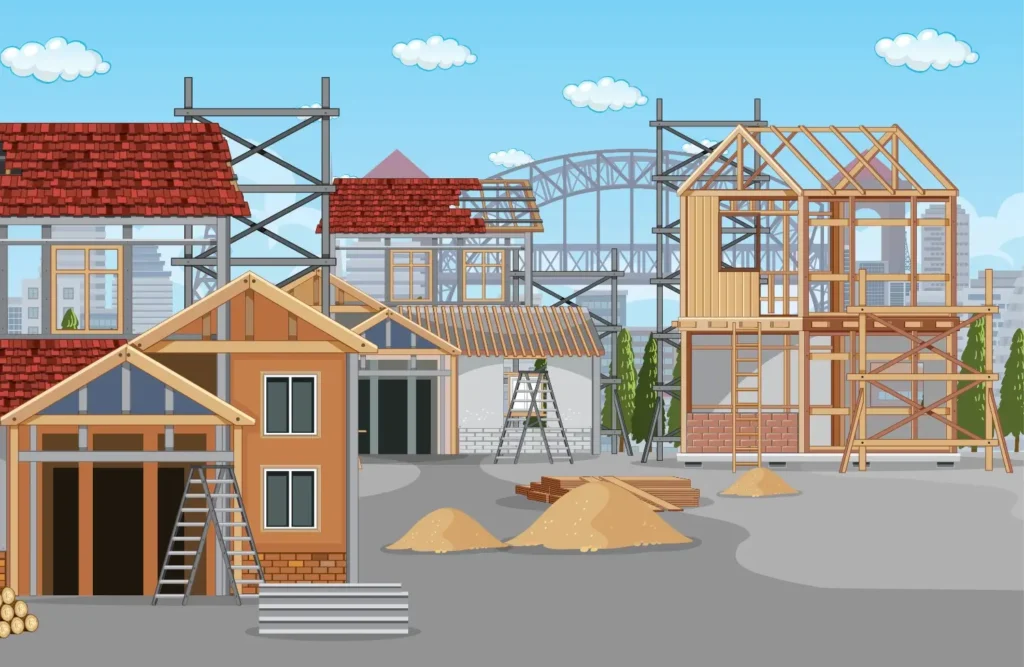
RCC framed structure

Disadvantages of Load-Bearing Structure

Limited Future Expansion

Adding multiple floors later becomes difficult and expensive.

Less Flexibility

Walls cannot be modified easily because they carry structural loads.

Reduced Carpet Area

Thicker walls reduce usable living space.

Lower Earthquake Resistance

Compared to RCC framed structures, load-bearing systems may not perform as effectively during seismic activity.

Advantages of Column Structure

Excellent Structural Strength

Column structures distribute building loads efficiently, making them highly durable and stable.

Ideal for Multi-Storey Buildings

RCC framed structures are perfect for future expansion and additional floors.

Modern Design Freedom

Homeowners can create:

  • Open kitchens
  • Spacious living rooms
  • Large windows
  • Modern elevations
  • Flexible interiors

Better Earthquake Resistance

Column structures provide improved safety in earthquake-prone conditions.

Easier Renovation

Interior walls can be modified or redesigned without affecting the building structure.

More Carpet Area

Thin partition walls create more usable interior space.

Disadvantages of Column Structure

Higher Initial Cost

RCC framed structures require:

  • Steel reinforcement
  • Concrete work
  • Skilled labor
  • Structural engineering

This increases the overall construction budget.

Technical Planning Required

Professional structural planning is necessary for safe execution.

Longer Planning Process

Engineering calculations and approvals may take more time before construction begins.

Before starting your home construction project, it is important to understand legal approvals and regulations. Read our detailed guide on Construction Rules and Approvals

Which Structure Is Better for Your Home?

The right choice depends on:

  • Budget
  • Plot size
  • Soil condition
  • Future expansion plans
  • Design preferences
  • Location

Choose Load-Bearing Structure If:

  • You are building a small home
  • You have a limited budget
  • You do not plan future expansion
  • Your home is Ground or Ground +1

Choose Column Structure If:

  • You want a modern house
  • You plan future floor expansion
  • You prefer flexible interior layouts
  • You want long-term durability
  • You are constructing in urban areas like Chennai

Today, most modern residential buildings prefer RCC framed structures because they offer better safety, flexibility, and long-term value.

Cost Comparison Between Column and Load-Bearing Structure

Many homeowners think load-bearing construction is always cheaper. While the initial cost may be lower, future renovations and structural modifications can become expensive.

Column structures may cost more initially, but they provide:

  • Better future expansion
  • Higher structural stability
  • Improved resale value
  • Easier remodeling

If you are planning your home construction budget, you can also read: Turnkey Construction vs Labour Contract

Why Modern Homes Prefer RCC Column Structures

Modern homeowners prefer column structures because today’s lifestyles demand:

  • Spacious interiors
  • Open floor plans
  • Multiple floors
  • Smart layouts
  • Better structural safety
  • Future-ready construction

RCC framed structures also support modern architecture and premium home designs more effectively.

You can explore completed residential works here: Urbanspace Builders Projects

Final Thoughts

Both load-bearing and column structures have their own benefits. However, for modern urban homes, RCC framed column structures are usually the better long-term investment because of their durability, flexibility, and future expansion possibilities.

If your goal is to build a modern, spacious, and future-ready home, a column structure is generally the recommended option.

At Urbanspace Builders, we help homeowners choose the right construction method based on structural safety, budget planning, and long-term goals.

Whether you are planning a compact home or a luxury villa, selecting the right structure is the foundation of a safe and successful home construction project.

Final Thoughts

  1. Which is stronger: column structure or load-bearing structure?

Column structures are generally stronger and more suitable for multi-floor buildings.

  1. Is load-bearing construction cheaper?

Yes, load-bearing structures usually have lower initial costs for smaller homes.

  1. Can I build additional floors on a load-bearing structure?

It is possible only to a limited extent. RCC framed structures are better for future expansion.

  1. Which structure is best for earthquake resistance?

RCC column structures usually provide better earthquake resistance.

  1. Which structure is best for modern home construction?

For modern homes with flexible layouts and future expansion plans, RCC column structures are the preferred choice.

Recent Posts

Most Popular Home Designs Chosen by Chennai Homeowners Chennai homeowners …

Most Popular Home Designs Chosen by Chennai Homeowners Chennai homeowners …

Let's Build Your Dream Home Now!

How Soil Conditions in Chennai Affect Construction

Most Popular Home Designs Chosen by Chennai Homeowners Chennai homeowners today are looking for homes that combine modern aesthetics, functionality, comfort, and …

Column vs Load-Bearing Structure Which Is Better

Most Popular Home Designs Chosen by Chennai Homeowners Chennai homeowners today are looking for homes that combine modern aesthetics, functionality, comfort, and …

How to Maintain Your Home After Construction Is Completed

Most Popular Home Designs Chosen by Chennai Homeowners Chennai homeowners today are looking for homes that combine modern aesthetics, functionality, comfort, and …

How to Maintain Your Home After Construction Is Completed

How to Handle Design Changes During Construction Building a home or commercial property is an exciting journey, but it is also a …

Scroll to Top