
Key Stages of a Residential Construction Project Explained Building your …
Mistakes in House Layout That Affect Daily Living
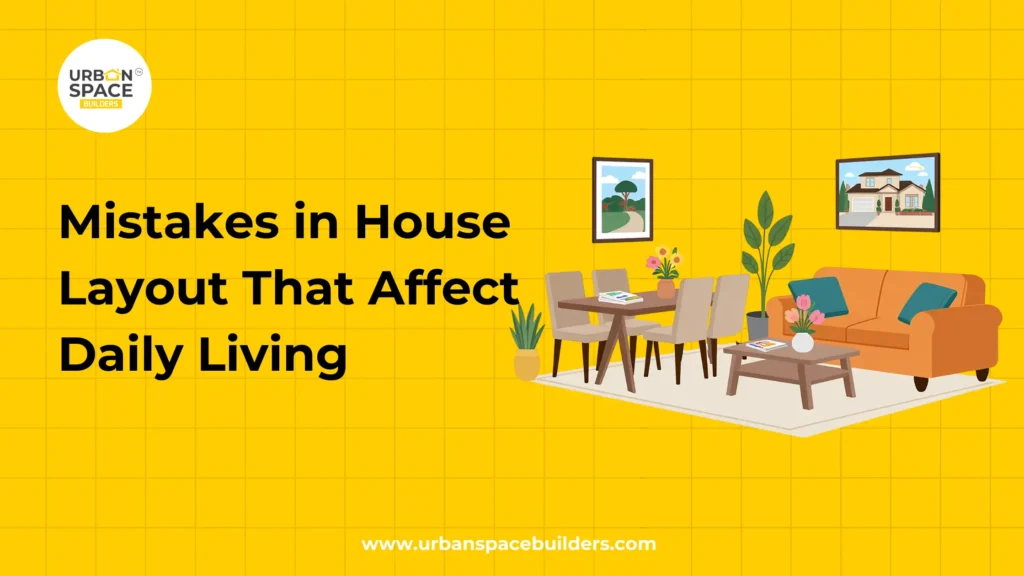
Building a dream home is not just about beautiful elevations, expensive interiors, or modern architecture. The real comfort of a home comes from how well the layout supports your daily activities. Many homeowners focus heavily on aesthetics and forget that poor planning can affect everyday life for years.
A house may look stunning from the outside but become frustrating to live in because of poor room placement, inadequate ventilation, insufficient storage, or inefficient circulation spaces. Experts often note that layout issues become noticeable only after people start living in the house, making corrections expensive and difficult.
If you are planning a new home, understanding these common house layout mistakes can save significant time, money, and stress.
For professional residential planning and construction solutions, visit Urban Space Builders.
1. Ignoring Daily Lifestyle Requirements
One of the biggest mistakes homeowners make is choosing a floor plan based solely on appearance.
A layout should support how your family lives every day. For example:
- Work-from-home professionals need dedicated workspaces.
- Families with children require open supervision areas.
- Elderly family members need easy accessibility.
- Joint families require privacy between rooms.
When functionality is ignored, rooms may look attractive but feel uncomfortable and inconvenient. Proper planning should always prioritize lifestyle before aesthetics.
2. Poor Room Placement
The positioning of rooms plays a major role in comfort and convenience.
Common mistakes include:
- Bedrooms facing noisy roads.
- Kitchens placed far from dining spaces.
- Bathrooms opening directly into living areas.
- Utility spaces located inconveniently.
Poor room arrangement creates unnecessary movement throughout the house and affects privacy. A well-designed home should have logical room connections that make daily routines easier and more efficient.
3. Inadequate Ventilation and Natural Light
Many homeowners realize the importance of ventilation only after moving into their home.
Poor window placement can lead to:
- Dark interiors
- Poor air circulation
- Increased electricity consumption
- Moisture buildup
- Uncomfortable indoor temperatures
Experts consistently identify insufficient natural light and ventilation as one of the most common home design mistakes. Properly positioned windows improve comfort, energy efficiency, and overall well-being.
4. Creating Rooms That Are Too Small
Trying to fit too many rooms into limited space often results in undersized areas.
Common problems include:
- Small bedrooms
- Cramped kitchens
- Tight bathrooms
- Limited furniture placement
Rooms that are too small reduce comfort and restrict future flexibility.
Architects recommend designing rooms according to their intended purpose rather than simply maximizing the number of spaces available. Poor room sizing can negatively affect both functionality and property value.
5. Overdoing Open Floor Plans
Open layouts are popular because they create a spacious appearance. However, excessive openness can cause problems.
Issues include:
- Lack of privacy
- Noise traveling throughout the house
- Reduced storage opportunities
- Poor zoning between spaces
Without proper planning, open floor plans can feel chaotic instead of comfortable.
Modern homes require balanced zoning between living, dining, and kitchen areas to maintain functionality while preserving openness.
6. Lack of Storage Planning
Storage is one of the most overlooked elements in home design. Many homeowners focus on visual appeal and forget practical storage needs.
This results in:
- Cluttered rooms
- Overcrowded wardrobes
- Poor organization
- Reduced usable space
Effective storage planning should include:
- Wardrobes
- Kitchen storage
- Utility cabinets
- Linen storage
- Seasonal storage
Proper storage integration helps maintain a clean and organized home.
7. Long and Narrow Hallways
Hallways often receive little attention during design.
Poor hallway planning can lead to:
- Wasted space
- Dark interiors
- Restricted movement
- Difficult furniture transportation
Instead of narrow corridors, designers recommend creating wider transition spaces that can serve additional purposes such as storage or decorative zones.
8. Poor Kitchen Layout
The kitchen is one of the most frequently used spaces in a home.
Common mistakes include:
- Insufficient counter space
- Poor appliance positioning
- Limited storage
- Narrow movement areas
A poorly planned kitchen can make cooking frustrating and inefficient. Proper kitchen design should ensure smooth movement between cooking, cleaning, and storage zones.
9. Ignoring Future Family Needs
Many homeowners design their house only for current requirements.
However, future changes often include:
- Growing families
- Aging parents
- Remote work requirements
- Additional storage needs
- Home office spaces
A flexible floor plan helps accommodate future changes without major renovations. Future-proof planning is considered one of the most important principles of modern residential construction.
10. Poor Circulation and Movement Flow
The way people move through a home significantly impacts comfort.
Common circulation mistakes include:
- Furniture blocking pathways
- Awkward room connections
- Central traffic cutting through living spaces
- Congested entrances
Good circulation planning ensures smooth movement between rooms while maintaining privacy and usability. Experts often identify poor flow as a major contributor to daily frustration within homes.
11. Incorrect Window Placement
Windows affect more than just natural light.
Poor placement can result in:
- Excessive heat gain
- Reduced privacy
- Limited airflow
- Poor exterior views
Strategic window positioning improves comfort, ventilation, aesthetics, and energy efficiency. Many modern homes suffer from poorly planned window locations despite having attractive elevations.
12. Not Calculating Space Requirements Properly
Many homeowners start construction without accurately estimating room sizes and built-up area requirements.
Before finalizing your floor plan, use a reliable construction calculator to understand:
- Built-up area
- Construction cost
- Material requirements
- Budget planning
You can use the Construction Calculator here: Best Construction Calculator in Chennai. This helps prevent costly design modifications during construction.
How Poor Layout Planning Can Increase Construction Problems
Layout mistakes often lead to:
- Frequent design revisions
- Construction delays
- Budget overruns
- Contractor disputes
- Material wastage
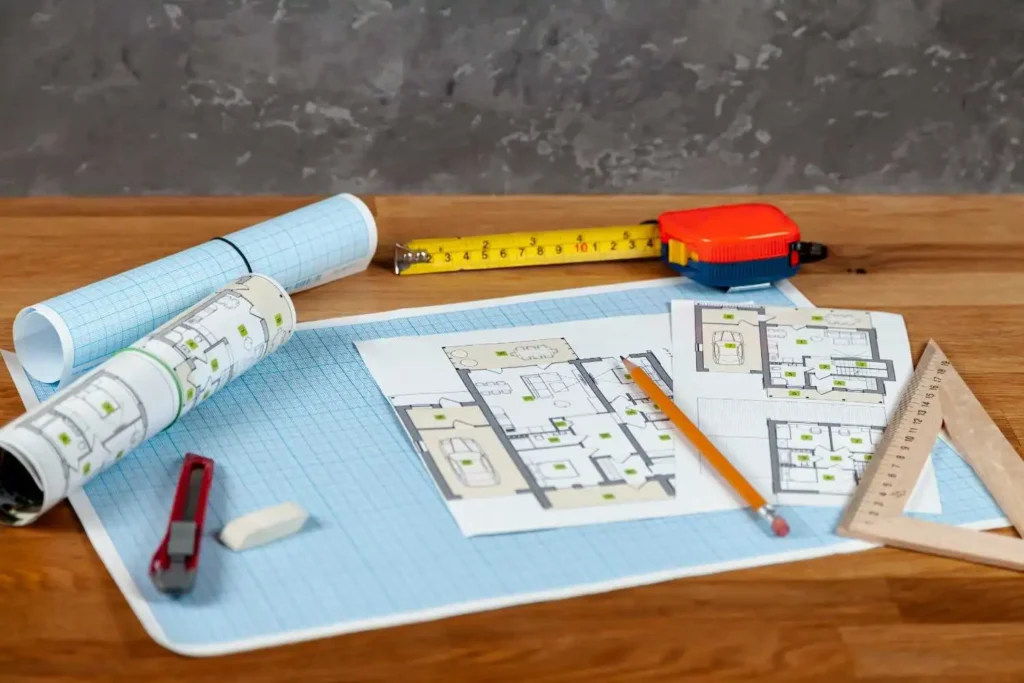
Many construction delays occur because homeowners make layout changes after work has already started.
Learn more here:
- How Construction Delays Happen and How to Avoid Them
- Builder vs Owner Conflicts: Causes, Problems and Smart Solutions
Proper planning before construction begins can significantly reduce these issues.

Conclusion
A beautiful house is not always a comfortable house. The true success of a home lies in how well it supports everyday living. Poor room placement, inadequate ventilation, insufficient storage, inefficient circulation, and improper sizing can affect your lifestyle for decades.
By working with experienced residential construction professionals and carefully evaluating your floor plan before construction starts, you can avoid costly mistakes and create a home that is practical, functional, and future-ready.
If you are planning your dream home, connect with Urban Space Builders for expert design, planning, and residential construction services tailored to modern living.
Recent Posts
Key Stages of a Residential Construction Project Explained Building your …
Let's Build Your Dream Home Now!
Key Stages of a Residential Construction Project Explained Building your dream home is one of the biggest investments you’ll ever make. However, …
Key Stages of a Residential Construction Project Explained Building your dream home is one of the biggest investments you’ll ever make. However, …
Key Stages of a Residential Construction Project Explained Building your dream home is one of the biggest investments you’ll ever make. However, …
Key Stages of a Residential Construction Project Explained Building your dream home is one of the biggest investments you’ll ever make. However, …
Frequently Asked Questions
1. What are the most common mistakes in a house layout?
Common house layout mistakes include poor room placement, inadequate ventilation, insufficient storage, small room sizes, poor kitchen planning, and inefficient movement between different areas of the house.
2. How does a poor house layout affect daily living?
A poor layout can make everyday activities inconvenient by creating unnecessary movement, reducing privacy, limiting natural light and ventilation, and making rooms feel cramped or uncomfortable.
3. Why is room placement important in house planning?
Proper room placement improves privacy, convenience, and movement within a home. For example, placing the kitchen close to the dining area and bedrooms away from noisy spaces can make daily living more comfortable.
4. How can I avoid mistakes when planning my house layout?
Consider your family’s lifestyle, daily routines, future requirements, storage needs, room sizes, ventilation, and movement flow before finalizing the floor plan. Consulting experienced architects and construction professionals can also help avoid costly mistakes.
5. Should I plan my house layout for future needs?
Yes. A good house layout should consider future changes such as a growing family, aging parents, additional storage requirements, or the need for a home office. Flexible planning can reduce the need for major renovations in the future.