Why Balcony Placement Matters in Modern Home Design A balcony …
Step by Step Guide to Buying a New Construction Home
Buying a new construction home is an exciting journey. You’re not just buying a house, you’re building your dream from the ground up. From choosing the plot to getting the keys, the process is unique and requires careful planning. With Urbanspace Builders, you get expert guidance at every stage, ensuring a smooth and stress-free home construction experience.
If you’re thinking about buying a newly built home, here’s a simple step-by-step guide to help you through the process.
1. Define Your Budget Clearly
Before meeting builders or selecting designs, fix your budget. This is the foundation of the entire process.
Consider:
- Down payment amount
- Home loan eligibility
- Construction cost per square foot
- Registration and stamp duty
- Interior, electrical, and landscaping costs
Having a clear budget helps you avoid delays and unexpected expenses later.
2. Choose the Right Location
Location plays a major role in comfort, daily convenience, and future resale value.
Look for:
- Easy access to schools, hospitals, and workplaces
- Good road connectivity and transport facilities
- Peaceful and safe neighborhoods
- Future development and infrastructure growth
For buyers in Chennai, choosing the right area also impacts construction approval and long-term appreciation.
Read More: Top Construction Myths Every Homeowner Should Know
3. Select a Reliable Builder
Choosing the right builder is one of the most important steps when buying a new construction home.
Check:
- Completed and ongoing projects
- Construction quality and materials used
- Customer reviews and testimonials
- RERA registration and legal approvals
A trusted builder ensures transparency, quality construction, and timely delivery.
4. Choose Your Plot or Home Unit
Once the builder and project are finalized, select your plot or apartment unit carefully.
Key points to consider:
- Plot size and dimensions
- Road facing or corner plots
- Vastu compliance, if preferred
- Natural light and ventilation
This step personalizes your home and impacts comfort for years to come.
5. Customize Your Floor Plan
One of the biggest advantages of new construction is customization.
You can:
- Decide the number of bedrooms and bathrooms
- Modify room sizes and layout
- Add balconies, pooja rooms, skylights, or storage areas
- Plan future expansion
A well-planned floor layout improves functionality and long-term usability.
6. Sign the Agreement and Begin Construction
After finalizing the plan, you will sign the builder buyer agreement.
It includes:
- Construction timeline
- Payment milestones
- Material specifications
- Warranty and handover details
Once signed, construction begins and you officially start building your new home.
7. Monitor Construction Progress
Regular site visits and communication with the builder are essential.
This helps ensure:
- Quality materials are used
- Construction follows approved plans
- Timely completion of each stage
- Agreed changes are implemented
Active involvement reduces errors and last-minute issues.
8. Final Inspection and Quality Check
Before handover, do a detailed inspection of the property.
Check:
- Structural quality
- Electrical and plumbing work
- Flooring, doors, and windows
- Finishing and safety standards
Any issues should be resolved before possession.
9. Property Registration and Documentation
Property registration legally transfers ownership to you.
Collect and verify:
- Sale deed
- Completion certificate
- Occupancy certificate
- Approved building plans
- All original documents
This step secures your investment and ownership rights.
10. Move In and Make It Your Own
Once registration is complete, it is time to move in. Add interiors, décor, and personal touches to make your house a home. Celebrate this milestone and start creating memories.
Final Thoughts
Buying a new construction home requires planning, patience, and the right guidance. When done correctly, it gives you a customized living space, better quality construction, and long-term peace of mind.
If you are planning to build a home in Chennai, UrbanSpace Builders supports you from plan approval to final handover. With transparent pricing, quality execution, and turnkey solutions, we help you build your dream home with confidence. You can also use our Home Construction Cost Calculator to estimate your budget accurately and plan your dream home with confidence. Let’s build your dream together.
Also Check: Duplex vs. Triplex Homes: Which Works Better for Families?
Recent Posts
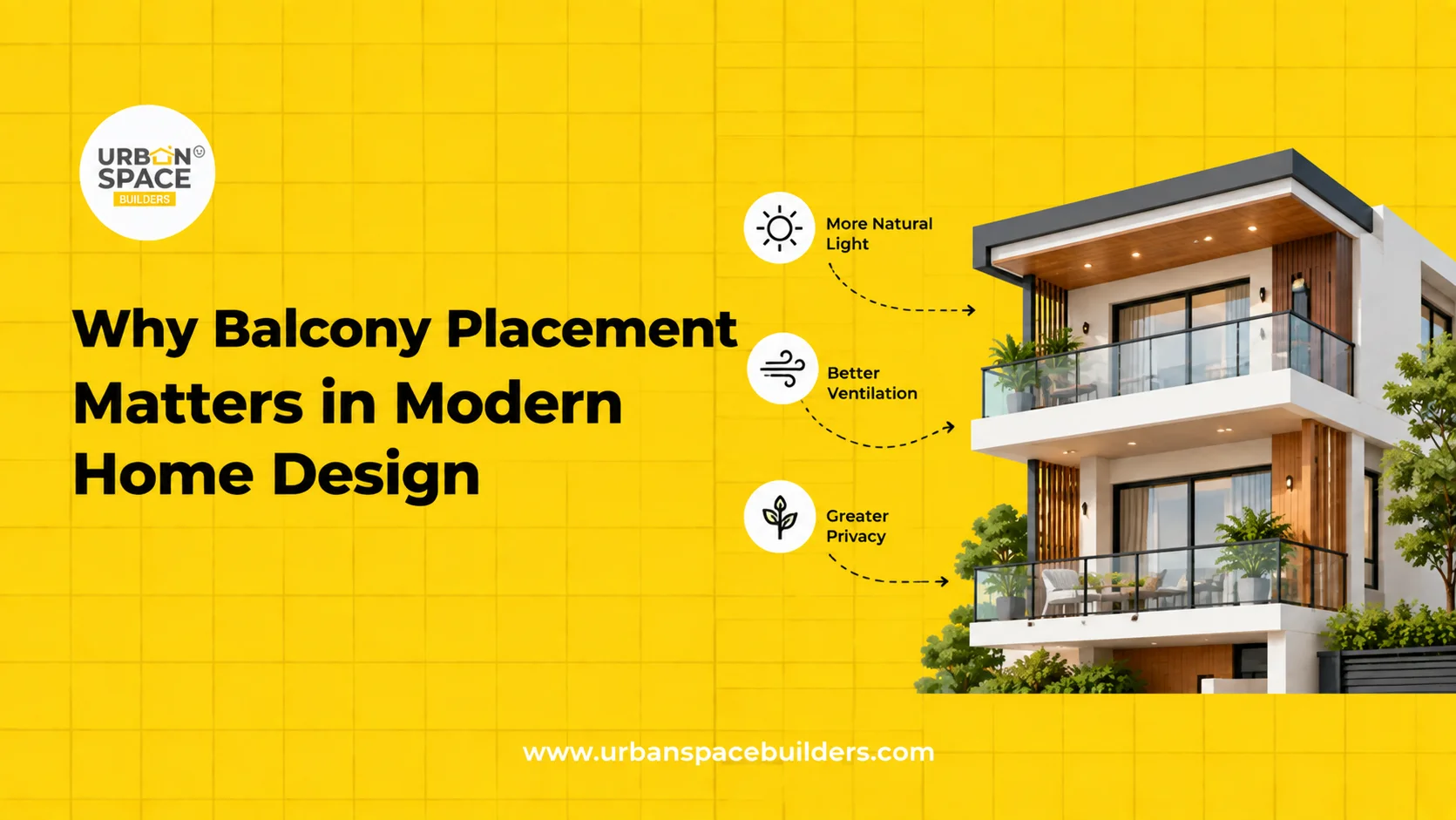
Why Balcony Placement Matters in Modern Home Design A balcony …
Let's Build Your Dream Home Now!
Why Balcony Placement Matters in Modern Home Design A balcony may look like a simple extension of a room, but its location …
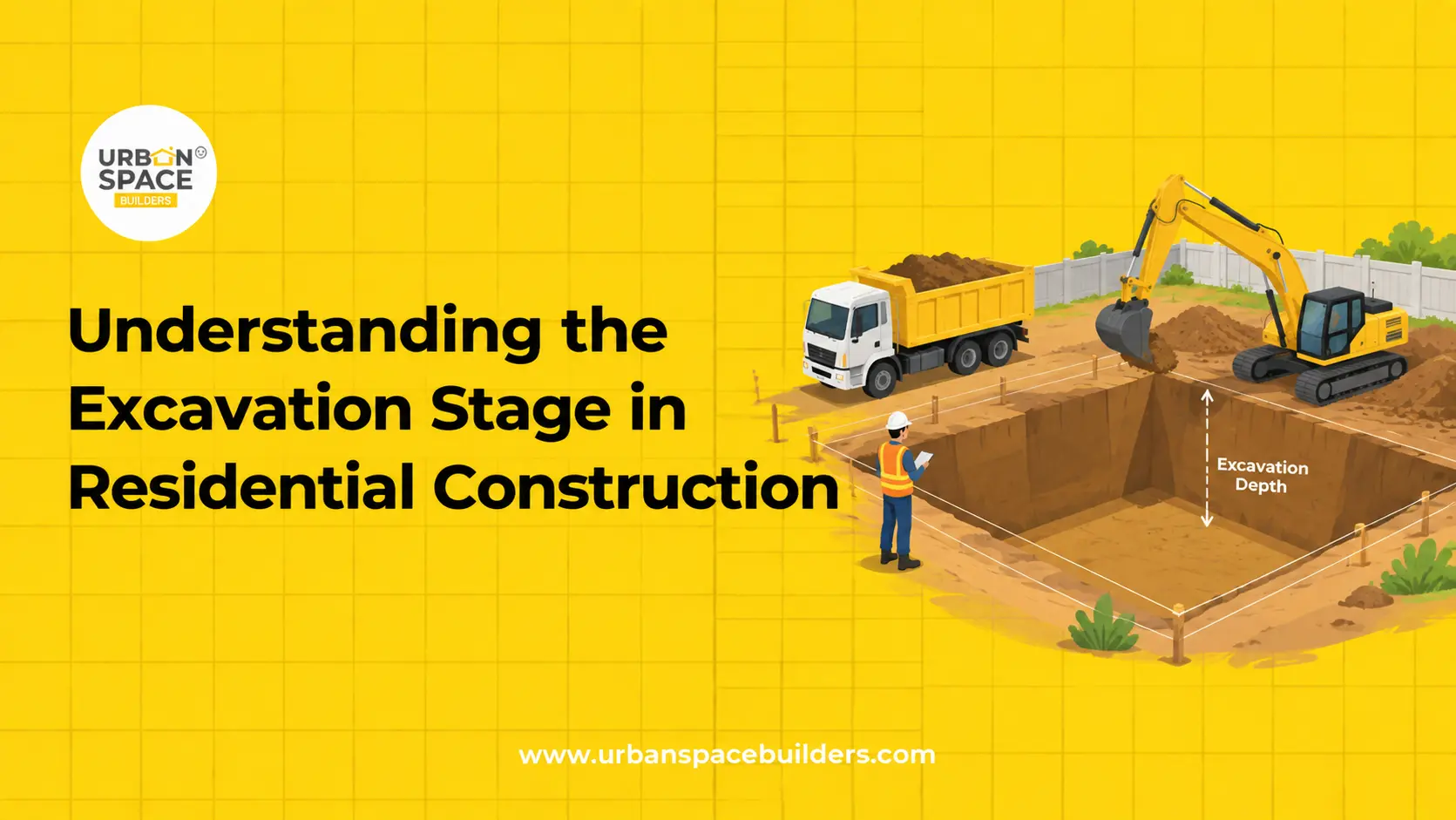
Key Stages of a Residential Construction Project Explained Building your dream home is one of the biggest investments you’ll ever make. However, …
Frequently Asked Questions
1. What should I check before buying a new construction home?
Before buying a new construction home, check the builder’s reputation, project approvals, construction quality, location, total cost, specifications, possession timeline, and legal documents.
2. What documents should I verify before buying a new construction home?
Buyers should verify property ownership documents, approvals, title documents, encumbrance details, sanctioned building plans, and other project-related legal documents before making a purchase.
3. How can I choose the right builder for a new construction home?
Compare the builder’s experience, completed projects, construction quality, customer reviews, transparency in pricing, project timelines, and after-sales support before making a decision.
4. What costs should I consider when buying a new construction home?
Apart from the property price, buyers should consider registration and stamp duty, legal charges, loan-related fees, maintenance deposits, parking or amenity charges, interiors, and utility connection expenses.
5. Should I inspect a new construction home before buying it?
Yes. A pre-purchase inspection can help identify construction defects, finishing issues, plumbing or electrical concerns, and other problems before the purchase is finalized. This can help buyers make a more informed decision.