
What Questions Should You Ask During a Site Visit? A …
What a Transparent Construction Process Looks Like
Building a home is a major financial and emotional investment. However, many homeowners worry about hidden costs, unclear timelines, poor communication, and uncertainty about what is happening at their construction site. A transparent construction process helps solve these concerns by keeping every important part of the project clear and easy to understand.
At Urban Space Builders, transparency is an important part of responsible home construction. From planning and cost estimation to material selection, site supervision, and project updates, homeowners should understand how their home is being built. This article explains what a transparent construction process looks like and how it can help homeowners in Chennai make better decisions.
What Is a Transparent Construction Process?
A transparent construction process means there are no unnecessary surprises. Before and during construction, the homeowner receives clear information about what is included in the project and what may create additional costs.
Transparency should cover important areas such as:
- Detailed construction estimates
- Scope of work
- Material specifications
- Payment schedules
- Project timelines
- Construction milestones
- Quality checks
- Site supervision
- Changes or additional work
- Regular project updates
A good construction agreement also helps define the responsibilities of both the homeowner and the construction company.
Read More: The Impact of Poor Planning on Building Structural Stability
Why Is Transparency Important in House Construction?
Home construction involves many stages, people, and materials. Without proper communication, homeowners may find it difficult to understand where their money is being spent or whether the work is progressing as planned.
Construction process transparency helps homeowners:
- Understand their house construction cost
- Plan their budget more effectively
- Reduce the risk of unexpected expenses
- Track project progress
- Understand the quality of materials being used
- Make informed decisions when changes are required
- Build a stronger relationship with the construction team
For homeowners in Chennai, clear communication is especially important because construction costs can vary depending on design requirements, material choices, location, approvals, and labour requirements.
What Should Be Included in a Transparent Construction Quotation?
A construction quotation should not simply provide one final price without explanation. Homeowners should understand what the estimated cost covers.
A detailed quotation may include:
Scope of Work
The scope of work explains what the construction company will do. It can cover planning, structural work, masonry, electrical work, plumbing, finishing, and other agreed services.
Material Specifications
The quotation should clearly explain the type and quality of major construction materials proposed for the project. Material choices can have a significant impact on both cost and long-term durability.
Cost Breakdown
A detailed cost breakdown helps homeowners understand the major components of the project budget, including materials, labour, construction activities, and other applicable expenses.
Exclusions and Additional Work
A transparent quotation should also explain what is not included. If the homeowner later requests additional work or changes to the original plan, the possible cost implications should be discussed clearly.
How Does a Transparent Home Construction Process Work?
A well-managed home construction project generally follows a clear sequence.
1. Understanding the Homeowner's Requirements
The process begins with understanding the plot, family requirements, design preferences, budget expectations, and future needs.
For example, a family building an independent house in Chennai may require additional bedrooms, parking, a home office, or space for future expansion.
2. Planning and Design
Architectural and structural planning helps create a clear foundation for the project. The homeowner should understand the proposed design before construction begins.
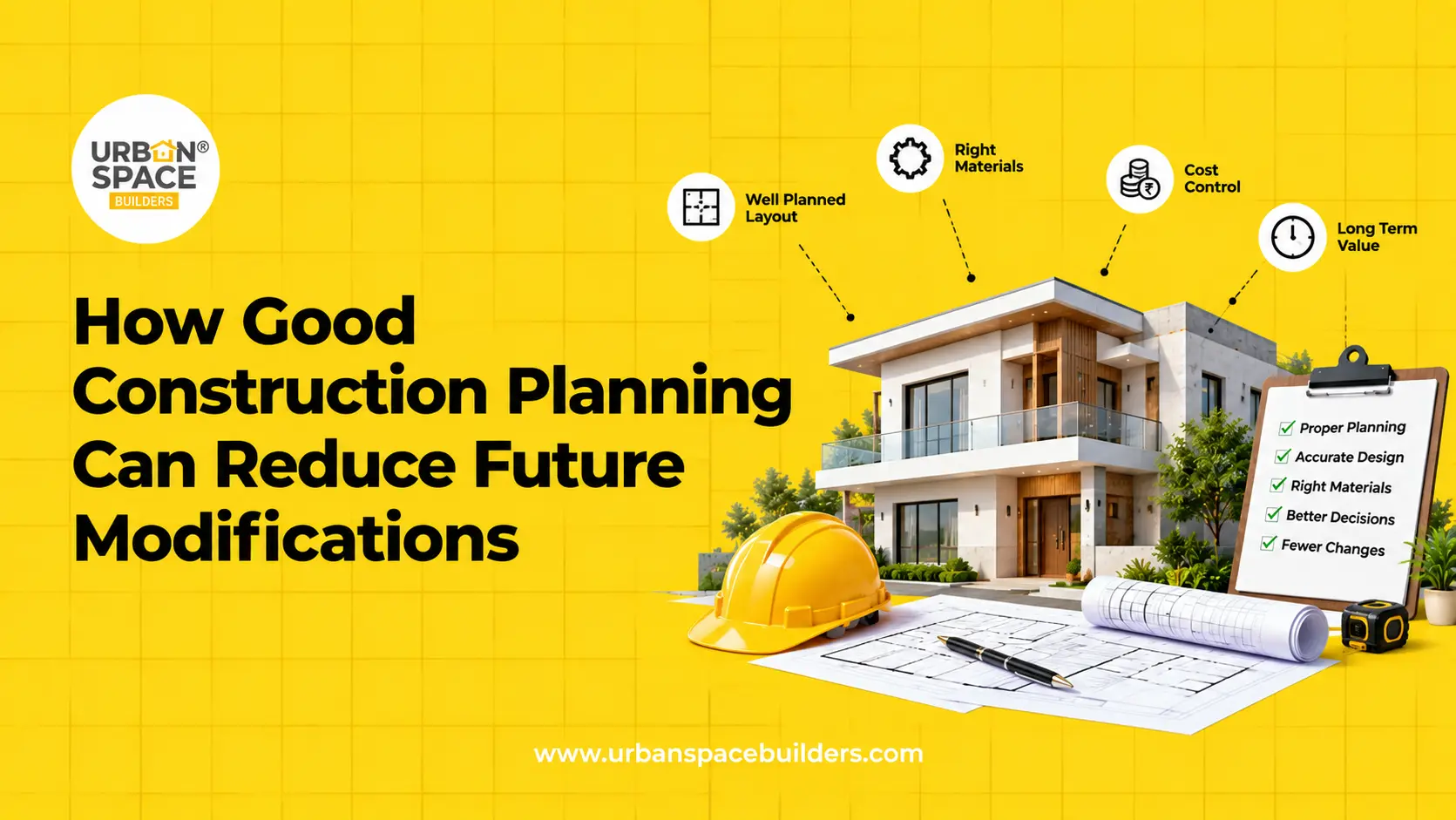
Changes made during construction can affect the cost and timeline. Therefore, careful planning at the beginning can reduce unnecessary changes later.
3. Detailed Cost Estimation
A detailed construction estimate helps homeowners understand the expected project cost. Factors such as built-up area, design complexity, materials, interiors, and site conditions can influence the budget.
4. Construction Agreement
A clear construction agreement helps document important project details. This may include the scope of work, payment structure, responsibilities, and terms related to changes in the project.
5. Material Planning and Selection
Construction materials should be selected based on the project’s requirements, quality expectations, and budget. Homeowners should have a clear understanding of the material specifications agreed upon for their home.
6. Construction and Site Supervision
During construction, regular supervision is important for monitoring the work and identifying issues at the appropriate stage. Engineers and site supervisors play an important role in maintaining quality and coordinating construction activities.
7. Progress Tracking and Homeowner Updates
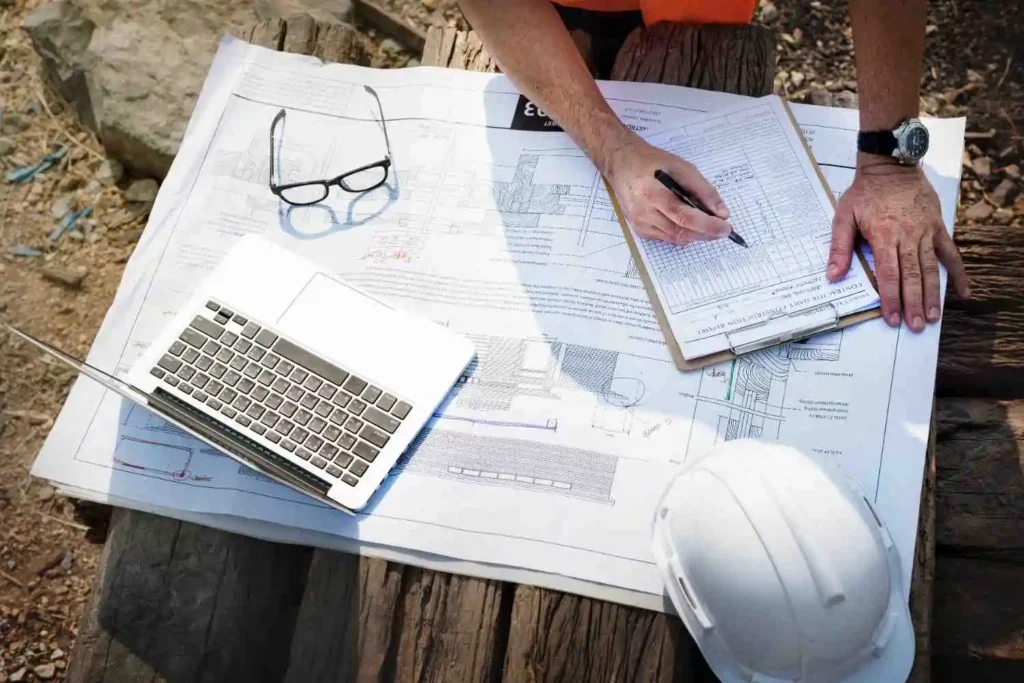
Regular communication helps homeowners understand what is happening at the site. Updates may include completed work, upcoming activities, site photographs, and information about important construction milestones.
8. Quality Checks and Handover
Before project completion, important areas should be inspected. Quality checks help identify work that may require attention before handover.
How Can Homeowners Track Construction Progress?
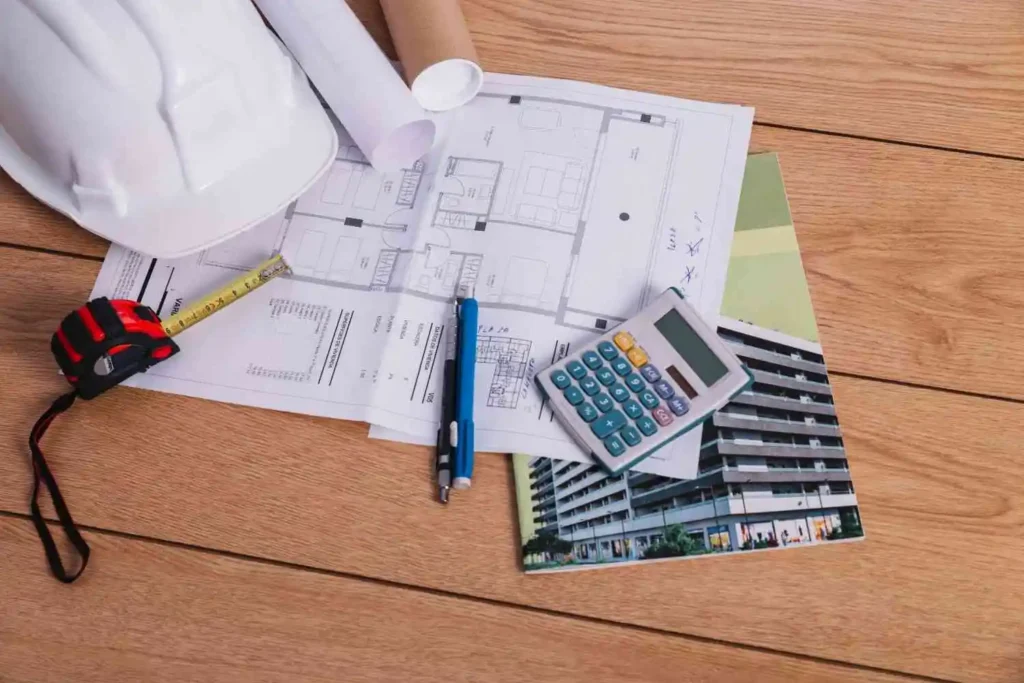
Homeowners do not need to visit the site every day to stay informed. A properly managed project can provide regular updates through communication and digital tracking methods.
Useful updates may include:
- Construction site photographs
- Progress reports
- Completed milestone information
- Upcoming work schedules
- Material updates
- Site inspection information
This can be particularly useful for NRI homeowners or working professionals who cannot regularly visit their construction site.
How Does Transparency Help Control Construction Costs?
Construction cost transparency does not mean that every project cost will remain unchanged regardless of circumstances. Changes in design, materials, project requirements, or additional work can affect the final cost.
However, transparency ensures that homeowners are informed about such changes.
For example, if a homeowner decides to add a new room or upgrade a material after construction has started, the additional cost should be discussed before the work proceeds. This helps reduce confusion and supports better budget tracking.
Common Mistakes Homeowners Should Avoid
- Choosing a Builder Based Only on the Lowest Quote
A very low quotation may not provide enough information about material quality, exclusions, or the actual scope of work.
Solution: Compare quotations carefully and understand what is included.
- Not Reading the Scope of Work
Homeowners sometimes focus only on the final price.
Solution: Review the complete scope of work before making a decision.
- Making Frequent Changes During Construction
Repeated design changes can affect the project cost and timeline.
Solution: Finalise important requirements during the planning stage whenever possible.
- Ignoring Project Updates
Regular updates can help homeowners identify concerns and understand construction progress.
Solution: Maintain open communication with the construction team.
- Not Discussing Additional Costs Clearly
Extra work can sometimes create confusion when responsibilities are unclear.
Solution: Ask for clear information about the cost and impact of additional work before approving it.
Conclusion
A transparent construction process gives homeowners greater clarity and confidence throughout their home-building journey. From the initial estimate and planning stage to material selection, site supervision, progress tracking, and final handover, clear communication can make a significant difference.
For homeowners planning residential construction in Chennai, Urban Space Builders provides support across important stages of the project, including residential home construction, architectural and structural planning, construction cost estimation, project management, site supervision, and construction progress tracking.
Also Check: How Climate Change Is Influencing Building Design in Chennai
Recent Posts
What Questions Should You Ask During a Site Visit? A …
Let's Build Your Dream Home Now!
What Questions Should You Ask During a Site Visit? A construction site visit gives you much more information than a brochure, quotation …
What Questions Should You Ask During a Site Visit? A construction site visit gives you much more information than a brochure, quotation …
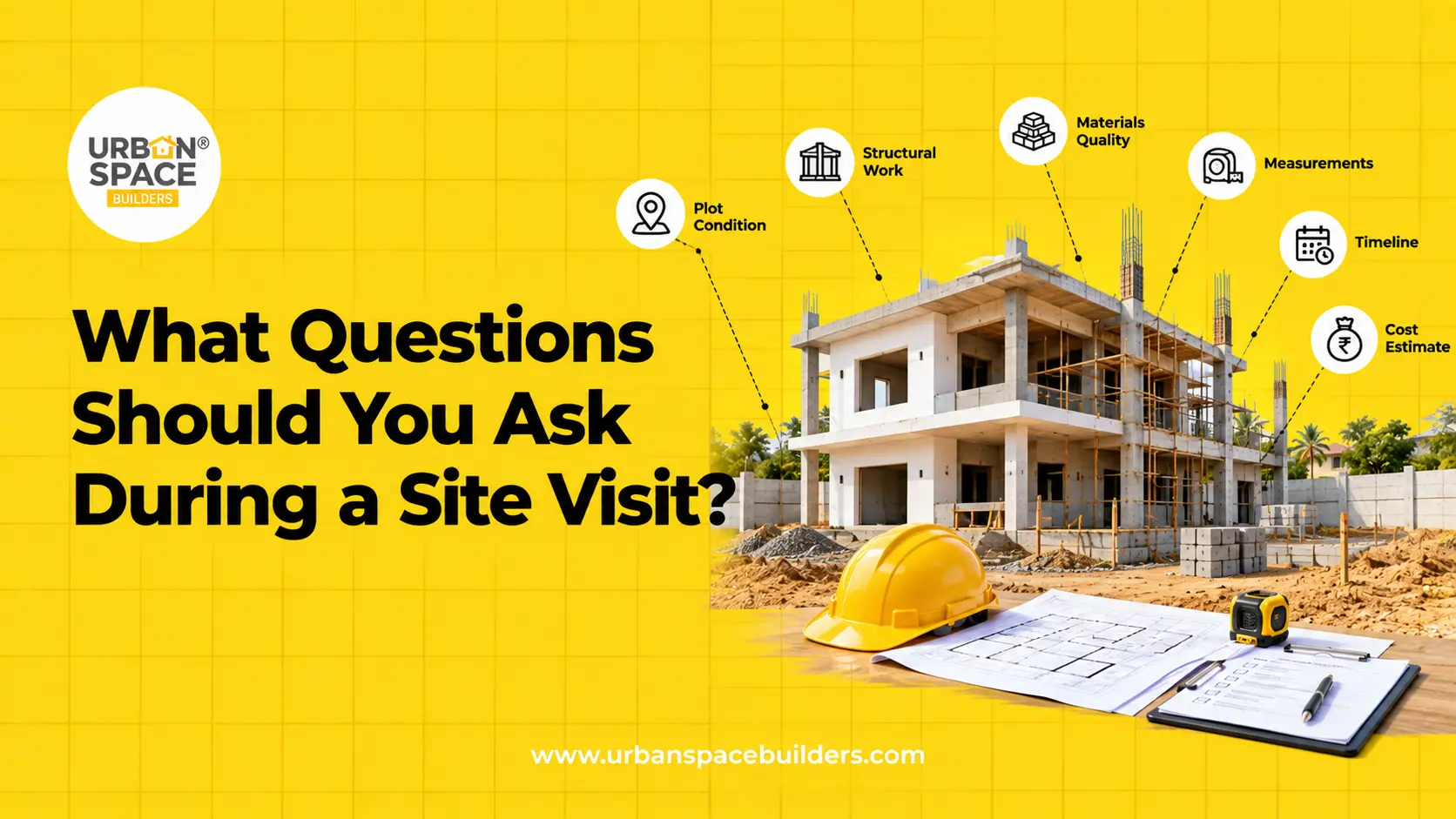
What Questions Should You Ask During a Site Visit? A construction site visit gives you much more information than a brochure, quotation …
How Staircase Design Affects Space and Comfort in a Home A staircase may occupy only one part of a house, but its …
Frequently Asked Questions
1. What is construction process transparency?
Construction process transparency means keeping homeowners informed about important aspects of the project, including costs, materials, timelines, construction progress, and changes.
2. Does a transparent quotation prevent all additional construction costs?
Not always. Additional costs may arise when homeowners request changes, expand the scope of work, or face project-specific requirements. Transparency ensures these changes are communicated clearly.
3. Why are regular site updates important?
Regular updates help homeowners understand construction progress, upcoming activities, and important project milestones. They are especially useful for busy professionals and NRI homeowners.
4. What should I check before signing a construction agreement?
Review the scope of work, payment terms, material specifications, responsibilities, exclusions, and other important project conditions. Ask questions if any information is unclear.
5. How does technology improve construction transparency?
Digital tools can make it easier to share project updates, photographs, reports, construction milestones, and other relevant information with homeowners.