
What Questions Should You Ask During a Site Visit? A …
How to Save Money on House Construction Without Losing Quality
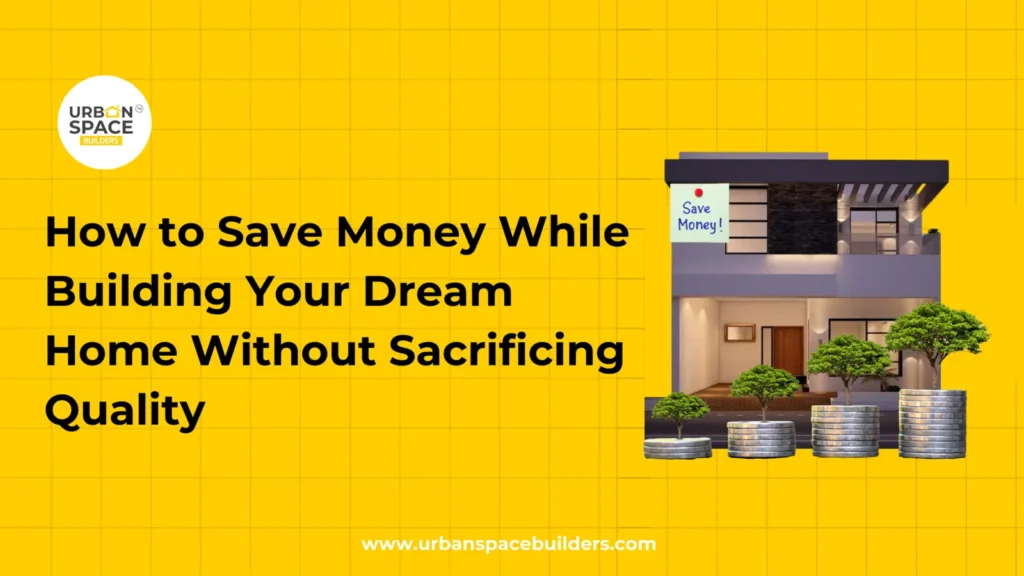
Building a dream home is exciting, but controlling the budget can become difficult if construction is started without proper planning. Material price changes, design modifications, labour costs and wastage can quickly increase the total expense.
The best way to save money on house construction is not to choose the cheapest materials or reduce essential work. Instead, homeowners should focus on better planning, efficient design and proper construction cost management.
For homeowners planning house construction in Chennai, Urban Space Builders recommends making important financial and design decisions before site work begins. Here are practical ways to build a quality home while keeping expenses under control.
What Does Cost-Effective House Construction Mean?
Cost-effective house construction means using your construction budget wisely while maintaining safety, durability, functionality and quality. It does not mean selecting the lowest-priced material for every stage.
A cost-effective home uses:
- A practical floor plan
- Appropriate construction materials
- Proper structural planning
- Skilled labour
- Controlled material usage
- Clear construction specifications
- Regular quality checks
- Planned purchasing
- Proper site supervision
The aim is to remove unnecessary expenses while protecting the important parts of the building.
Why Is Construction Budget Planning Important?
Construction budget planning helps homeowners understand how much money may be required before construction begins.
A well-planned budget can help you:
- Prioritise important construction work
- Select suitable materials
- Reduce unnecessary design changes
- Control material and labour costs
- Prepare for unexpected expenses
- Avoid stopping construction midway
- Make better decisions during construction
Your budget should include structural construction, electrical work, plumbing, flooring, doors, windows, painting, waterproofing, approvals and finishing work. It is also useful to maintain a contingency amount for unexpected costs.
How Can You Save Money on House Construction?
1. Prepare a Detailed Construction Cost Estimate
Before starting construction, prepare a detailed estimate covering every major stage of the project.
The estimate should include:
- Foundation
- RCC work
- Brickwork
- Roofing
- Electrical work
- Plumbing
- Flooring
- Doors and windows
- Waterproofing
- Painting
- Finishing work
A detailed cost breakdown helps you understand where your money will be spent and identify areas where expenses can be controlled.
2. Create a Simple and Functional House Design
- Complicated architectural designs can increase construction costs.
- Multiple projections, unusual room shapes, excessive curves and complex structural elements may require additional labour and materials.
- A simple functional floor plan can improve space utilisation while keeping the built-up area under control.
- Work with your architect and structural engineer to create a design that matches your lifestyle without adding unnecessary construction complexity.
3. Finalise the Design Before Starting Construction
Frequent changes during construction are one of the common reasons for cost overruns. Changing a wall position, electrical point, bathroom layout or staircase after work has started may result in:
- Demolition
- Material wastage
- Additional labour
- Project delays
- Rework
Finalise the floor plan, structural design, electrical layout and plumbing plan before major construction begins.
4. Prepare a Clear BOQ
A Bill of Quantities, commonly called a BOQ, provides a detailed list of work, materials and expected quantities. A clear BOQ helps homeowners compare construction quotations more accurately.
Instead of comparing only the final quotation amount, compare:
- Material specifications
- Material quantities
- Included work
- Excluded work
- Labour charges
- Brand specifications
- Finishing standards
This can reduce confusion and hidden construction costs later.
5. Choose Materials Based on Quality and Durability
Expensive materials are not always necessary for every part of the house. Similarly, extremely cheap materials can create maintenance problems later.
Choose materials based on:
- Strength
- Durability
- Maintenance requirements
- Application
- Warranty
- Local availability
Spend more on important structural and protective elements such as steel, concrete, waterproofing, electrical systems and plumbing. You can control spending on decorative items that can be upgraded later.
6. Reduce Material Wastage
Material wastage directly increases home construction cost. Cement, sand, steel, tiles, bricks and other construction materials should be properly measured, stored and monitored.
Good site management can reduce:
- Broken tiles
- Damaged bricks
- Excess concrete
- Improper steel cutting
- Cement damage due to moisture
- Unnecessary material movement
Regular supervision helps ensure that materials are used efficiently.
7. Purchase Materials at the Right Time
- Buying every material at the beginning of construction is not always practical.
- Some materials may get damaged if stored for long periods.
- Plan purchases according to the construction schedule.
- Bulk purchasing may help reduce the price of frequently used materials, but quantities should be calculated carefully.
- Compare suppliers based on material quality, transportation charges, reliability and final delivered cost.
8. Avoid Unnecessary Built-Up Area
Construction cost is strongly connected to the total construction area.
Adding rooms, oversized passages or unused spaces can increase:
- Structural costs
- Flooring costs
- Electrical costs
- Painting costs
- Roofing costs
- Future maintenance expenses
Focus on space optimisation. A well-designed smaller home can sometimes provide better functionality than a larger home with poorly planned spaces.
9. Use Skilled Labour
Choosing the lowest labour quotation can sometimes create additional expenses through poor workmanship and rework. Skilled workers can improve construction quality and complete tasks more efficiently.
Quality workmanship is particularly important for:
- Reinforcement work
- Concrete work
- Brickwork
- Waterproofing
- Electrical installation
- Plumbing
- Tile installation
Correct execution the first time can prevent expensive repairs.
10. Maintain Regular Site Supervision
Regular site supervision helps identify problems before they become expensive.
A site engineer can monitor:
- Construction drawings
- Material usage
- Workmanship
- Structural specifications
- Construction quality
- Work progress
- Safety practices
Consistent monitoring also reduces mistakes and unnecessary rework.
Which Areas Should You Avoid Cutting Costs On?
Some parts of construction directly affect the safety and durability of the house.
Avoid compromising on:
- Foundation quality
- Structural design
- Steel reinforcement
- Concrete quality
- Waterproofing
- Electrical wiring
- Plumbing systems
- Structural engineering
- Site supervision
- Quality inspection
Reducing expenses in these areas may result in higher repair and maintenance costs later.
Read More: Essential Vastu Tips for Your New Home | Urban Space Builders
Key Takeaways
- Proper planning is one of the easiest ways to reduce construction expenses.
- A simple house design can help control structural and finishing costs.
- A detailed construction estimate helps prevent unexpected expenses.
- A BOQ makes quotation comparison easier.
- Material wastage should be monitored throughout construction.
- Skilled labour and good supervision can reduce expensive rework.
- Never reduce essential structural, waterproofing, electrical or plumbing quality to save money.
- Focus on long-term value rather than only the lowest initial construction cost.
Conclusion
Saving money while building your dream home does not require compromising construction quality. Smart design decisions, accurate construction cost estimation, controlled material purchasing, skilled workmanship and regular site supervision can help keep expenses under control.
For homeowners planning residential home construction in Chennai, Urban Space Builders supports architectural planning, structural design, construction cost estimation, project management and site supervision. A clear plan from the beginning can make the construction process easier to understand and help you make informed decisions throughout the project.
If you are planning a new home in Chennai, start by understanding your requirements, construction scope and realistic budget before beginning the work.
Also Check: Top 5 Colors to Elevate Your Modular Kitchen Design
Recent Posts
What Questions Should You Ask During a Site Visit? A …
Let's Build Your Dream Home Now!
What Questions Should You Ask During a Site Visit? A construction site visit gives you much more information than a brochure, quotation …
What Questions Should You Ask During a Site Visit? A construction site visit gives you much more information than a brochure, quotation …
What Questions Should You Ask During a Site Visit? A construction site visit gives you much more information than a brochure, quotation …
How Staircase Design Affects Space and Comfort in a Home A staircase may occupy only one part of a house, but its …
Frequently Asked Questions
1. How much should I keep as a contingency budget for house construction?
The suitable amount depends on the project, construction stage and financial situation. Homeowners should keep a separate contingency amount to manage reasonable price changes, minor modifications and unexpected site conditions.
2. Should I buy all construction materials in bulk?
Not always. Bulk purchase can be useful for some regularly used materials, but certain products should be purchased according to the construction schedule to prevent damage, storage problems and unnecessary investment.
3. Is turnkey construction helpful for budget control?
Turnkey construction can simplify budget and project management when the project scope, specifications, exclusions, payment stages and material standards are clearly documented before work begins.
4. Can reducing the size of a house lower construction costs?
Yes. Reducing unnecessary built-up area can lower structural, flooring, electrical, plumbing, roofing and finishing costs. Good space planning can help homeowners maintain functionality even with a smaller construction area.
5. How can I choose a house construction company in Chennai within my budget?
Compare companies based on their construction scope, material specifications, quotation transparency, engineering support, completed work, supervision process and quality checks rather than selecting only based on the lowest quotation.