Author name: admin

How to Manage Design Choices Without Delaying Construction
Uncategorized

How to Manage Design Choices Without Delaying Construction

What Questions Should You Ask During a Site Visit? A construction site visit gives you much more information than a brochure, quotation or sales discussion. You can see how work is actually managed, how materials are stored and whether engineers regularly supervise the project. Knowing the right questions to ask during a site visit can help you understand construction quality, cost transparency and project management before committing your money. For homeowners planning home construction in Chennai, Urban Space Builders recommends looking beyond the finished appearance of a property. This guide explains what you should inspect and what you should ask before choosing a builder. What Should You Check During a House Construction Site Visit? During a house construction site visit, check both the visible construction work and the way the project is managed. Pay attention to: Site cleanliness and organisation Foundation and structural work Quality of construction materials Storage of cement, steel and other materials Engineer or supervisor availability Worker safety practices Plumbing and drainage planning Waterproofing preparation Construction progress Quality inspection process Approved drawings available at the site A professionally managed site does not need to look perfect every day, but there should be a clear system for materials, labour, safety, supervision and quality checks. What Questions Should You Ask About the Site Before Construction? Before construction begins, understand whether the plot itself has been properly assessed. Ask the builder: Has the site been inspected before planning the house? The builder or engineer should understand the plot dimensions, road access, neighbouring properties, drainage conditions and existing site levels. Is soil testing required for my plot? Soil conditions can influence foundation design. A structural engineer should decide the suitable foundation based on the site conditions and engineering requirements. How will rainwater and drainage be managed? This is especially important in Chennai. Ask how the site level, drainage slope, rainwater outlets and waterproofing requirements will be considered during planning. Are there any site-access challenges? Narrow roads, limited material-storage space or restricted vehicle access can affect material delivery and construction planning. What Questions Should You Ask About Foundation and Structural Quality? The foundation and structural system support the entire home, so homeowners should understand how these works are designed and checked. Ask: Who prepares the structural drawings? Will a qualified structural engineer review the project? How is the foundation type selected? How is steel reinforcement checked before concreting? How do you verify concrete quality? Who approves important structural stages? Are construction records maintained? The National Building Code of India covers areas including materials, structural design, soil and foundations, construction management and safety. It also defines responsibilities for professionals involved in building projects. Homeowners do not need to understand every engineering calculation. What matters is knowing that structural work follows approved drawings and receives proper professional supervision. What Questions Should You Ask About Construction Materials? Material quality can directly affect the strength, finish and durability of your home. Ask the builder: Which cement brands and grades are included? What type and grade of steel will be used? What blocks or bricks are included? What plumbing and electrical brands are specified? What waterproofing system will be used? Are material specifications written in the quotation or agreement? Can materials be changed without homeowner approval? The Bill of Quantities (BOQ) or detailed material specification should make it easier to understand what is included. Do not depend only on statements such as “premium materials.” Ask for specifications wherever possible. What Questions Should You Ask About Construction Quality? During a construction site inspection, ask how the company checks work before moving to the next stage. Useful site visit questions include: Who checks the work every day? How frequently does the site engineer visit? Are measurements verified before important work? Is reinforcement inspected before concrete is poured? How is waterproofing tested? How are plumbing lines checked before they are covered? How are defects recorded and corrected? Quality control should happen throughout construction, not only before home handover. BIS maintains standards covering areas such as plain and reinforced concrete. For example, IS 456:2000 remains listed by BIS as the code of practice for plain and reinforced concrete and was reviewed in 2025. What Questions Should You Ask the Site Engineer? A homeowner should know who is responsible for day-to-day technical coordination. Ask the site engineer: What work is happening this week? What is the next construction milestone? Is the project following the approved drawings? Were any site changes made? Are there any delays or technical issues? What quality checks were completed? What work should be inspected before the next payment? These questions make your home construction site visit more useful than simply checking how much of the building is visible. What Questions Should You Ask About the Construction Timeline? Ask the construction company for a stage-wise schedule rather than only asking for a final completion date. Typical stages may include: Site preparation Excavation Foundation work Plinth construction Structural work Brick or block work Electrical and plumbing work Plastering Flooring Painting and finishes Fixtures Final inspection and handover Ask which activities may be affected by approvals, design changes, weather, material availability or client decisions. A realistic schedule should include construction milestones that homeowners can track. What Questions Should You Ask About Construction Cost? Cost discussions during a site visit should go beyond the price per square foot. Ask: What exactly is included in the construction quotation? Which items are excluded? Are labour and material costs included? What specifications apply to flooring, doors and sanitary fittings? Are approval-related charges included? How are additional works priced? What happens when the homeowner changes the design? What is the payment schedule? Are taxes clearly mentioned? How are price changes handled? Understanding the scope of work, BOQ, exclusions and payment terms can reduce unexpected construction costs later. Major Cost Factors Plot and built-up area Number of floors Structural design Soil and foundation requirements Material specifications Architectural complexity Labour requirements Plumbing and electrical specifications Interior work Approval requirements Site accessibility Location within Chennai What Questions Should
How to Plan Parking Space During Residential Construction
Uncategorized

How to Plan Parking Space During Residential Construction

What Questions Should You Ask During a Site Visit? A construction site visit gives you much more information than a brochure, quotation or sales discussion. You can see how work is actually managed, how materials are stored and whether engineers regularly supervise the project. Knowing the right questions to ask during a site visit can help you understand construction quality, cost transparency and project management before committing your money. For homeowners planning home construction in Chennai, Urban Space Builders recommends looking beyond the finished appearance of a property. This guide explains what you should inspect and what you should ask before choosing a builder. What Should You Check During a House Construction Site Visit? During a house construction site visit, check both the visible construction work and the way the project is managed. Pay attention to: Site cleanliness and organisation Foundation and structural work Quality of construction materials Storage of cement, steel and other materials Engineer or supervisor availability Worker safety practices Plumbing and drainage planning Waterproofing preparation Construction progress Quality inspection process Approved drawings available at the site A professionally managed site does not need to look perfect every day, but there should be a clear system for materials, labour, safety, supervision and quality checks. What Questions Should You Ask About the Site Before Construction? Before construction begins, understand whether the plot itself has been properly assessed. Ask the builder: Has the site been inspected before planning the house? The builder or engineer should understand the plot dimensions, road access, neighbouring properties, drainage conditions and existing site levels. Is soil testing required for my plot? Soil conditions can influence foundation design. A structural engineer should decide the suitable foundation based on the site conditions and engineering requirements. How will rainwater and drainage be managed? This is especially important in Chennai. Ask how the site level, drainage slope, rainwater outlets and waterproofing requirements will be considered during planning. Are there any site-access challenges? Narrow roads, limited material-storage space or restricted vehicle access can affect material delivery and construction planning. What Questions Should You Ask About Foundation and Structural Quality? The foundation and structural system support the entire home, so homeowners should understand how these works are designed and checked. Ask: Who prepares the structural drawings? Will a qualified structural engineer review the project? How is the foundation type selected? How is steel reinforcement checked before concreting? How do you verify concrete quality? Who approves important structural stages? Are construction records maintained? The National Building Code of India covers areas including materials, structural design, soil and foundations, construction management and safety. It also defines responsibilities for professionals involved in building projects. Homeowners do not need to understand every engineering calculation. What matters is knowing that structural work follows approved drawings and receives proper professional supervision. What Questions Should You Ask About Construction Materials? Material quality can directly affect the strength, finish and durability of your home. Ask the builder: Which cement brands and grades are included? What type and grade of steel will be used? What blocks or bricks are included? What plumbing and electrical brands are specified? What waterproofing system will be used? Are material specifications written in the quotation or agreement? Can materials be changed without homeowner approval? The Bill of Quantities (BOQ) or detailed material specification should make it easier to understand what is included. Do not depend only on statements such as “premium materials.” Ask for specifications wherever possible. What Questions Should You Ask About Construction Quality? During a construction site inspection, ask how the company checks work before moving to the next stage. Useful site visit questions include: Who checks the work every day? How frequently does the site engineer visit? Are measurements verified before important work? Is reinforcement inspected before concrete is poured? How is waterproofing tested? How are plumbing lines checked before they are covered? How are defects recorded and corrected? Quality control should happen throughout construction, not only before home handover. BIS maintains standards covering areas such as plain and reinforced concrete. For example, IS 456:2000 remains listed by BIS as the code of practice for plain and reinforced concrete and was reviewed in 2025. What Questions Should You Ask the Site Engineer? A homeowner should know who is responsible for day-to-day technical coordination. Ask the site engineer: What work is happening this week? What is the next construction milestone? Is the project following the approved drawings? Were any site changes made? Are there any delays or technical issues? What quality checks were completed? What work should be inspected before the next payment? These questions make your home construction site visit more useful than simply checking how much of the building is visible. What Questions Should You Ask About the Construction Timeline? Ask the construction company for a stage-wise schedule rather than only asking for a final completion date. Typical stages may include: Site preparation Excavation Foundation work Plinth construction Structural work Brick or block work Electrical and plumbing work Plastering Flooring Painting and finishes Fixtures Final inspection and handover Ask which activities may be affected by approvals, design changes, weather, material availability or client decisions. A realistic schedule should include construction milestones that homeowners can track. What Questions Should You Ask About Construction Cost? Cost discussions during a site visit should go beyond the price per square foot. Ask: What exactly is included in the construction quotation? Which items are excluded? Are labour and material costs included? What specifications apply to flooring, doors and sanitary fittings? Are approval-related charges included? How are additional works priced? What happens when the homeowner changes the design? What is the payment schedule? Are taxes clearly mentioned? How are price changes handled? Understanding the scope of work, BOQ, exclusions and payment terms can reduce unexpected construction costs later. Major Cost Factors Plot and built-up area Number of floors Structural design Soil and foundation requirements Material specifications Architectural complexity Labour requirements Plumbing and electrical specifications Interior work Approval requirements Site accessibility Location within Chennai What Questions Should
What Questions Should You Ask During a Site Visit
Uncategorized

What Questions Should You Ask During a Site Visit?

What Questions Should You Ask During a Site Visit? A construction site visit gives you much more information than a brochure, quotation or sales discussion. You can see how work is actually managed, how materials are stored and whether engineers regularly supervise the project. Knowing the right questions to ask during a site visit can help you understand construction quality, cost transparency and project management before committing your money. For homeowners planning home construction in Chennai, Urban Space Builders recommends looking beyond the finished appearance of a property. This guide explains what you should inspect and what you should ask before choosing a builder. What Should You Check During a House Construction Site Visit? During a house construction site visit, check both the visible construction work and the way the project is managed. Pay attention to: Site cleanliness and organisation Foundation and structural work Quality of construction materials Storage of cement, steel and other materials Engineer or supervisor availability Worker safety practices Plumbing and drainage planning Waterproofing preparation Construction progress Quality inspection process Approved drawings available at the site A professionally managed site does not need to look perfect every day, but there should be a clear system for materials, labour, safety, supervision and quality checks. What Questions Should You Ask About the Site Before Construction? Before construction begins, understand whether the plot itself has been properly assessed. Ask the builder: Has the site been inspected before planning the house? The builder or engineer should understand the plot dimensions, road access, neighbouring properties, drainage conditions and existing site levels. Is soil testing required for my plot? Soil conditions can influence foundation design. A structural engineer should decide the suitable foundation based on the site conditions and engineering requirements. How will rainwater and drainage be managed? This is especially important in Chennai. Ask how the site level, drainage slope, rainwater outlets and waterproofing requirements will be considered during planning. Are there any site-access challenges? Narrow roads, limited material-storage space or restricted vehicle access can affect material delivery and construction planning. What Questions Should You Ask About Foundation and Structural Quality? The foundation and structural system support the entire home, so homeowners should understand how these works are designed and checked. Ask: Who prepares the structural drawings? Will a qualified structural engineer review the project? How is the foundation type selected? How is steel reinforcement checked before concreting? How do you verify concrete quality? Who approves important structural stages? Are construction records maintained? The National Building Code of India covers areas including materials, structural design, soil and foundations, construction management and safety. It also defines responsibilities for professionals involved in building projects. Homeowners do not need to understand every engineering calculation. What matters is knowing that structural work follows approved drawings and receives proper professional supervision. What Questions Should You Ask About Construction Materials? Material quality can directly affect the strength, finish and durability of your home. Ask the builder: Which cement brands and grades are included? What type and grade of steel will be used? What blocks or bricks are included? What plumbing and electrical brands are specified? What waterproofing system will be used? Are material specifications written in the quotation or agreement? Can materials be changed without homeowner approval? The Bill of Quantities (BOQ) or detailed material specification should make it easier to understand what is included. Do not depend only on statements such as “premium materials.” Ask for specifications wherever possible. What Questions Should You Ask About Construction Quality? During a construction site inspection, ask how the company checks work before moving to the next stage. Useful site visit questions include: Who checks the work every day? How frequently does the site engineer visit? Are measurements verified before important work? Is reinforcement inspected before concrete is poured? How is waterproofing tested? How are plumbing lines checked before they are covered? How are defects recorded and corrected? Quality control should happen throughout construction, not only before home handover. BIS maintains standards covering areas such as plain and reinforced concrete. For example, IS 456:2000 remains listed by BIS as the code of practice for plain and reinforced concrete and was reviewed in 2025. What Questions Should You Ask the Site Engineer? A homeowner should know who is responsible for day-to-day technical coordination. Ask the site engineer: What work is happening this week? What is the next construction milestone? Is the project following the approved drawings? Were any site changes made? Are there any delays or technical issues? What quality checks were completed? What work should be inspected before the next payment? These questions make your home construction site visit more useful than simply checking how much of the building is visible. What Questions Should You Ask About the Construction Timeline? Ask the construction company for a stage-wise schedule rather than only asking for a final completion date. Typical stages may include: Site preparation Excavation Foundation work Plinth construction Structural work Brick or block work Electrical and plumbing work Plastering Flooring Painting and finishes Fixtures Final inspection and handover Ask which activities may be affected by approvals, design changes, weather, material availability or client decisions. A realistic schedule should include construction milestones that homeowners can track. What Questions Should You Ask About Construction Cost? Cost discussions during a site visit should go beyond the price per square foot. Ask: What exactly is included in the construction quotation? Which items are excluded? Are labour and material costs included? What specifications apply to flooring, doors and sanitary fittings? Are approval-related charges included? How are additional works priced? What happens when the homeowner changes the design? What is the payment schedule? Are taxes clearly mentioned? How are price changes handled? Understanding the scope of work, BOQ, exclusions and payment terms can reduce unexpected construction costs later. Major Cost Factors Plot and built-up area Number of floors Structural design Soil and foundation requirements Material specifications Architectural complexity Labour requirements Plumbing and electrical specifications Interior work Approval requirements Site accessibility Location within Chennai What Questions Should
How Good Construction Planning Can Reduce Future Modifications
Uncategorized

How Good Construction Planning Can Reduce Future Modifications

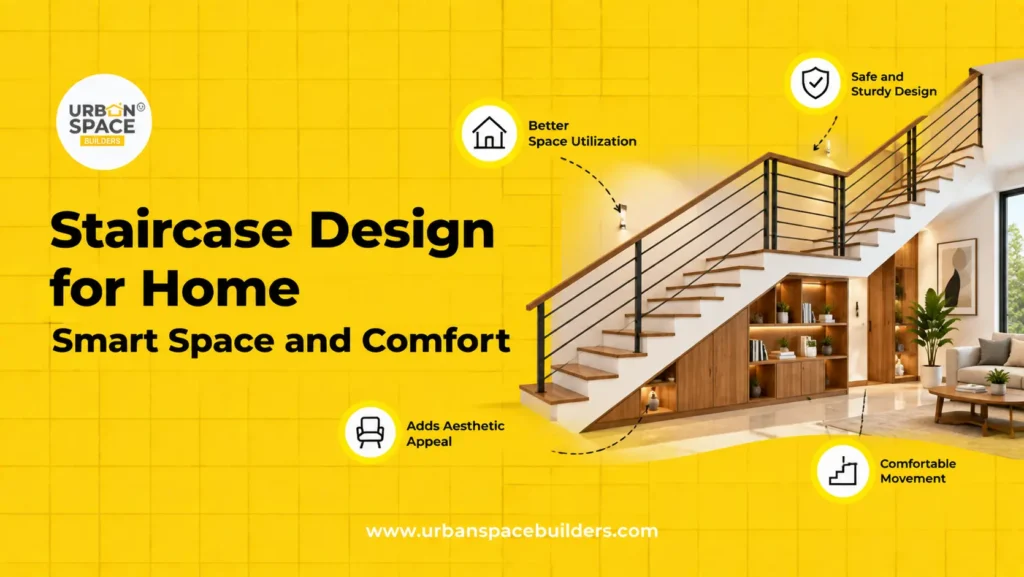
How Staircase Design Affects Space and Comfort in a Home A staircase may occupy only one part of a house, but its location can influence the entire floor plan. Poor staircase planning can reduce usable space, block natural light and make movement between floors uncomfortable. A carefully planned staircase design for home considers space, safety, accessibility and the lifestyle of the family. At Urban Space Builders, staircase planning is considered along with architectural layout and residential construction planning so that it works naturally with the rest of the home. Here is what homeowners should consider before finalising their staircase. What Is Staircase Design for Home? Staircase design for home is the process of deciding the position, shape, dimensions, materials, railing and surrounding space of a residential staircase. It also considers how people will move between floors and how the staircase connects with living rooms, bedrooms, corridors and other areas. Common residential staircase layouts include: Straight staircase L-shaped staircase U-shaped staircase Spiral staircase Floating staircase Open-riser staircase Closed-riser staircase The right option depends on the floor plan, available space, family requirements and overall architectural design. How Does Staircase Design Affect Space in a Home? A staircase requires more space than only the visible steps. Landings, circulation areas and headroom also need to be considered. Proper staircase placement can reduce wasted corridors and make better use of the available built-up area. For example, positioning a staircase near the centre of a duplex may create easier access to different rooms. In a compact house, placing it along a wall may free more usable space for the living or dining area. The area below the staircase can also become useful space for storage, cabinets, bookshelves or other practical requirements. How Does Staircase Design Improve Everyday Comfort? Comfortable stairs should allow family members to move naturally without feeling that the steps are too steep, narrow or difficult to use. Important elements include: Comfortable riser height Suitable tread depth Adequate staircase width Proper headroom Safe landings Strong handrails Anti-slip finishes Good staircase lighting These details become especially important in homes with children, senior family members or people who frequently move items between floors. Final dimensions should always be confirmed by the architect or engineer according to the approved building plan and applicable building requirements. Read More: Why Balcony Placement Matters in Modern Home Design How Does Staircase Placement Affect the Floor Plan? The staircase should ideally be decided during the architectural planning stage rather than added after the room layout is completed. Changing the staircase later may affect structural design, room dimensions, openings and circulation. Good staircase planning helps create a better connection between: Ground and upper floors Living and family areas Bedrooms Terrace access Corridors Entry spaces For an individual or duplex home, the staircase can also become an important architectural feature without affecting practical movement. Which Staircase Design Is Best for Small Homes? A space-saving staircase design should use the available area efficiently without making movement uncomfortable. L-shaped and U-shaped designs are commonly considered where the layout needs to remain compact. A straight staircase can also work well when sufficient wall length is available. Spiral staircases consume less floor area in some situations, but they may not always provide the same comfort for regular family use or for carrying larger objects. The best staircase for a small home therefore depends on both available space and daily usage. Can the Space Under a Staircase Be Used? Yes. Under-stair space can become useful when it is included in the interior plan from the beginning. Depending on the staircase structure, homeowners may consider: Closed storage Shoe cabinets Bookshelves Display units Compact work areas Decorative indoor spaces Storage should not interfere with structural elements, safe movement or necessary access. How Does Staircase Design Affect Natural Light and Ventilation? A staircase located near windows, skylights or open areas can help distribute daylight between floors. Natural lighting can make the stairway feel larger and reduce the need for artificial lighting during daytime hours. The surrounding floor plan should also allow air to move effectively instead of creating a dark, enclosed staircase zone. In Chennai homes, where indoor comfort and ventilation can be important considerations, staircase placement can be coordinated with window positions and open spaces during architectural planning. What Materials Can Be Used for Residential Staircases? Material selection depends on structural requirements, interior style, maintenance and budget. An RCC staircase is commonly integrated into residential construction because it can form part of the building structure. Finishes may include tiles, stone, wood or other suitable materials. Railings can be designed using metal, glass, wood or combinations of materials. Whatever style is selected, safety and ease of maintenance should remain important. Step-by-Step Staircase Planning for a New Home Study the floor plan Identify how the staircase will connect both floors. Select the location Consider room layout, circulation, natural light and available space. Choose the staircase type Compare straight, L-shaped, U-shaped and other suitable layouts. Plan dimensions carefully The architect or engineer should determine appropriate width, steps, landing and headroom. Coordinate structural design Ensure the staircase works with beams, slabs and the overall structural system. Plan lighting and railings Include natural and artificial lighting along with safe handrails. Plan the surrounding space Decide whether the under-stair area will be used for storage or interior features. Review before construction Confirm the final design before structural work begins. Common Staircase Planning Mistakes to Avoid One common mistake is deciding the staircase only after the rooms have been planned. This can create unnecessary changes to the floor layout. Another problem is focusing only on appearance. A visually impressive modern staircase may still become uncomfortable if the dimensions, railing or walking space are poorly planned. Homeowners should also avoid blocking natural light or creating unused corners around the staircase. The best approach is to coordinate architectural design, structural planning and interior requirements before construction begins. Conclusion A staircase connects different floors, but good staircase design also improves the overall functionality of a home. The right placement

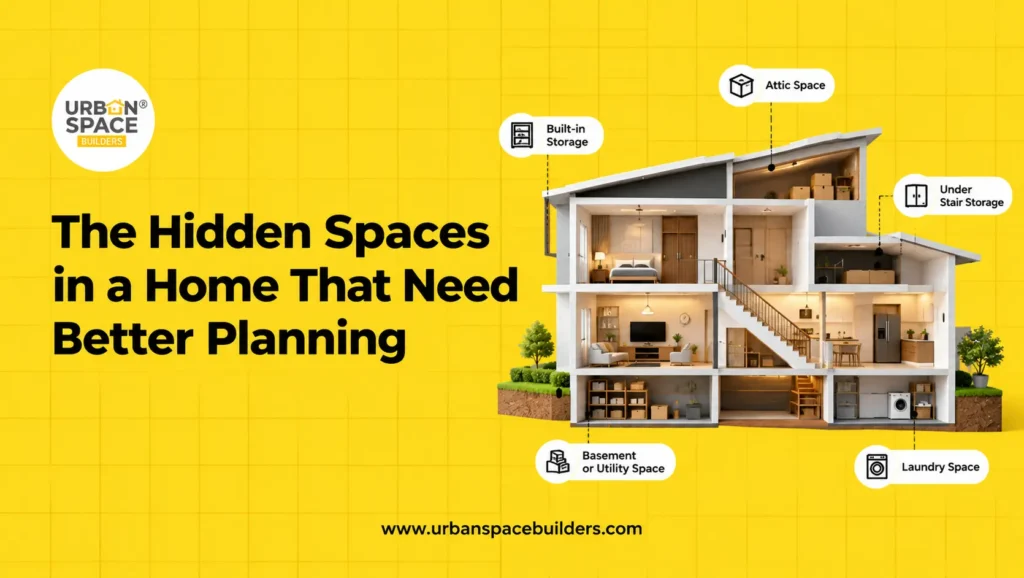
The Hidden Spaces in a Home That Need Better Planning
Uncategorized

The Hidden Spaces in a Home That Need Better Planning

How Staircase Design Affects Space and Comfort in a Home A staircase may occupy only one part of a house, but its location can influence the entire floor plan. Poor staircase planning can reduce usable space, block natural light and make movement between floors uncomfortable. A carefully planned staircase design for home considers space, safety, accessibility and the lifestyle of the family. At Urban Space Builders, staircase planning is considered along with architectural layout and residential construction planning so that it works naturally with the rest of the home. Here is what homeowners should consider before finalising their staircase. What Is Staircase Design for Home? Staircase design for home is the process of deciding the position, shape, dimensions, materials, railing and surrounding space of a residential staircase. It also considers how people will move between floors and how the staircase connects with living rooms, bedrooms, corridors and other areas. Common residential staircase layouts include: Straight staircase L-shaped staircase U-shaped staircase Spiral staircase Floating staircase Open-riser staircase Closed-riser staircase The right option depends on the floor plan, available space, family requirements and overall architectural design. How Does Staircase Design Affect Space in a Home? A staircase requires more space than only the visible steps. Landings, circulation areas and headroom also need to be considered. Proper staircase placement can reduce wasted corridors and make better use of the available built-up area. For example, positioning a staircase near the centre of a duplex may create easier access to different rooms. In a compact house, placing it along a wall may free more usable space for the living or dining area. The area below the staircase can also become useful space for storage, cabinets, bookshelves or other practical requirements. How Does Staircase Design Improve Everyday Comfort? Comfortable stairs should allow family members to move naturally without feeling that the steps are too steep, narrow or difficult to use. Important elements include: Comfortable riser height Suitable tread depth Adequate staircase width Proper headroom Safe landings Strong handrails Anti-slip finishes Good staircase lighting These details become especially important in homes with children, senior family members or people who frequently move items between floors. Final dimensions should always be confirmed by the architect or engineer according to the approved building plan and applicable building requirements. Read More: Why Balcony Placement Matters in Modern Home Design How Does Staircase Placement Affect the Floor Plan? The staircase should ideally be decided during the architectural planning stage rather than added after the room layout is completed. Changing the staircase later may affect structural design, room dimensions, openings and circulation. Good staircase planning helps create a better connection between: Ground and upper floors Living and family areas Bedrooms Terrace access Corridors Entry spaces For an individual or duplex home, the staircase can also become an important architectural feature without affecting practical movement. Which Staircase Design Is Best for Small Homes? A space-saving staircase design should use the available area efficiently without making movement uncomfortable. L-shaped and U-shaped designs are commonly considered where the layout needs to remain compact. A straight staircase can also work well when sufficient wall length is available. Spiral staircases consume less floor area in some situations, but they may not always provide the same comfort for regular family use or for carrying larger objects. The best staircase for a small home therefore depends on both available space and daily usage. Can the Space Under a Staircase Be Used? Yes. Under-stair space can become useful when it is included in the interior plan from the beginning. Depending on the staircase structure, homeowners may consider: Closed storage Shoe cabinets Bookshelves Display units Compact work areas Decorative indoor spaces Storage should not interfere with structural elements, safe movement or necessary access. How Does Staircase Design Affect Natural Light and Ventilation? A staircase located near windows, skylights or open areas can help distribute daylight between floors. Natural lighting can make the stairway feel larger and reduce the need for artificial lighting during daytime hours. The surrounding floor plan should also allow air to move effectively instead of creating a dark, enclosed staircase zone. In Chennai homes, where indoor comfort and ventilation can be important considerations, staircase placement can be coordinated with window positions and open spaces during architectural planning. What Materials Can Be Used for Residential Staircases? Material selection depends on structural requirements, interior style, maintenance and budget. An RCC staircase is commonly integrated into residential construction because it can form part of the building structure. Finishes may include tiles, stone, wood or other suitable materials. Railings can be designed using metal, glass, wood or combinations of materials. Whatever style is selected, safety and ease of maintenance should remain important. Step-by-Step Staircase Planning for a New Home Study the floor plan Identify how the staircase will connect both floors. Select the location Consider room layout, circulation, natural light and available space. Choose the staircase type Compare straight, L-shaped, U-shaped and other suitable layouts. Plan dimensions carefully The architect or engineer should determine appropriate width, steps, landing and headroom. Coordinate structural design Ensure the staircase works with beams, slabs and the overall structural system. Plan lighting and railings Include natural and artificial lighting along with safe handrails. Plan the surrounding space Decide whether the under-stair area will be used for storage or interior features. Review before construction Confirm the final design before structural work begins. Common Staircase Planning Mistakes to Avoid One common mistake is deciding the staircase only after the rooms have been planned. This can create unnecessary changes to the floor layout. Another problem is focusing only on appearance. A visually impressive modern staircase may still become uncomfortable if the dimensions, railing or walking space are poorly planned. Homeowners should also avoid blocking natural light or creating unused corners around the staircase. The best approach is to coordinate architectural design, structural planning and interior requirements before construction begins. Conclusion A staircase connects different floors, but good staircase design also improves the overall functionality of a home. The right placement

Importance of Roof Slab Construction
Uncategorized

What Is the Importance of Roof Slab Construction in a Residential Building?

How Staircase Design Affects Space and Comfort in a Home A staircase may occupy only one part of a house, but its location can influence the entire floor plan. Poor staircase planning can reduce usable space, block natural light and make movement between floors uncomfortable. A carefully planned staircase design for home considers space, safety, accessibility and the lifestyle of the family. At Urban Space Builders, staircase planning is considered along with architectural layout and residential construction planning so that it works naturally with the rest of the home. Here is what homeowners should consider before finalising their staircase. What Is Staircase Design for Home? Staircase design for home is the process of deciding the position, shape, dimensions, materials, railing and surrounding space of a residential staircase. It also considers how people will move between floors and how the staircase connects with living rooms, bedrooms, corridors and other areas. Common residential staircase layouts include: Straight staircase L-shaped staircase U-shaped staircase Spiral staircase Floating staircase Open-riser staircase Closed-riser staircase The right option depends on the floor plan, available space, family requirements and overall architectural design. How Does Staircase Design Affect Space in a Home? A staircase requires more space than only the visible steps. Landings, circulation areas and headroom also need to be considered. Proper staircase placement can reduce wasted corridors and make better use of the available built-up area. For example, positioning a staircase near the centre of a duplex may create easier access to different rooms. In a compact house, placing it along a wall may free more usable space for the living or dining area. The area below the staircase can also become useful space for storage, cabinets, bookshelves or other practical requirements. How Does Staircase Design Improve Everyday Comfort? Comfortable stairs should allow family members to move naturally without feeling that the steps are too steep, narrow or difficult to use. Important elements include: Comfortable riser height Suitable tread depth Adequate staircase width Proper headroom Safe landings Strong handrails Anti-slip finishes Good staircase lighting These details become especially important in homes with children, senior family members or people who frequently move items between floors. Final dimensions should always be confirmed by the architect or engineer according to the approved building plan and applicable building requirements. Read More: Why Balcony Placement Matters in Modern Home Design How Does Staircase Placement Affect the Floor Plan? The staircase should ideally be decided during the architectural planning stage rather than added after the room layout is completed. Changing the staircase later may affect structural design, room dimensions, openings and circulation. Good staircase planning helps create a better connection between: Ground and upper floors Living and family areas Bedrooms Terrace access Corridors Entry spaces For an individual or duplex home, the staircase can also become an important architectural feature without affecting practical movement. Which Staircase Design Is Best for Small Homes? A space-saving staircase design should use the available area efficiently without making movement uncomfortable. L-shaped and U-shaped designs are commonly considered where the layout needs to remain compact. A straight staircase can also work well when sufficient wall length is available. Spiral staircases consume less floor area in some situations, but they may not always provide the same comfort for regular family use or for carrying larger objects. The best staircase for a small home therefore depends on both available space and daily usage. Can the Space Under a Staircase Be Used? Yes. Under-stair space can become useful when it is included in the interior plan from the beginning. Depending on the staircase structure, homeowners may consider: Closed storage Shoe cabinets Bookshelves Display units Compact work areas Decorative indoor spaces Storage should not interfere with structural elements, safe movement or necessary access. How Does Staircase Design Affect Natural Light and Ventilation? A staircase located near windows, skylights or open areas can help distribute daylight between floors. Natural lighting can make the stairway feel larger and reduce the need for artificial lighting during daytime hours. The surrounding floor plan should also allow air to move effectively instead of creating a dark, enclosed staircase zone. In Chennai homes, where indoor comfort and ventilation can be important considerations, staircase placement can be coordinated with window positions and open spaces during architectural planning. What Materials Can Be Used for Residential Staircases? Material selection depends on structural requirements, interior style, maintenance and budget. An RCC staircase is commonly integrated into residential construction because it can form part of the building structure. Finishes may include tiles, stone, wood or other suitable materials. Railings can be designed using metal, glass, wood or combinations of materials. Whatever style is selected, safety and ease of maintenance should remain important. Step-by-Step Staircase Planning for a New Home Study the floor plan Identify how the staircase will connect both floors. Select the location Consider room layout, circulation, natural light and available space. Choose the staircase type Compare straight, L-shaped, U-shaped and other suitable layouts. Plan dimensions carefully The architect or engineer should determine appropriate width, steps, landing and headroom. Coordinate structural design Ensure the staircase works with beams, slabs and the overall structural system. Plan lighting and railings Include natural and artificial lighting along with safe handrails. Plan the surrounding space Decide whether the under-stair area will be used for storage or interior features. Review before construction Confirm the final design before structural work begins. Common Staircase Planning Mistakes to Avoid One common mistake is deciding the staircase only after the rooms have been planned. This can create unnecessary changes to the floor layout. Another problem is focusing only on appearance. A visually impressive modern staircase may still become uncomfortable if the dimensions, railing or walking space are poorly planned. Homeowners should also avoid blocking natural light or creating unused corners around the staircase. The best approach is to coordinate architectural design, structural planning and interior requirements before construction begins. Conclusion A staircase connects different floors, but good staircase design also improves the overall functionality of a home. The right placement

Top Residential Areas in Chennai for New Home Construction
Uncategorized

Top Residential Areas in Chennai for New Home Construction

How Staircase Design Affects Space and Comfort in a Home A staircase may occupy only one part of a house, but its location can influence the entire floor plan. Poor staircase planning can reduce usable space, block natural light and make movement between floors uncomfortable. A carefully planned staircase design for home considers space, safety, accessibility and the lifestyle of the family. At Urban Space Builders, staircase planning is considered along with architectural layout and residential construction planning so that it works naturally with the rest of the home. Here is what homeowners should consider before finalising their staircase. What Is Staircase Design for Home? Staircase design for home is the process of deciding the position, shape, dimensions, materials, railing and surrounding space of a residential staircase. It also considers how people will move between floors and how the staircase connects with living rooms, bedrooms, corridors and other areas. Common residential staircase layouts include: Straight staircase L-shaped staircase U-shaped staircase Spiral staircase Floating staircase Open-riser staircase Closed-riser staircase The right option depends on the floor plan, available space, family requirements and overall architectural design. How Does Staircase Design Affect Space in a Home? A staircase requires more space than only the visible steps. Landings, circulation areas and headroom also need to be considered. Proper staircase placement can reduce wasted corridors and make better use of the available built-up area. For example, positioning a staircase near the centre of a duplex may create easier access to different rooms. In a compact house, placing it along a wall may free more usable space for the living or dining area. The area below the staircase can also become useful space for storage, cabinets, bookshelves or other practical requirements. How Does Staircase Design Improve Everyday Comfort? Comfortable stairs should allow family members to move naturally without feeling that the steps are too steep, narrow or difficult to use. Important elements include: Comfortable riser height Suitable tread depth Adequate staircase width Proper headroom Safe landings Strong handrails Anti-slip finishes Good staircase lighting These details become especially important in homes with children, senior family members or people who frequently move items between floors. Final dimensions should always be confirmed by the architect or engineer according to the approved building plan and applicable building requirements. Read More: Why Balcony Placement Matters in Modern Home Design How Does Staircase Placement Affect the Floor Plan? The staircase should ideally be decided during the architectural planning stage rather than added after the room layout is completed. Changing the staircase later may affect structural design, room dimensions, openings and circulation. Good staircase planning helps create a better connection between: Ground and upper floors Living and family areas Bedrooms Terrace access Corridors Entry spaces For an individual or duplex home, the staircase can also become an important architectural feature without affecting practical movement. Which Staircase Design Is Best for Small Homes? A space-saving staircase design should use the available area efficiently without making movement uncomfortable. L-shaped and U-shaped designs are commonly considered where the layout needs to remain compact. A straight staircase can also work well when sufficient wall length is available. Spiral staircases consume less floor area in some situations, but they may not always provide the same comfort for regular family use or for carrying larger objects. The best staircase for a small home therefore depends on both available space and daily usage. Can the Space Under a Staircase Be Used? Yes. Under-stair space can become useful when it is included in the interior plan from the beginning. Depending on the staircase structure, homeowners may consider: Closed storage Shoe cabinets Bookshelves Display units Compact work areas Decorative indoor spaces Storage should not interfere with structural elements, safe movement or necessary access. How Does Staircase Design Affect Natural Light and Ventilation? A staircase located near windows, skylights or open areas can help distribute daylight between floors. Natural lighting can make the stairway feel larger and reduce the need for artificial lighting during daytime hours. The surrounding floor plan should also allow air to move effectively instead of creating a dark, enclosed staircase zone. In Chennai homes, where indoor comfort and ventilation can be important considerations, staircase placement can be coordinated with window positions and open spaces during architectural planning. What Materials Can Be Used for Residential Staircases? Material selection depends on structural requirements, interior style, maintenance and budget. An RCC staircase is commonly integrated into residential construction because it can form part of the building structure. Finishes may include tiles, stone, wood or other suitable materials. Railings can be designed using metal, glass, wood or combinations of materials. Whatever style is selected, safety and ease of maintenance should remain important. Step-by-Step Staircase Planning for a New Home Study the floor plan Identify how the staircase will connect both floors. Select the location Consider room layout, circulation, natural light and available space. Choose the staircase type Compare straight, L-shaped, U-shaped and other suitable layouts. Plan dimensions carefully The architect or engineer should determine appropriate width, steps, landing and headroom. Coordinate structural design Ensure the staircase works with beams, slabs and the overall structural system. Plan lighting and railings Include natural and artificial lighting along with safe handrails. Plan the surrounding space Decide whether the under-stair area will be used for storage or interior features. Review before construction Confirm the final design before structural work begins. Common Staircase Planning Mistakes to Avoid One common mistake is deciding the staircase only after the rooms have been planned. This can create unnecessary changes to the floor layout. Another problem is focusing only on appearance. A visually impressive modern staircase may still become uncomfortable if the dimensions, railing or walking space are poorly planned. Homeowners should also avoid blocking natural light or creating unused corners around the staircase. The best approach is to coordinate architectural design, structural planning and interior requirements before construction begins. Conclusion A staircase connects different floors, but good staircase design also improves the overall functionality of a home. The right placement

Staircase Design for Home Smart Space and Comfort
Uncategorized

How Staircase Design Affects Space and Comfort in a Home

How Staircase Design Affects Space and Comfort in a Home A staircase may occupy only one part of a house, but its location can influence the entire floor plan. Poor staircase planning can reduce usable space, block natural light and make movement between floors uncomfortable. A carefully planned staircase design for home considers space, safety, accessibility and the lifestyle of the family. At Urban Space Builders, staircase planning is considered along with architectural layout and residential construction planning so that it works naturally with the rest of the home. Here is what homeowners should consider before finalising their staircase. What Is Staircase Design for Home? Staircase design for home is the process of deciding the position, shape, dimensions, materials, railing and surrounding space of a residential staircase. It also considers how people will move between floors and how the staircase connects with living rooms, bedrooms, corridors and other areas. Common residential staircase layouts include: Straight staircase L-shaped staircase U-shaped staircase Spiral staircase Floating staircase Open-riser staircase Closed-riser staircase The right option depends on the floor plan, available space, family requirements and overall architectural design. How Does Staircase Design Affect Space in a Home? A staircase requires more space than only the visible steps. Landings, circulation areas and headroom also need to be considered. Proper staircase placement can reduce wasted corridors and make better use of the available built-up area. For example, positioning a staircase near the centre of a duplex may create easier access to different rooms. In a compact house, placing it along a wall may free more usable space for the living or dining area. The area below the staircase can also become useful space for storage, cabinets, bookshelves or other practical requirements. How Does Staircase Design Improve Everyday Comfort? Comfortable stairs should allow family members to move naturally without feeling that the steps are too steep, narrow or difficult to use. Important elements include: Comfortable riser height Suitable tread depth Adequate staircase width Proper headroom Safe landings Strong handrails Anti-slip finishes Good staircase lighting These details become especially important in homes with children, senior family members or people who frequently move items between floors. Final dimensions should always be confirmed by the architect or engineer according to the approved building plan and applicable building requirements. Read More: Why Balcony Placement Matters in Modern Home Design How Does Staircase Placement Affect the Floor Plan? The staircase should ideally be decided during the architectural planning stage rather than added after the room layout is completed. Changing the staircase later may affect structural design, room dimensions, openings and circulation. Good staircase planning helps create a better connection between: Ground and upper floors Living and family areas Bedrooms Terrace access Corridors Entry spaces For an individual or duplex home, the staircase can also become an important architectural feature without affecting practical movement. Which Staircase Design Is Best for Small Homes? A space-saving staircase design should use the available area efficiently without making movement uncomfortable. L-shaped and U-shaped designs are commonly considered where the layout needs to remain compact. A straight staircase can also work well when sufficient wall length is available. Spiral staircases consume less floor area in some situations, but they may not always provide the same comfort for regular family use or for carrying larger objects. The best staircase for a small home therefore depends on both available space and daily usage. Can the Space Under a Staircase Be Used? Yes. Under-stair space can become useful when it is included in the interior plan from the beginning. Depending on the staircase structure, homeowners may consider: Closed storage Shoe cabinets Bookshelves Display units Compact work areas Decorative indoor spaces Storage should not interfere with structural elements, safe movement or necessary access. How Does Staircase Design Affect Natural Light and Ventilation? A staircase located near windows, skylights or open areas can help distribute daylight between floors. Natural lighting can make the stairway feel larger and reduce the need for artificial lighting during daytime hours. The surrounding floor plan should also allow air to move effectively instead of creating a dark, enclosed staircase zone. In Chennai homes, where indoor comfort and ventilation can be important considerations, staircase placement can be coordinated with window positions and open spaces during architectural planning. What Materials Can Be Used for Residential Staircases? Material selection depends on structural requirements, interior style, maintenance and budget. An RCC staircase is commonly integrated into residential construction because it can form part of the building structure. Finishes may include tiles, stone, wood or other suitable materials. Railings can be designed using metal, glass, wood or combinations of materials. Whatever style is selected, safety and ease of maintenance should remain important. Step-by-Step Staircase Planning for a New Home Study the floor plan Identify how the staircase will connect both floors. Select the location Consider room layout, circulation, natural light and available space. Choose the staircase type Compare straight, L-shaped, U-shaped and other suitable layouts. Plan dimensions carefully The architect or engineer should determine appropriate width, steps, landing and headroom. Coordinate structural design Ensure the staircase works with beams, slabs and the overall structural system. Plan lighting and railings Include natural and artificial lighting along with safe handrails. Plan the surrounding space Decide whether the under-stair area will be used for storage or interior features. Review before construction Confirm the final design before structural work begins. Common Staircase Planning Mistakes to Avoid One common mistake is deciding the staircase only after the rooms have been planned. This can create unnecessary changes to the floor layout. Another problem is focusing only on appearance. A visually impressive modern staircase may still become uncomfortable if the dimensions, railing or walking space are poorly planned. Homeowners should also avoid blocking natural light or creating unused corners around the staircase. The best approach is to coordinate architectural design, structural planning and interior requirements before construction begins. Conclusion A staircase connects different floors, but good staircase design also improves the overall functionality of a home. The right placement

How Terrace Planning Can Add More Value to Your Home
Uncategorized

How Terrace Planning Can Add More Value to Your Home

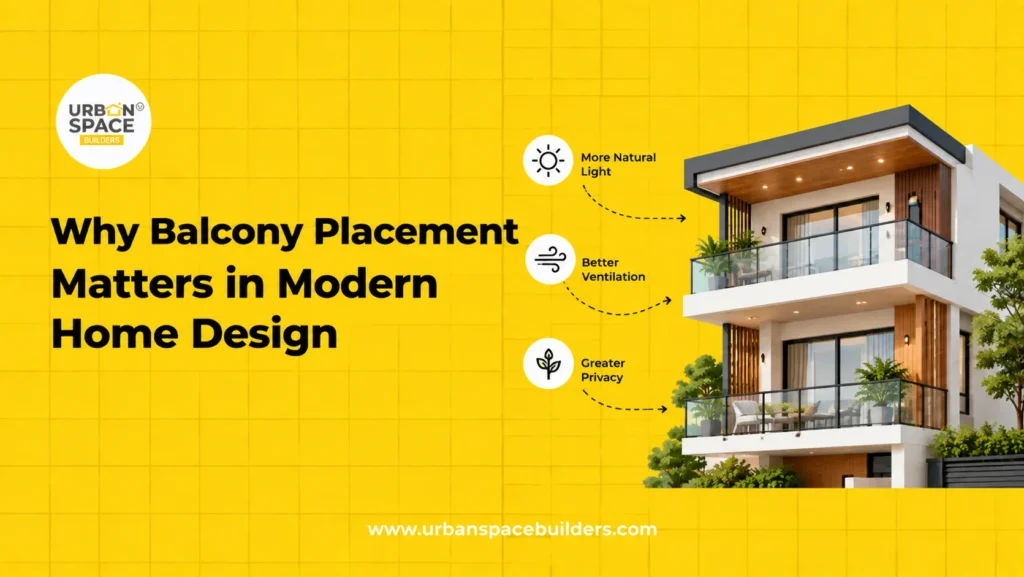
Why Balcony Placement Matters in Modern Home Design A balcony may look like a simple extension of a room, but its location can influence the comfort and function of your entire home. Poorly planned balconies may receive too much heat, expose private rooms, block useful indoor space or become difficult to use during rain. Good balcony design for modern homes starts during the floor-planning stage rather than after construction begins. At Urban Space Builders, balcony planning is considered together with room layout, natural lighting, airflow, privacy and structural requirements. In this guide, we explain what homeowners should consider before finalising a balcony for a new home in Chennai. What Is Balcony Placement in Home Design? Balcony placement refers to deciding where a balcony should be positioned within the house floor plan. It includes decisions such as: Which room should connect to the balcony? Which direction should the balcony face? How large should it be? Should it be open or covered? How much sunlight will it receive? Will neighbouring buildings affect privacy? How will rainwater drain from the space? Balcony planning should therefore be part of the overall architectural and structural design of the house. Why Is Balcony Placement Important? The right balcony location can improve both indoor and outdoor living. Better Natural Light A properly positioned balcony allows daylight to enter nearby rooms. This can make bedrooms and living areas feel brighter during the daytime. However, excessive direct sunlight can also increase indoor heat. The balcony orientation, shading and nearby openings should therefore be planned together. Improved Ventilation Balconies connected to doors or large windows can support natural airflow. When openings are positioned carefully on different sides of the house, they can encourage cross ventilation and make indoor areas feel more comfortable. This is especially useful when planning homes for Chennai’s warm and humid conditions. Better Privacy A balcony facing a busy road, neighbouring window or apartment block may provide very little privacy. Before finalising the balcony position, homeowners should consider the surrounding buildings, road direction and future development around the plot. Screens, plants, partial walls and suitable railing designs can provide additional privacy where required. More Functional Outdoor Space A balcony should have a clear purpose. Depending on its size, homeowners may use it for: Morning coffee Small seating arrangements Balcony gardens Reading Relaxing Drying clothes Connecting indoor rooms with outdoor space Planning the purpose early helps determine the right balcony size and layout. What Are the Key Benefits of a Well-Planned Balcony? Good balcony planning can provide several practical benefits: Better natural lighting Improved indoor airflow Additional outdoor living space Better connection with surrounding views Improved privacy when positioned correctly Space for plants and seating More attractive house elevation Better use of the available floor plan Greater comfort for family members A balcony should add useful space rather than simply become a decorative feature. What Features Should Be Considered in a Modern Balcony Design? Balcony Size The balcony should match its intended use. A narrow balcony may work for standing, plants or simple access, while a seating balcony requires more usable depth and floor space. Structural Design Balconies must be considered during structural planning. The structural engineer should evaluate the slab, reinforcement, loads and connections with the main building structure before construction begins. Railing Safety Balcony railings should be strong, properly installed and suitable for the home’s occupants. Families with children should pay particular attention to railing openings, climbable elements and furniture placement near the edges. Waterproofing Because balconies are exposed to rain and regular cleaning, proper waterproofing is important. Poor waterproofing can eventually allow moisture to affect walls, ceilings and adjoining rooms. Drainage The balcony floor must allow water to move towards appropriate drainage points. Incorrect floor slopes or blocked outlets may cause water to remain on the surface. Flooring Choose flooring suitable for outdoor use. The surface should provide good grip and withstand sunlight, moisture and regular cleaning. Shading Roof projections, pergolas, vertical screens or other shading features can reduce harsh sunlight and improve balcony usability. How Should You Plan Balcony Placement? Step 1: Understand How You Want to Use the Balcony Decide whether it will mainly be used for seating, plants, utility purposes or relaxation. Step 2: Study the Plot Orientation Understand the road direction, neighbouring properties, sunlight and surrounding views. Step 3: Plan It Along With the Floor Plan The balcony should work naturally with the bedroom, living room or other connected space. Avoid adding a balcony only after completing the main floor plan. Step 4: Consider Chennai’s Climate Plan for direct sunlight, heat, seasonal rain and humidity. Suitable shading, drainage and waterproofing can improve long-term usability. Step 5: Review Structural Requirements An architect and structural engineer should coordinate balcony dimensions and structural details before execution. Step 6: Plan Safety and Finishing Finalise railings, flooring, lighting, electrical points, drainage and waterproofing before finishing work begins. When Should Balcony Planning Happen During Construction? Balcony planning should ideally happen during the architectural design stage. The approximate sequence is: Home requirement discussion → Floor planning → Balcony position → Structural design → RCC construction → Waterproofing → Flooring → Railing installation → Final finishing Changing the size or location of a balcony after structural work begins may require additional design review and could increase construction complexity. Early planning is therefore usually easier than making major changes during execution. What Factors Affect Balcony Construction Cost? The cost of adding a balcony depends on several factors, including: Balcony size Structural design RCC requirements Railing material Glass or metal railing selection Flooring material Waterproofing work Drainage requirements Lighting Electrical points Ceiling or roof coverage Decorative finishes Instead of selecting a balcony only by appearance, homeowners should discuss the design, structural requirements and budget together. Which Balcony Type Works for a Modern Home? Different balcony designs suit different house layouts and homeowner needs. Attached Balcony An attached balcony works well with bedrooms and living rooms. It provides direct access from the indoor space and can be used for seating, plants

Why Balcony Placement Matters in Modern Home Design
Uncategorized

Why Balcony Placement Matters in Modern Home Design

Why Balcony Placement Matters in Modern Home Design A balcony may look like a simple extension of a room, but its location can influence the comfort and function of your entire home. Poorly planned balconies may receive too much heat, expose private rooms, block useful indoor space or become difficult to use during rain. Good balcony design for modern homes starts during the floor-planning stage rather than after construction begins. At Urban Space Builders, balcony planning is considered together with room layout, natural lighting, airflow, privacy and structural requirements. In this guide, we explain what homeowners should consider before finalising a balcony for a new home in Chennai. What Is Balcony Placement in Home Design? Balcony placement refers to deciding where a balcony should be positioned within the house floor plan. It includes decisions such as: Which room should connect to the balcony? Which direction should the balcony face? How large should it be? Should it be open or covered? How much sunlight will it receive? Will neighbouring buildings affect privacy? How will rainwater drain from the space? Balcony planning should therefore be part of the overall architectural and structural design of the house. Why Is Balcony Placement Important? The right balcony location can improve both indoor and outdoor living. Better Natural Light A properly positioned balcony allows daylight to enter nearby rooms. This can make bedrooms and living areas feel brighter during the daytime. However, excessive direct sunlight can also increase indoor heat. The balcony orientation, shading and nearby openings should therefore be planned together. Improved Ventilation Balconies connected to doors or large windows can support natural airflow. When openings are positioned carefully on different sides of the house, they can encourage cross ventilation and make indoor areas feel more comfortable. This is especially useful when planning homes for Chennai’s warm and humid conditions. Better Privacy A balcony facing a busy road, neighbouring window or apartment block may provide very little privacy. Before finalising the balcony position, homeowners should consider the surrounding buildings, road direction and future development around the plot. Screens, plants, partial walls and suitable railing designs can provide additional privacy where required. More Functional Outdoor Space A balcony should have a clear purpose. Depending on its size, homeowners may use it for: Morning coffee Small seating arrangements Balcony gardens Reading Relaxing Drying clothes Connecting indoor rooms with outdoor space Planning the purpose early helps determine the right balcony size and layout. What Are the Key Benefits of a Well-Planned Balcony? Good balcony planning can provide several practical benefits: Better natural lighting Improved indoor airflow Additional outdoor living space Better connection with surrounding views Improved privacy when positioned correctly Space for plants and seating More attractive house elevation Better use of the available floor plan Greater comfort for family members A balcony should add useful space rather than simply become a decorative feature. What Features Should Be Considered in a Modern Balcony Design? Balcony Size The balcony should match its intended use. A narrow balcony may work for standing, plants or simple access, while a seating balcony requires more usable depth and floor space. Structural Design Balconies must be considered during structural planning. The structural engineer should evaluate the slab, reinforcement, loads and connections with the main building structure before construction begins. Railing Safety Balcony railings should be strong, properly installed and suitable for the home’s occupants. Families with children should pay particular attention to railing openings, climbable elements and furniture placement near the edges. Waterproofing Because balconies are exposed to rain and regular cleaning, proper waterproofing is important. Poor waterproofing can eventually allow moisture to affect walls, ceilings and adjoining rooms. Drainage The balcony floor must allow water to move towards appropriate drainage points. Incorrect floor slopes or blocked outlets may cause water to remain on the surface. Flooring Choose flooring suitable for outdoor use. The surface should provide good grip and withstand sunlight, moisture and regular cleaning. Shading Roof projections, pergolas, vertical screens or other shading features can reduce harsh sunlight and improve balcony usability. How Should You Plan Balcony Placement? Step 1: Understand How You Want to Use the Balcony Decide whether it will mainly be used for seating, plants, utility purposes or relaxation. Step 2: Study the Plot Orientation Understand the road direction, neighbouring properties, sunlight and surrounding views. Step 3: Plan It Along With the Floor Plan The balcony should work naturally with the bedroom, living room or other connected space. Avoid adding a balcony only after completing the main floor plan. Step 4: Consider Chennai’s Climate Plan for direct sunlight, heat, seasonal rain and humidity. Suitable shading, drainage and waterproofing can improve long-term usability. Step 5: Review Structural Requirements An architect and structural engineer should coordinate balcony dimensions and structural details before execution. Step 6: Plan Safety and Finishing Finalise railings, flooring, lighting, electrical points, drainage and waterproofing before finishing work begins. When Should Balcony Planning Happen During Construction? Balcony planning should ideally happen during the architectural design stage. The approximate sequence is: Home requirement discussion → Floor planning → Balcony position → Structural design → RCC construction → Waterproofing → Flooring → Railing installation → Final finishing Changing the size or location of a balcony after structural work begins may require additional design review and could increase construction complexity. Early planning is therefore usually easier than making major changes during execution. What Factors Affect Balcony Construction Cost? The cost of adding a balcony depends on several factors, including: Balcony size Structural design RCC requirements Railing material Glass or metal railing selection Flooring material Waterproofing work Drainage requirements Lighting Electrical points Ceiling or roof coverage Decorative finishes Instead of selecting a balcony only by appearance, homeowners should discuss the design, structural requirements and budget together. Which Balcony Type Works for a Modern Home? Different balcony designs suit different house layouts and homeowner needs. Attached Balcony An attached balcony works well with bedrooms and living rooms. It provides direct access from the indoor space and can be used for seating, plants

Scroll to Top