

What Questions Should You Ask During a Site Visit? A …
Terrace Gardening: A Complete Guide to Benefits, Costs, and Setup
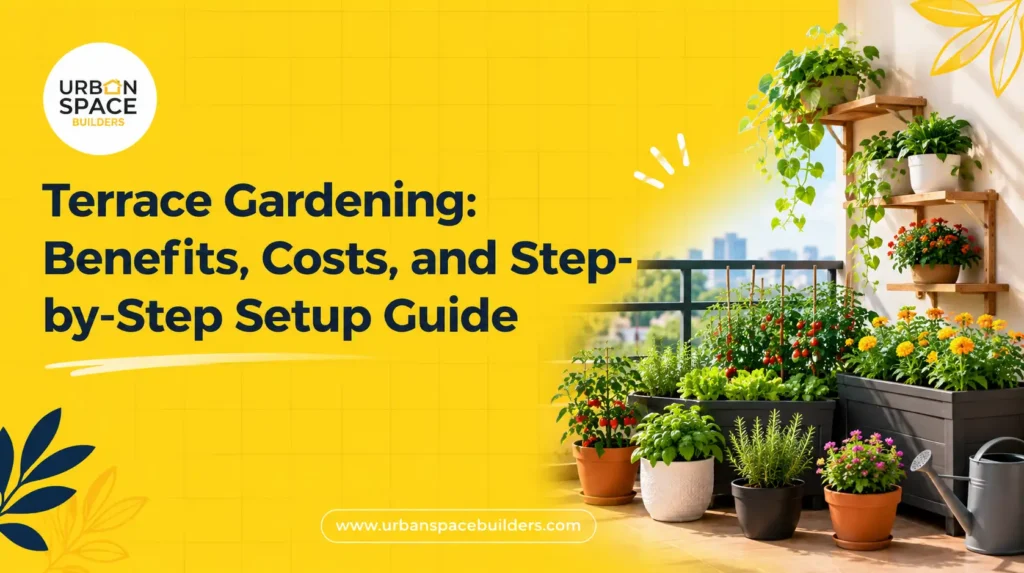
A terrace garden can turn an unused rooftop into a green, practical outdoor space for growing vegetables, herbs, flowers or ornamental plants. For homeowners in Chennai, it can also create a more pleasant place to relax while making better use of available space.
However, successful terrace gardening involves more than buying pots and plants. Before setting up a rooftop garden, homeowners should consider the roof’s structural capacity, waterproofing, drainage, sunlight, water supply and ongoing maintenance.
This guide explains the benefits of terrace gardening, the factors that influence setup costs, suitable plants for Chennai’s climate and the steps to plan a garden safely.
What Is Terrace Gardening?
Terrace gardening is the practice of growing plants on a building’s roof or terrace using containers, grow bags, raised beds or a properly designed rooftop landscaping system.
Depending on the available space and your requirements, a terrace garden can include:
- Vegetable gardens: Tomatoes, chillies, okra, brinjal and leafy greens.
- Herb gardens: Mint, basil, coriander and curry leaves.
- Flower gardens: Marigolds and other suitable flowering plants.
- Decorative greenery: Ornamental plants and compact shrubs.
- Relaxation areas: Seating surrounded by plants and greenery.
The right design depends on the terrace area, sunlight, maintenance preferences and the building’s structural limitations.
What Are the Benefits of Terrace Gardening?
1. Makes Better Use of Unused Space
Terraces are often used mainly for drying clothes or storing household items. A thoughtfully planned garden can make this space more useful without taking up ground-level areas.
2. Provides Space to Grow Fresh Produce
A small terrace garden can provide herbs, chillies, leafy vegetables and other suitable crops for household use. The quantity harvested depends on the available growing area, sunlight, plant care and growing conditions.
3. Creates a Relaxing Outdoor Environment
Plants and greenery can make an outdoor space more inviting. A terrace garden with comfortable seating can provide a place to unwind, read or spend time with family.
4. Can Help Manage Roof Heat
Vegetation and suitable green-roof systems can reduce some heat transfer through a roof. Results depend on the planting system, growing medium, irrigation, coverage and existing roof construction. A few pots should not be expected to replace proper roof insulation or other heat-control measures.
5. Supports Rainwater Management
A properly designed green-roof system can retain some rainfall and slow water runoff. However, terrace gardens must still have effective drainage, and they should not obstruct existing rainwater outlets or harvesting arrangements.
6. Adds Visual Appeal to a Home
Well-arranged planters, suitable lighting and a small seating area can make a terrace more attractive. The final design should balance appearance with safe movement, maintenance access and the terrace’s intended use.
What Should You Check Before Starting a Terrace Garden?
Before purchasing plants or filling containers, assess the terrace itself.
Check Structural Load Capacity
Wet growing medium, water-filled containers, planters, people and garden furniture all add weight. Larger raised beds and extensive landscaping can create substantial loads.
Ask a qualified structural engineer to assess whether the roof can safely support your proposed garden, particularly if you plan to install large planters, raised beds or heavy landscaping.
Do not assume that every concrete terrace can support the same garden design.
Inspect Waterproofing
Water seepage from a terrace can damage ceilings, walls, finishes and other parts of a building. Inspect the existing waterproofing and repair defects before installing the garden.
Where a designed roof-garden system is required, the build-up may include waterproofing, root protection, drainage, a filter layer and a suitable growing medium. The correct specification depends on the roof and the proposed garden.
Plan Drainage
Rainwater and irrigation water must be able to reach the designated drainage outlets. Keep outlets accessible and clear of soil, roots and leaves.
Avoid layouts that allow water to stagnate or direct water towards doorways and walls.
Observe Sunlight and Wind
Record how many hours of direct sunlight different parts of the terrace receive. Some vegetables need more sunlight than leafy greens or shade-tolerant ornamental plants.
Terraces can also experience stronger winds than ground-level gardens. Choose suitable plants and secure lightweight containers and any shade structures appropriately.
Check Water Supply and Access
Make sure watering is practical and that hoses or irrigation lines will not create trip hazards. Plan access for cleaning, pruning, carrying materials and maintaining roof fixtures.
How to Set Up a Terrace Garden Step by Step
Step 1: Decide Your Garden’s Purpose
Start with a clear goal. You may want to grow vegetables, cultivate herbs, create a decorative garden or combine planting with a seating area.
Your goal will determine the container types, plant selection, layout and maintenance requirements.
Step 2: Assess the Roof and Prepare the Surface
Arrange the necessary structural assessment and inspect the waterproofing and drainage before adding significant loads.
If repairs or a specialised rooftop-garden system are needed, complete this work before bringing in the growing medium and plants.
Step 3: Plan the Layout
Group plants according to their sunlight and watering needs. Leave clear walking paths and keep access to drainage outlets, water tanks and other rooftop services.
Place containers only where the roof has been assessed as suitable for the intended loads.
Step 4: Choose Suitable Containers
Common options include plastic pots, fabric grow bags and lightweight planters. Container selection should consider plant size, durability, drainage and the weight of the container when filled and watered.
Every container should allow excess water to drain without damaging the roof or creating water stagnation.
Step 5: Prepare the Growing Medium
Use a growing medium appropriate for the plant species and container. Lightweight mixes may help reduce weight compared with dense garden soil, but their fully saturated weight must still be considered in the structural assessment.
Compost and other suitable amendments can support plant growth. Avoid filling rooftop beds with heavy soil without professional assessment.
Step 6: Select Plants for Chennai’s Conditions
Choose plants according to sunlight, season, wind exposure, available container depth and the amount of care you can provide.
Suitable options for many home gardens include:
- Leafy greens: Amaranth and other locally suitable greens.
- Vegetables: Chillies, okra, brinjal and tomatoes where growing conditions are appropriate.
- Herbs: Mint, basil, curry leaves and coriander.
- Flowers: Marigolds and other varieties suited to the terrace’s sun exposure.
- Ornamental plants: Select compact, climate-suitable varieties that fit the available space and container size.
Plant performance varies by season and location. Check local growing guidance before selecting varieties.
Step 7: Arrange Watering and Irrigation
A small garden may be manageable with manual watering. Larger gardens may benefit from a properly planned drip-irrigation system.
Water according to the plant’s needs and the growing medium’s moisture level rather than following a fixed schedule for every container. Ensure that irrigation does not cause ponding or seepage.
Step 8: Establish a Maintenance Routine
Inspect plants regularly for pests, nutrient deficiencies and signs of water stress. Remove dead leaves, prune when required and replenish growing medium or nutrients according to plant needs.
Also inspect the roof periodically for blocked drains, damaged waterproofing and signs of moisture penetration.
Terrace Gardening Costs in Chennai
The cost of terrace gardening depends on the size of the garden and the condition of the existing terrace. A few containers and basic plants require a different budget from a fully landscaped rooftop with waterproofing, drainage, irrigation and seating.
The following table shows the main cost components to consider.
Cost component | What affects the cost |
Pots and grow bags | Number, size, material and durability |
Plants and seeds | Species, size, quantity and variety |
Growing medium and compost | Volume, composition and delivery |
Watering system | Manual watering, hoses or drip irrigation |
Waterproofing and repairs | Existing roof condition and required treatment |
Drainage and root protection | Roof layout and garden-system design |
Labour and transportation | Access to the terrace and material handling |
Maintenance | Water, nutrients, replacement plants and upkeep |
How Can You Estimate Your Terrace Garden Budget?
Before requesting quotations, define the area to be planted and separate the garden budget into two parts:
- Gardening setup: Containers, plants, growing medium, basic tools and irrigation.
- Terrace preparation and construction work: Structural assessment, waterproofing, drainage improvements, root protection and any required repairs.
These are different scopes of work and should be priced separately where practical.
Do not rely on one per-square-foot figure as a guaranteed price for every property. Request a site-specific quotation that identifies materials, labour, exclusions and any required repair work. Prices can vary with supplier rates, access, specifications and site conditions.
Common Terrace Gardening Mistakes to Avoid
Ignoring Structural Safety
Adding heavy planters or raised beds without assessing the roof can create unnecessary structural risk. Obtain professional advice before increasing the load.
Skipping Waterproofing Repairs
Covering a damaged roof with planters does not solve an existing leakage problem. Address the underlying issue before installation.
Blocking Drainage Outlets
Soil, roots and fallen leaves can obstruct drains. Keep outlets accessible and include drainage checks in the maintenance routine.
Choosing Plants Without Checking Sunlight
Plants that require direct sunlight may perform poorly in shaded locations. Match the plants to the conditions on your terrace.
Overwatering Plants
Excess water can damage plants, increase unnecessary weight and create drainage problems. Water according to plant requirements and ensure containers drain correctly.
Planning a Garden That Is Difficult to Maintain
Too many containers, inaccessible corners or complicated irrigation can make upkeep difficult. Start with a manageable layout and expand when you understand the maintenance requirements.
Is Terrace Gardening Suitable for Every Home?
Not every terrace is suitable for every type of garden. A small container garden may be practical on one roof, while another property may require repairs or structural assessment before any additional planting is introduced.
The most suitable approach depends on:
- Roof structure and permitted loads
- Waterproofing condition
- Drainage and rainwater management
- Available sunlight and wind exposure
- Water supply and access
- Garden size and maintenance needs
- Existing rooftop utilities and access routes
For homeowners planning a new house, considering future terrace use during the design stage can help coordinate structural requirements, drainage, waterproofing and water points before construction is completed.
Planning a Terrace Garden During House Construction
If you are building a home in Chennai, discuss your terrace-garden plans with your architect and structural engineer early in the design process.
Depending on the proposed garden, the design team can assess the required loads and coordinate suitable waterproofing, drainage, access and utility arrangements. Planning these elements in advance can reduce the need for disruptive changes after construction.
You can also read our guide on terrace planning for homes for more ideas on making rooftop space functional.
For broader construction planning, explore our guide to 10 factors to consider before starting building construction in Chennai.
Urban Space Builders helps homeowners plan residential construction with attention to space use, practical requirements and long-term usability. If you are planning a new home and want to discuss your terrace requirements, visit our contact page.
Conclusion: Transform Your Space with a Terrace Garden
Terrace gardening can make unused rooftop space more attractive and productive, whether your goal is to grow vegetables, maintain ornamental plants or create a relaxing outdoor area.
The best results begin with careful planning. Assess structural capacity, waterproofing, drainage, sunlight and water supply before choosing containers and plants. Then select a manageable layout and establish a regular maintenance routine.
For homeowners planning a new home in Chennai, considering terrace gardening during the design and construction stages can help coordinate these requirements from the beginning.
Recent Posts
What Questions Should You Ask During a Site Visit? A …
Let's Build Your Dream Home Now!

What Questions Should You Ask During a Site Visit? A construction site visit gives you much more information than a brochure, quotation …

What Questions Should You Ask During a Site Visit? A construction site visit gives you much more information than a brochure, quotation …

What Questions Should You Ask During a Site Visit? A construction site visit gives you much more information than a brochure, quotation …
How Staircase Design Affects Space and Comfort in a Home A staircase may occupy only one part of a house, but its …
Frequently Asked Questions
1. How much does terrace gardening cost in Chennai?
The cost depends on the garden area, number of containers, plants, growing medium, irrigation and the condition of the terrace. Waterproofing repairs, drainage improvements and specialised landscaping can add significantly to the total. Obtain a quotation based on the actual site and proposed scope.
2. Which plants are suitable for terrace gardening in Chennai?
Chillies, okra, brinjal, suitable leafy greens, mint, basil, curry leaves and marigolds are possible options for many home gardens. Select varieties based on the season, sunlight, container size and maintenance requirements.
3. Does a terrace garden cause roof leakage?
A properly designed and maintained system should account for waterproofing and drainage, but poor installation, existing defects or blocked outlets can contribute to water penetration. Inspect and repair the roof before installation and monitor it afterwards.
4. Can I start a terrace garden on an existing house?
Often, a container-based garden may be possible, but the roof’s structural capacity, waterproofing and drainage must be checked before adding significant weight. Consult a qualified professional if you plan substantial landscaping.
5. Does terrace gardening reduce indoor heat?
Vegetation and properly designed green-roof systems can reduce some heat transfer through a roof. The effect depends on the system design, plant coverage, moisture, insulation and existing building construction; results are not guaranteed for every terrace.