
Building a home is one of the largest financial investments a family makes. When planning a new build, it is easy to focus on exterior elevations, interior woodwork, and modern floor layouts. However, subterranean termites present an invisible threat beneath the ground that can quietly undermine these investments. Planning for professional anti termite treatment before construction begins creates an invisible chemical barrier in the soil, preventing these wood-destroying insects from entering your structure from the ground up.
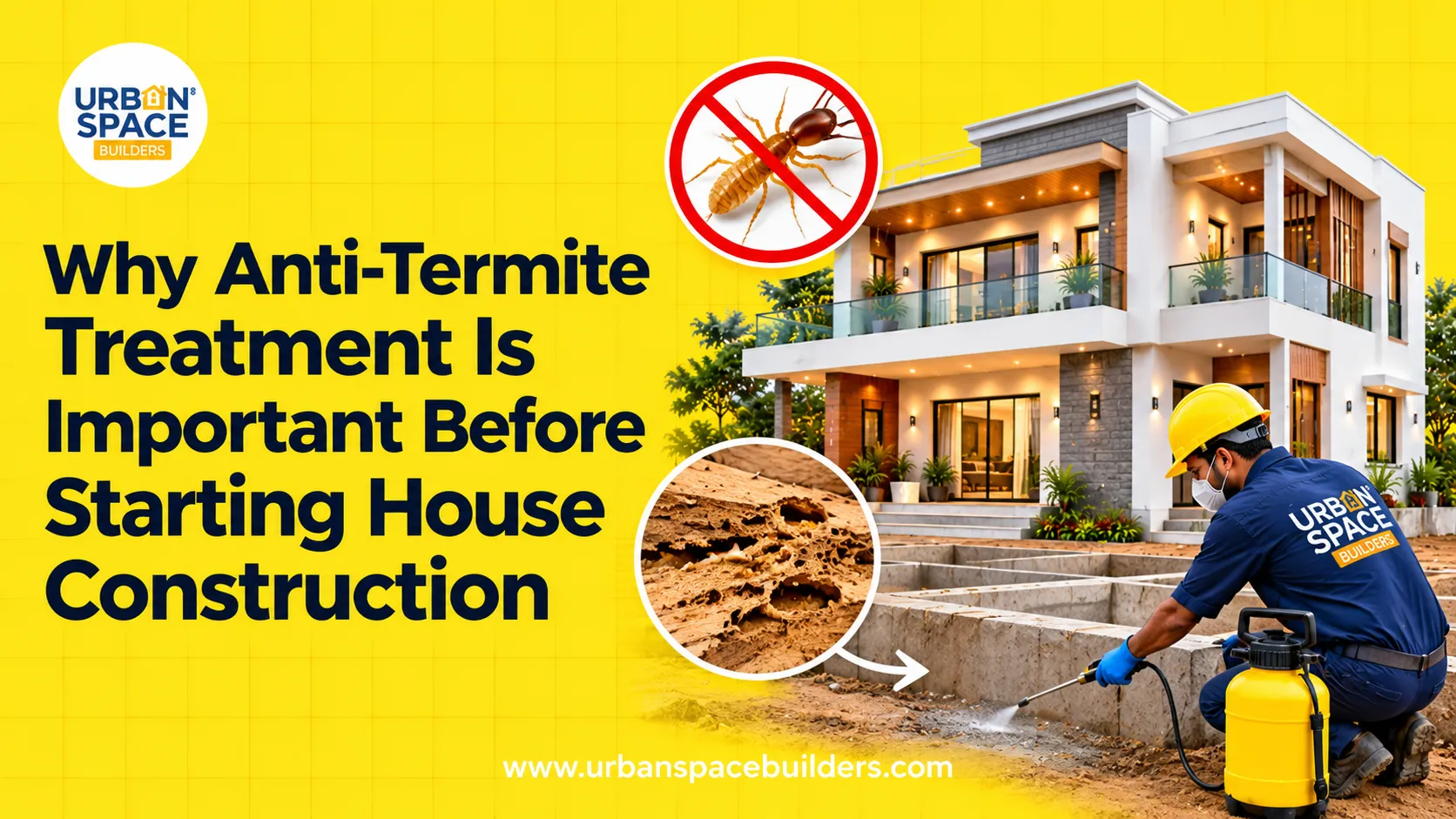
Subterranean termites thrive in warm, humid soil conditions, making proactive ground treatment an essential preventive step for residential projects in Chennai. Without early soil treatment, colonies beneath the earth can travel through minute fissures in concrete, expansion joints, and utility penetrations to access door frames, cupboards, and structural timber. Addressing this vulnerability during foundation stages is significantly more effective and less intrusive than attempting to treat an infestation once the house is fully built.
Is Anti-Termite Treatment Really Necessary Before Building a House?
Yes, pre-construction anti-termite treatment is essential because subterranean termites nest underground and enter structures through microscopic gaps in masonry, flooring, and utility passages. Treating the soil before laying foundations establishes a continuous chemical barrier beneath the entire footprint, which is impossible to replicate fully once concrete slabs and flooring are completed.
Post-construction remediation often requires drilling holes through finished tiles, skirting, and internal walls to inject chemical emulsions. This remedial approach is disruptive, costly, and rarely achieves the uniform coverage that early soil treatment provides during excavation and backfilling.
Understanding Subterranean Termites and Soil Chemistry
Subterranean termites live in large social colonies underground. They require two primary resources to survive: moisture from the soil and cellulose from wood, cardboard, or plant matter. Because they dehydrate quickly when exposed to open air, they construct shelter tubes made of soil, saliva, and digested wood to travel safely above ground level.
Pre-construction chemical treatment relies on termiticides applied directly to the soil at specific stages of excavation and masonry work. The chemical bonds with the soil particles, forming a treated zone. When foraging termites encounter this barrier, they are either deterred or eliminated before they can reach the structural elements of your building. This treatment works silently beneath the surface, protecting concealed timber, partition walls, and electrical conduits.
Crucial Stages of Pre-Construction Soil Treatment
Effective soil treatment is not a single, isolated task. It is a systematic process carried out in phases that match the progress of earthwork and structural foundations.
1. Bottom and Sides of Foundation Trenches
Once foundation trenches or column pits are excavated, the exposed bottom and sides of the earth receive a uniform chemical application. This step ensures that termites cannot migrate upward along the vertical sides of concrete footings or subsurface masonry walls.
2. Backfill Soil Along Masonry and Columns
After concrete footings and foundation walls are constructed, the earth used to backfill around these elements is treated as it is placed in compacted layers. Treating the backfill prevents subterranean colonies from establishing nests directly adjacent to foundation walls.
3. The Under-Slab Soil Bed
Before casting the ground floor concrete slab or laying the plain cement concrete bed, the entire compacted soil surface is treated. This continuous horizontal barrier prevents termites from finding micro-cracks in the floor slab or entering around utility pipelines.
4. Perimeter Soil Barrier
Once the external structure is completed, a final chemical barrier is applied along the outer perimeter of the building where the soil meets the plinth wall. This outer ring stops foraging insects from approaching the structure from adjacent garden areas or unpaved ground.
Why Post-Construction Treatment Cannot Match Early Prevention
Many homeowners wonder whether they can postpone termite protection until after moving into their new home. While post-construction treatments are widely available, they represent a corrective measure rather than ideal prevention.
Injecting chemicals into finished floors requires drilling holes at regular intervals through expensive vitrified tiles, marble, or granite. These injection points can rarely saturate the soil beneath the entire slab as thoroughly as direct application during construction. Furthermore, subterranean termites often feed on the interior of timber structures for months before leaving visible external signs. By the time mud tubes appear on walls or door frames show hollowed surfaces, significant damage has already occurred.
Budgeting for Termite Protection in Residential Projects
When reviewing construction packages, homeowners should examine how foundation preparation and chemical barriers are handled. Soil treatment is typically quantified and priced based on the plinth area or the surface area of treated trenches and under-slab earth.
It is important to remember that preliminary cost estimates based solely on built-up area may not automatically specify the depth or chemical specification of ground treatment. A complete project budget requires clear written documentation showing:
- The specific government-approved termiticide to be applied.
- The concentration and dilution ratio specified by relevant building standards.
- The application stages included in the contractor scope of work.
- The measurement basis used for certifying completed work.
Comparing contractor quotations on an identical scope ensures you do not inadvertently select a lower quote that omits essential chemical barriers during early excavation stages.
Planning Your Build in Chennai with Urban Space Builders
Ground conditions vary considerably across different neighbourhoods in Chennai, ranging from dense clay soils to coastal sands and high water-table zones. Selecting the appropriate construction sequence and ground treatment schedule requires thoughtful planning before work commences on site.
When coordinating with the team at Urban Space Builders for residential construction services, sharing your plot boundary details, soil test observations, and structural drawings helps establish clear specifications from the excavation stage. Early planning ensures that essential preventive steps, including chemical soil barriers and adequate plinth heights, are incorporated into the overall schedule without causing construction delays.
Key Quality Checks During Application
Homeowners can monitor simple quality measures to verify that the chemical treatment is executed correctly on site:
- Weather Conditions: Chemical emulsion should never be sprayed onto waterlogged soil or during heavy rainfall, as water dilution washes away the active ingredients before they bind to soil particles.
- Earth Compaction: The soil bed should be fully levelled, compacted, and free of organic debris like tree roots, dry leaves, and scrap timber before application.
- Continuous Membrane: Once the under-slab soil is treated, concrete should ideally be poured promptly to prevent sunlight, wind, or foot traffic from disturbing the treated chemical layer.
Conclusion
Protecting a residential building from termite intrusion begins long before the roof is cast or interior cabinetry is installed. Treating the soil during the earliest phases of foundation work creates a durable, invisible barrier that protects structural timber, cabinetry, and interior investments for years to come. When you are ready to plan your home build, discuss your project with Urban Space Builders to receive a detailed, project-specific quotation that covers every essential stage from foundation preparation to final handover.
Frequently Asked Questions
When is the ideal time to apply anti-termite treatment during construction?
The treatment should be carried out in stages: first in the bottom and sides of excavated foundation trenches, next in the backfill soil around foundation walls, and finally across the compacted earth bed before casting the ground floor slab.
How long does pre-construction anti-termite treatment remain effective?
The protective duration depends on the chemical formulation, concentration used, soil moisture levels, and whether the barrier remains undisturbed. Proper soil preparation and adherence to recommended dilution ratios help maintain barrier integrity for several years.
Can anti-termite treatment harm concrete foundations?
Standard termiticides approved for construction use are formulated to bond with soil particles and do not react adversely with concrete, steel reinforcement, or masonry when applied according to manufacturer instructions.
Is chemical soil treatment safe for residential environments?
When applied by trained professionals during early construction stages beneath concrete slabs and sealed foundations, the chemicals remain bound to subsurface soil particles away from living spaces and direct human contact.
Can pest control be completed after the house is built instead?
Post-construction treatment is possible, but it requires drilling holes through finished floor tiles, masonry walls, and outdoor pathways. It is more intrusive and rarely achieves the uniform protective coverage of early soil treatment.