
What Questions Should You Ask During a Site Visit? A …
Construction Mistakes That Can Reduce Property Value
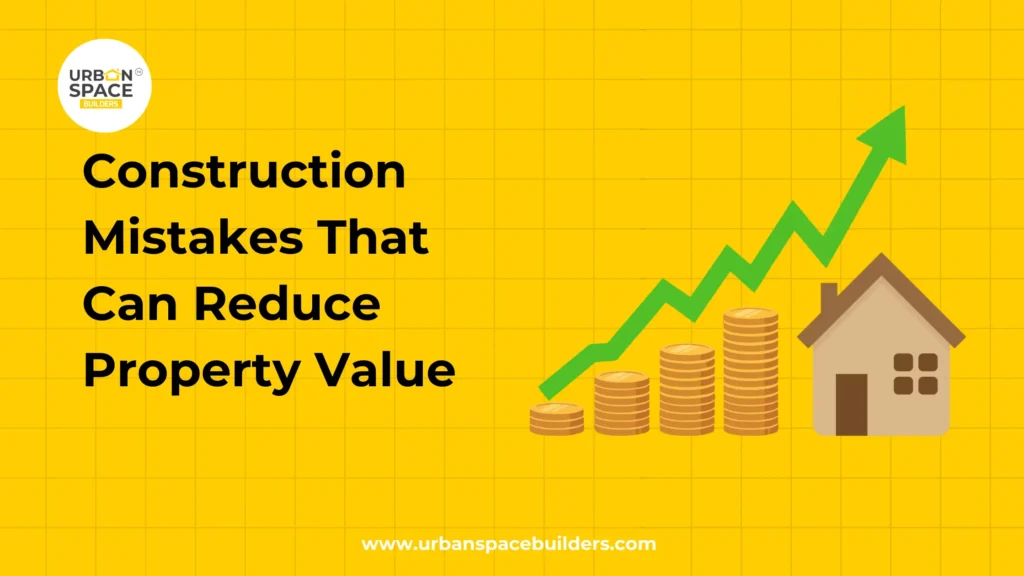
Building a home is one of the most important financial decisions you will make. While most homeowners focus on design, interiors, and aesthetics, they often overlook small construction mistakes that can significantly reduce property value in the future.
A house is not just a place to live. It is a long-term investment. Poor construction quality, weak planning, or neglecting essential features can affect durability, safety, energy efficiency, and resale value. Buyers today are more informed and prefer homes that are structurally sound, functional, and easy to maintain.
If you are planning to build your dream home, understanding these mistakes can save you from expensive repairs and help you preserve your property’s market value for years to come.
1. Ignoring Soil Testing Before Construction
One of the biggest mistakes homeowners make is skipping soil testing before starting construction.
The strength of a house depends heavily on the soil beneath it. If the soil is weak or unsuitable, the foundation may develop cracks, uneven settlement, or structural instability over time.
A poor foundation not only creates safety concerns but also lowers the resale value of the property because buyers are cautious about structural issues.
Professional builders always conduct proper soil analysis and design the foundation accordingly to ensure long-term stability and durability. Foundation problems are among the most common reasons buyers reduce their offers or avoid purchasing a property altogether.
2. Choosing Cheap Construction Materials
Trying to save money by purchasing low-quality materials can become very expensive later.
Using inferior cement, steel, plumbing pipes, electrical wires, tiles, or waterproofing materials may lead to:
- Wall cracks
- Water leakage
- Corrosion
- Electrical hazards
- Frequent maintenance expenses
Buyers inspect the overall quality of a home before making a purchase. If the house shows signs of poor workmanship or material failure, it directly impacts property value.
Investing in premium construction materials increases durability and enhances buyer confidence.
3. Poor Space Planning and House Layout
A beautiful house with an impractical layout can reduce buyer interest significantly.
Common layout mistakes include:
- Small bedrooms
- Narrow staircases
- Poor ventilation
- Insufficient storage space
- Dark interiors
- Awkward room placements
Modern homeowners prefer spacious, functional homes with open layouts and natural lighting.
Eliminating bedrooms, reducing bathrooms, or removing essential storage areas can lower the usability and market appeal of a home. Experts note that reducing functional spaces often decreases property value because buyers prioritize practicality over personalization.
4. Neglecting Waterproofing
Water seepage is one of the most feared problems in residential construction.
Many homeowners ignore proper waterproofing during construction to save costs. However, this mistake can lead to:
- Damp walls
- Mold growth
- Ceiling leakage
- Paint damage
- Structural weakening
Water damage affects both aesthetics and structural integrity.
Potential buyers often consider seepage as a red flag because repairs are expensive and recurring. Proper waterproofing of terraces, bathrooms, basements, and external walls protects your home and preserves its value.
5. Poor Electrical and Plumbing Planning
Electrical and plumbing systems are hidden inside the walls, making repairs difficult after construction.
Some common mistakes include:
- Insufficient electrical points
- Improper pipe sizing
- Poor drainage slope
- Low-quality fittings
- Unsafe wiring
These issues can cause inconvenience, safety hazards, and frequent maintenance.
A home with well-planned utilities is always more attractive to buyers because it reduces future repair expenses and improves living comfort.
6. Ignoring Natural Light and Ventilation
Natural lighting and ventilation play a major role in the comfort and value of a home.
Poor ventilation can cause:
- Higher electricity bills
- Excess humidity
- Poor indoor air quality
- Dark and uncomfortable living spaces
Homes with ample sunlight and airflow feel larger, healthier, and more inviting.
Modern buyers actively look for homes with energy-efficient designs, larger windows, and proper cross ventilation because these features improve living quality and reduce long-term costs.
7. Poor Exterior Appearance
First impressions matter. Even if the interiors are excellent, a neglected exterior can reduce buyer interest instantly.
Common exterior mistakes include:
- Poor landscaping
- Cracked pathways
- Peeling paint
- Broken lighting
- Untidy gardens
- Damaged boundary walls
Studies show that curb appeal significantly influences property value and buyer perception. Well-maintained exteriors create trust and improve the overall attractiveness of a property.
Investing in exterior aesthetics is not an expense. It is an investment that improves resale value.
8. Over Personalizing the Home
Many homeowners design their homes entirely based on personal preferences without considering future resale value.
Examples include:
- Extremely bold colors
- Themed rooms
- Unusual layouts
- Excessive luxury features
- Highly customized interiors
While these choices may suit your lifestyle, they may not appeal to a broader audience.
Real estate experts advise maintaining a balance between personalization and universal appeal. Overly customized homes often attract fewer buyers and may sell at lower prices.
9. Ignoring Energy Efficiency
Energy efficiency has become a major factor influencing property value. Homes that consume excessive electricity are less attractive to buyers.
Common mistakes include:
- Poor insulation
- Low-quality windows
- Inefficient lighting
- Lack of solar readiness
- Improper ventilation
Energy-efficient homes provide:
- Lower utility bills
- Better indoor comfort
- Reduced environmental impact
- Higher resale value
Planning energy-saving features during construction is far easier and cheaper than upgrading later.
10. Hiring Inexperienced Builders
Selecting the wrong builder can lead to numerous construction issues.
An inexperienced contractor may compromise on:
- Material quality
- Construction standards
- Project management
- Structural safety
- Finishing quality
Poor workmanship is one of the leading reasons homes lose value. Uneven floors, crooked walls, and poorly installed doors or windows create a negative impression and raise concerns about hidden defects.
Choosing experienced professionals ensures that your investment is protected from costly mistakes.
If you are looking for trusted experts, explore the services offered by Urban Space Builders and learn how experienced professionals can help you build a high-quality home.
How to Protect Your Property Value During Construction
To ensure your home retains and increases its value:
- Conduct soil testing before construction.
- Choose premium quality materials.
- Invest in proper waterproofing.
- Plan spacious and functional layouts.
- Prioritize natural lighting and ventilation.
- Use energy-efficient designs.
- Maintain attractive exteriors.
- Avoid excessive customization.
- Hire experienced and reliable builders.
- Schedule regular home maintenance.
After completing construction, proper upkeep is equally important. Read this guide on home maintenance to keep your property in excellent condition: How to Maintain Your Home After Construction Is Completed.
If you are worried about budget, delays, or construction quality, this article addresses the common concerns homeowners face before building: Common Fears Homeowners Have Before Starting Construction.
Conclusion
Construction mistakes may seem minor during the building phase, but they can have a lasting impact on property value. From weak foundations and poor layouts to low-quality materials and inexperienced builders, every decision influences the long-term worth of your home.
A well-planned and professionally constructed house offers more than comfort. It provides safety, lower maintenance costs, higher resale value, and peace of mind.
By avoiding these common construction mistakes and partnering with experienced professionals, you can build a home that remains valuable for generations while offering the lifestyle you envision.
You can also explore completed residential projects for inspiration.
Frequently Asked Questions (FAQs)
- What construction mistakes reduce property value the most?
Poor foundation work, low-quality materials, waterproofing issues, and bad house layouts are among the biggest factors that reduce property value.
- Does poor waterproofing affect resale value?
Yes. Water leakage and damp walls create structural concerns and reduce buyer confidence.
- Why is ventilation important in house construction?
Good ventilation improves indoor air quality, reduces electricity bills, and increases the overall appeal of the home.
- Can cheap construction materials reduce home value?
Yes. Inferior materials lead to frequent repairs and negatively impact durability and resale value.
- How do I avoid construction mistakes?
Hire experienced builders, use quality materials, plan carefully, and conduct regular quality inspections throughout the project.
Recent Posts
What Questions Should You Ask During a Site Visit? A …
Let's Build Your Dream Home Now!
What Questions Should You Ask During a Site Visit? A construction site visit gives you much more information than a brochure, quotation …
What Questions Should You Ask During a Site Visit? A construction site visit gives you much more information than a brochure, quotation …
What Questions Should You Ask During a Site Visit? A construction site visit gives you much more information than a brochure, quotation …
How Staircase Design Affects Space and Comfort in a Home A staircase may occupy only one part of a house, but its …