- +1 (212)-695-1962
- info@elementskit.com
- 463 7th Ave, NY 10018, USA.
How to Handle Design Changes During Construction
Building a home or commercial property is an exciting journey, but it is also a complex process involving planning, coordination, and execution. Even with detailed planning, design changes during construction are common. Homeowners often want to modify layouts, upgrade materials, or add features after construction begins.
While design changes can improve the final outcome, they can also affect timelines, budgets, and project coordination. Managing them properly is essential to avoid delays and additional costs.
In this blog, Urban Space Builders explains how to handle design changes during construction effectively so that your project stays on track while achieving your dream design.
Why Design Changes Happen During Construction
Design changes are a normal part of construction projects. In many cases, homeowners finalize certain decisions only after seeing the physical structure.
Common reasons include:
- Change in room layout or space planning
- Upgrading materials such as tiles, flooring, or fittings
- Structural modifications
- Budget adjustments
- Unforeseen site conditions
- Design errors in the initial plan
Construction projects often require change orders, which are official documents that modify the original scope of work, cost, or schedule in a contract.
Because these changes can impact cost and timelines, managing them properly is essential for smooth project execution.
Impact of Design Changes on Construction Projects
When design changes occur without proper planning, they can lead to several challenges.
- Project Delays
Changes made after construction begins may require demolition, redesign, or new approvals. This can slow down the project schedule.
- Increased Construction Costs
Changing materials or layouts can increase labor and material costs.
- Workflow Disruption
Construction projects involve multiple teams. Sudden design changes can disrupt the work sequence and affect contractors.
- Approval and Compliance Issues
Certain structural or architectural changes may require updated approvals from authorities.
If you are planning construction in Chennai, understanding legal approvals and building regulations is essential. You can learn more in our guide on
Construction Rules and Approvals in Chennai.
Best Practices to Handle Design Changes During Construction
To manage design modifications effectively, homeowners and builders should follow a structured approach.
1. Finalize Design Before Construction Begins
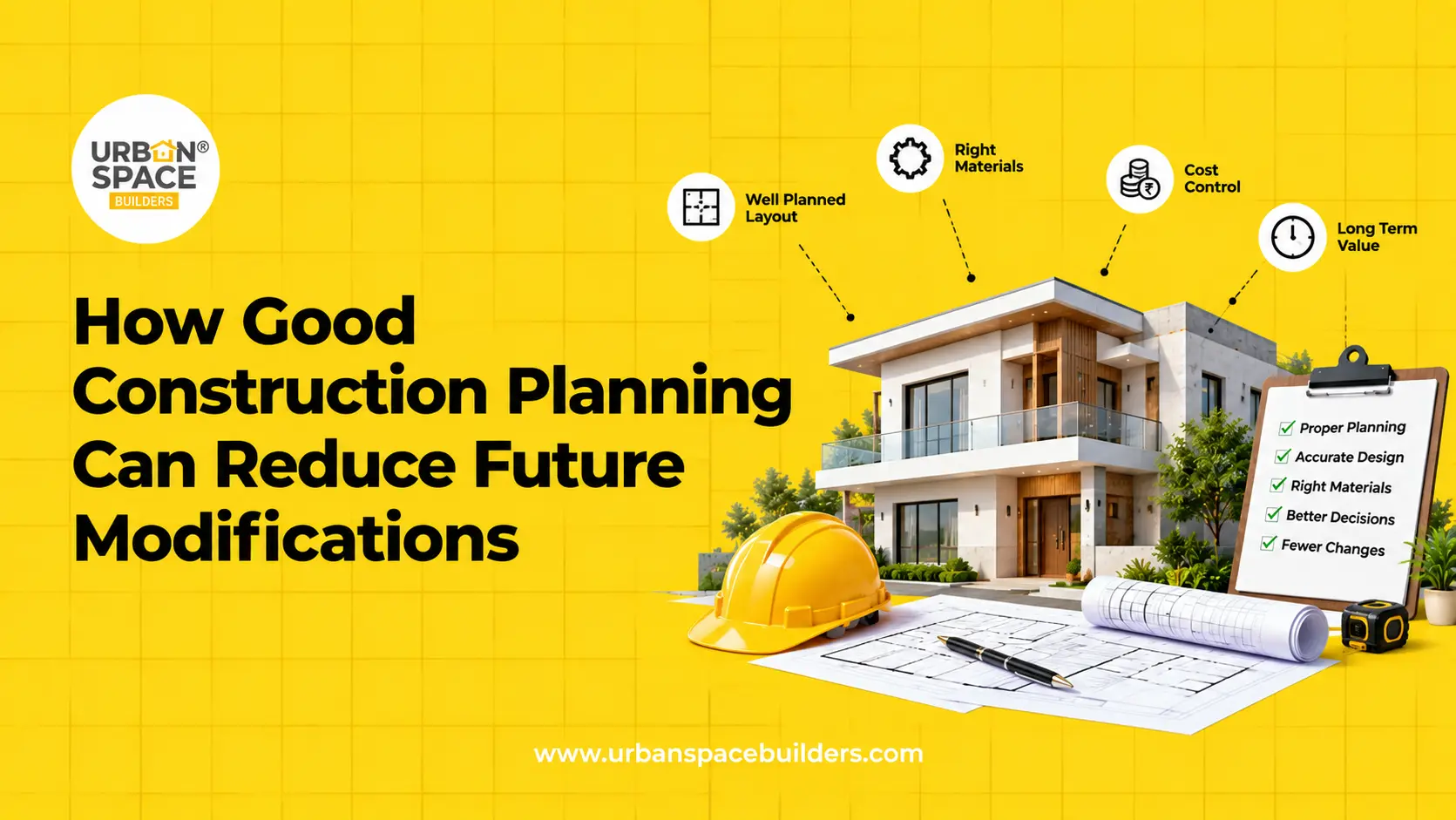
The best way to minimize design changes is to finalize the architectural plan, interior layout, and materials before construction starts.
A detailed planning phase should include:
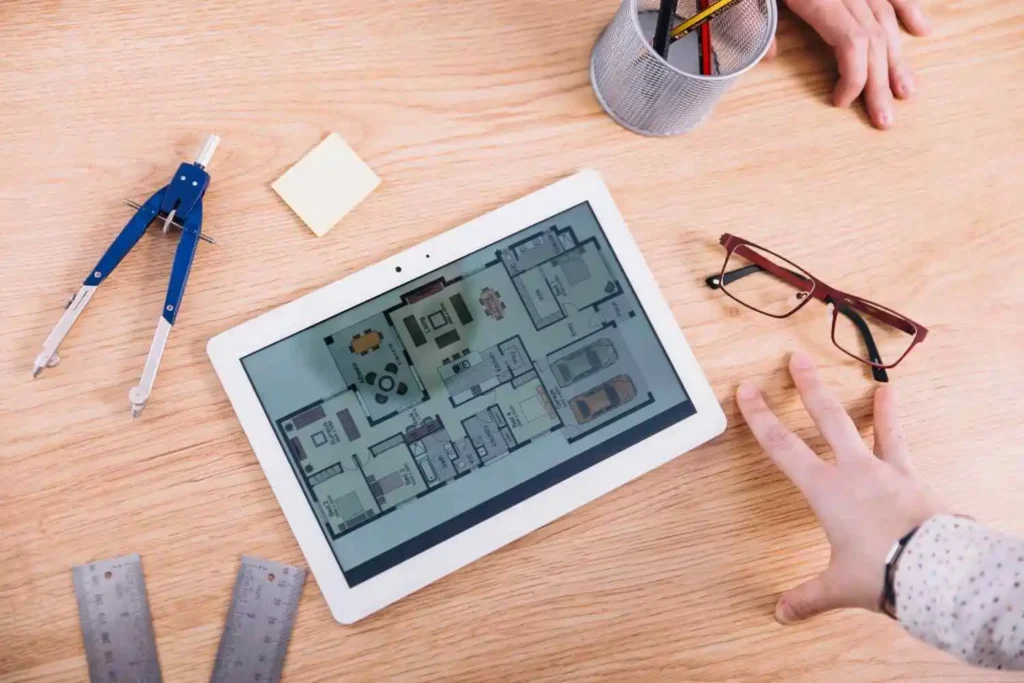
- 3D design visualization
- Material selection
- Electrical and plumbing layouts
- Furniture planning
- Budget allocation
Proper planning reduces the chances of costly modifications during construction.
2. Follow a Structured Change Order Process
Whenever a design change is required, it should follow a construction change order process.
A change order typically includes:
- Description of the design change
- Impact on cost
- Impact on project timeline
- Updated scope of work
- Approval from both homeowner and builder
Change orders ensure that all modifications are documented and agreed upon before implementation.
This prevents misunderstandings and keeps the project transparent.
3. Evaluate Cost and Timeline Impact
Before approving any design change, it is important to analyze:
- Additional material costs
- Additional labor costs
- Delay in construction schedule
- Impact on other construction activities
Professional builders evaluate these factors before implementing the change to ensure the project remains feasible.
4. Maintain Clear Communication with the Builder
Communication plays a critical role in managing construction changes. All stakeholders including architects, contractors, engineers, and homeowners must stay informed.
Best communication practices include:
- Regular site meetings
- Progress updates
- Written documentation for changes
- Transparent cost discussions
Clear communication ensures that everyone understands the change and its impact on the project.
5. Document Every Change Properly
Never rely on verbal agreements during construction. Every design change must be documented.
Documentation should include:
- Updated drawings
- Change order approval
- Revised cost estimate
- Updated construction schedule
Proper documentation helps avoid disputes and keeps the project organized.
6. Assess Structural and Legal Implications
Certain design changes may affect structural safety or require additional approvals.
For example:
- Adding extra floors
- Changing structural walls
- Modifying staircase or foundation design
Such modifications may require structural engineering review and regulatory approvals. Builders must ensure the design change complies with local building rules.
You can read more about the difference between construction models here: Turnkey Construction vs Labour Contract.
Understanding your construction approach can significantly influence how design changes are managed.
7. Work with Experienced Builders
Handling design changes requires experience, coordination, and technical knowledge.
Experienced builders can:
- Evaluate feasibility quickly
- Estimate cost accurately
- Coordinate with contractors efficiently
- Prevent delays and disputes
Professional construction companies follow systematic change management processes to evaluate cost, schedule impact, and project risks before implementing modifications.
This ensures that design changes improve the project instead of creating complications.
Tips to Minimize Design Changes During Construction
Although changes can happen, homeowners can reduce them by following these tips:
- Spend more time in the planning stage
- Use 3D visualization before construction
- Finalize materials early
- Review architectural drawings carefully
- Consult experienced builders before making changes
A well-planned project reduces uncertainty and ensures smoother construction.
Final Thoughts
Design changes during construction are common, but they must be handled carefully to avoid delays and cost overruns. The key is to follow a structured process that includes planning, documentation, communication, and professional evaluation.
By working with experienced builders and using a proper change management approach, homeowners can successfully incorporate design improvements without disrupting the project.
If you are planning to build a home in Chennai, choosing the right Residential Home Construction Packages and working with experienced professionals can make the process smoother, more efficient, and stress-free.
With the right planning and expert guidance, you can handle design changes during construction while still achieving your dream home.
Frequently Asked Questions
- What are design changes in construction?
Design changes in construction refer to modifications made to the original architectural or structural plans after construction has started. These changes may involve layout adjustments, material upgrades, structural alterations, or interior design modifications.
- How do design changes affect construction costs?
Design changes can increase construction costs because they may require additional materials, extra labor, rework of completed structures, or project delays. Proper planning and a documented change order process help control these costs.
- What is a change order in construction?
A change order in construction is a formal document that records any modification to the original construction plan, scope of work, cost, or project timeline. It ensures that both the homeowner and contractor approve the changes before implementation.
- Can design changes delay a construction project?
Yes, design changes can delay construction if they require redesign, demolition of completed work, additional approvals, or new materials. Proper coordination and early decision-making can reduce delays.
- How can homeowners avoid design changes during construction?
Homeowners can reduce design changes by finalizing architectural plans, selecting materials early, reviewing 3D designs, and discussing requirements with builders before construction begins. Proper planning helps prevent costly modifications later.
- Is it possible to make structural changes after construction starts?
Structural changes can be made during construction, but they require evaluation by structural engineers and sometimes additional approvals. These changes may also increase costs and extend the project timeline.
- Who approves design changes during construction?
Design changes are typically approved by the homeowner, architect, and contractor. In some cases, structural engineers or local authorities must approve the changes if they affect building safety or regulations.
Recent Posts
How to Handle Design Changes During Construction Building a home …
Turnkey Construction vs Labour Contract: Which Is Better? When planning …
Let's Build Your Dream Home Now!
How to Handle Design Changes During Construction Building a home or commercial property is an exciting journey, but it is also a …
Turnkey Construction vs Labour Contract: Which Is Better? When planning to build a home, one of the most important decisions homeowners must …
Construction Rules and Approvals Every Chennai Home Owner Must Know Building your dream home in Chennai is an exciting milestone. However, many …
How Climate Change Is Influencing Building Design in Chennai The construction industry is changing faster than ever. Earlier, buildings were designed mainly …