Complete Checklist Before Starting House Construction Chennai

Complete Checklist Before Starting House Construction Chennai

Building your own house is one of the biggest milestones in life. But many homeowners in Chennai and across India make one common mistake. They start construction first and planning later. That is why projects get delayed, budgets increase, and stress begins. Urban Space Builders has seen many projects face avoidable issues simply because proper pre-construction planning was not done.

Before even laying the first brick, there are multiple legal, financial, and technical steps you must complete. This complete checklist will help you avoid costly errors and ensure your dream home construction runs smoothly from day one.

1. Fix Your Budget & Financial Planning

Before construction starts, financial planning must be crystal clear. A well-planned budget prevents halfway stoppage and unexpected loans during construction. Many house owners underestimate the real cost because they only calculate building cost and ignore additional expenses.

You must calculate:

  • Total savings available
  • Home loan eligibility
  • EMI affordability
  • Emergency reserve fund

Also include hidden costs:

  • Architect fees
  • Government approval charges
  • Borewell and EB connection
  • Compound wall
  • Interior works
  • Material price fluctuations

Read more: How to Reduce Construction Cost Without Compromising Quality

2. Verify Land Documents (Very Important Step)

Legal verification is the foundation of safe home construction. Even a perfectly built house becomes a problem if documents are not clear. Many people skip this step and later face loan rejection or legal notice.

Documents to verify:

  • Parent document
  • Sale deed
  • Patta
  • Chitta
  • 30-year Encumbrance Certificate
  • CMDA or DTCP approval

Problems if ignored:

  • Bank loan rejection
  • Government penalties
  • Property disputes

3. Soil Test (Site Inspection)

The strength of your house depends on the strength of your soil. Soil testing decides the type of foundation required for the building. Skipping soil testing can cause wall cracks, sinking foundation, and future structural damage.

Soil test identifies:

  • Soil bearing capacity
  • Required foundation depth
  • Groundwater level
  • Footing type

Benefits:

  • Prevents structural cracks
  • Saves foundation cost
  • Ensures safety

4. Hire the Right Construction Company

Choosing the right builder determines whether your project becomes peaceful or stressful. An experienced construction company manages approvals, quality, and timelines. A professional builder also prevents material wastage and rework.

Check before selecting:

  • Previous projects
  • Client testimonials
  • Site visit experience
  • Material quality

Also Check: Construction Packages in Chennai: How Construction Packages Simplify Your Building Journey

5. Architectural Planning & House Design

Designing your home is not only about beauty but also comfort and functionality. Proper planning improves ventilation, lighting, and long-term usability. Good architectural design reduces electricity usage and increases property value.

Plan carefully:

  • Floor plan
  • Room size
  • Ventilation
  • Natural lighting
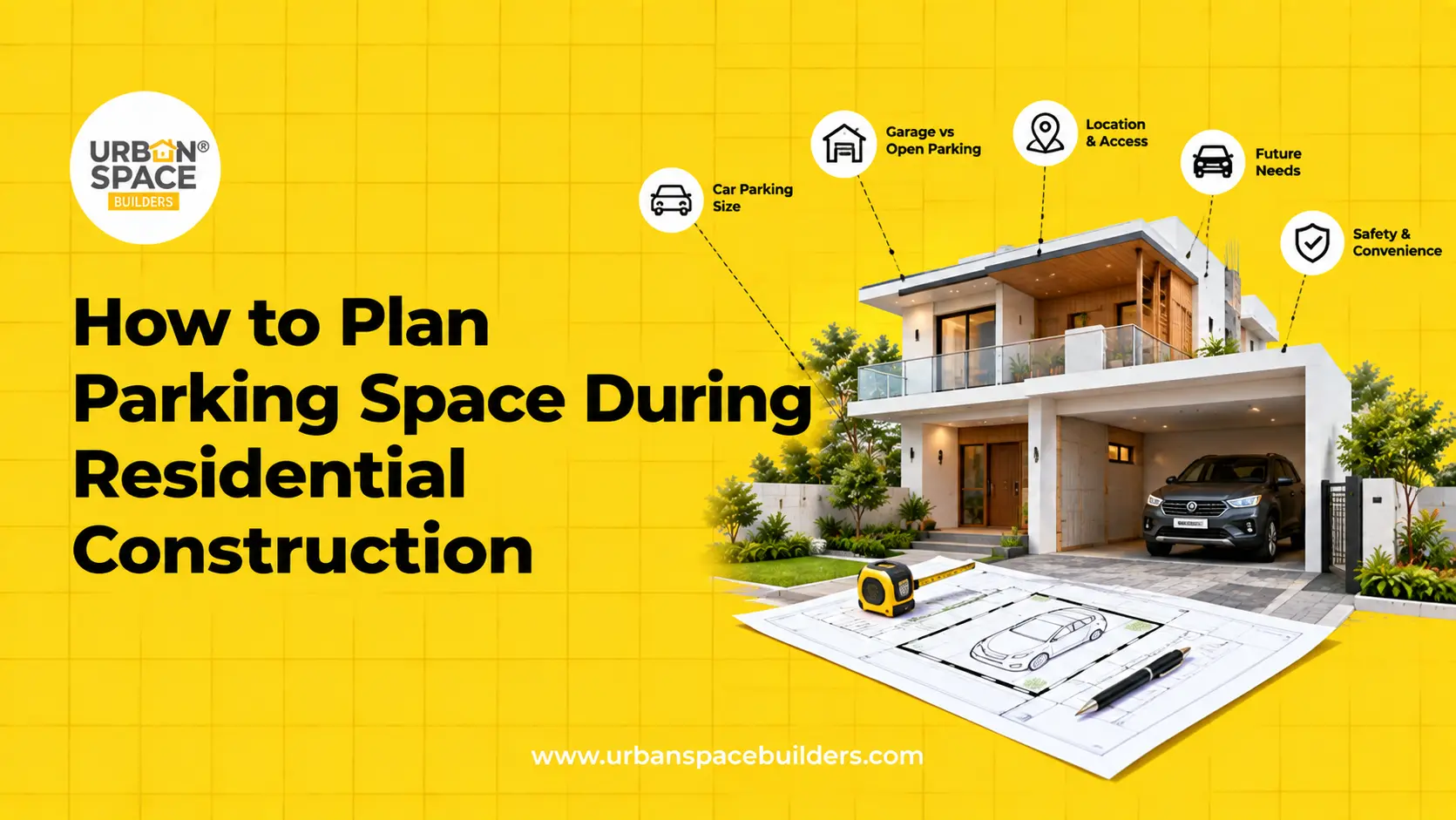
  • Parking
  • Future floor expansion

Benefits:

  • Better air circulation
  • Lower electricity bills
  • Comfortable living

6. Get Building Plan Approval

Government approval is legally mandatory before starting house construction. Starting work without approval can lead to stop notice or demolition. Approval ensures your building follows local construction rules and safety regulations.

Authorities involved:

  • CMDA
  • DTCP
  • Local corporation
  • Panchayat (depending location)

Documents required:

  • Patta copy
  • FMB sketch
  • Architect plan
  • Structural drawing
  • Ownership proof

7. Structural Drawing & Engineering Plan

Architect drawing shows appearance but structural drawing ensures safety. This plan is prepared by a structural engineer. It defines how strong your building will be for the next 50 years.

Includes:

  • Column placement
  • Beam size
  • Footing design
  • Steel reinforcement

Importance:

  • Earthquake safety
  • Load stability
  • Long building life

8. Vastu Planning (Optional but Popular in India)

Many homeowners prefer Vastu-based construction for peace and positive energy. Correct placement is easy before construction and difficult after completion. Even small mistakes later require expensive alterations.

Common Vastu considerations:

  • Main entrance direction
  • Kitchen placement
  • Master bedroom location
  • Staircase direction
  • Borewell location

Advantages:

  • Better natural light
  • Improved airflow
  • Psychological comfort

9. Water, Electricity & Site Preparation

Construction cannot start without basic site arrangements. Proper preparation avoids labour waiting time and project delay. Site preparation is often ignored but affects project speed directly.

Arrange before construction:

  • Temporary EB connection
  • Borewell or tanker water
  • Site cleaning
  • Material storage
  • Worker accommodation

Why important:

  • Prevents delays
  • Improves work efficiency
quality construction at low cost
House construction in 2026

10. Material Selection Planning

Material quality determines house durability. Selecting materials late causes confusion and disputes with contractors. Pre-deciding materials helps control cost and maintain consistent quality.

Decide in advance:

  • Cement brand
  • Steel brand
  • Brick or block type
  • Sand quality
  • Plumbing pipes
  • Electrical wiring

Benefits:

  • Cost control
  • Quality consistency
  • Faster work

11. Timeline & Agreement

A written agreement protects the homeowner. It ensures clarity between builder and client about payments and completion date. Without agreement, delays and cost increase become common.

Agreement must include:

  • Construction timeline
  • Payment schedule
  • Material specifications
  • Delay penalty
  • Warranty period

12. Insurance & Safety

Construction sites are high-risk areas. Accidents and material theft can cause serious financial loss. Safety planning protects both workers and the homeowner.

Consider insurance:

  • Labour insurance
  • Site accident coverage
  • Material theft protection

Benefits:

  • Financial security
  • Legal protection

What should I do before starting house construction?

Before starting house construction, verify land documents, finalize your budget, conduct soil testing, hire a builder, obtain approval, complete architectural and structural drawings, and arrange water and electricity connections.

Frequently Asked Questions

  1. Do I need approval to build a house in Chennai?
    Yes. Local body or CMDA/DTCP approval is mandatory.
  2. Is soil testing necessary?
    Yes. It prevents foundation damage and cracks.
  3. How much extra budget should I keep?
    Keep 10 to 15 percent contingency amount.
  4. When should I hire a builder?
    Immediately after document verification.
  5. Can I start construction without an architect?
    No. Architect and structural drawings are required for approval and safety.

Recent Posts

Why Detailed Planning Is Essential for Successful Home Construction Planning …

Why Detailed Planning Is Essential for Successful Home Construction Planning …

Let's Build Your Dream Home Now!

Impact of poor planning on building structural stability

Why Detailed Planning Is Essential for Successful Home Construction Planning Building a home is one of the most important investments a homeowner …

Complete Checklist Before Starting House Construction Chennai

Why Detailed Planning Is Essential for Successful Home Construction Planning Building a home is one of the most important investments a homeowner …

Construction Timeline Breakdown From Start to Finish

Why Detailed Planning Is Essential for Successful Home Construction Planning Building a home is one of the most important investments a homeowner …

How to Read and Understand a Construction Quotation

Why Detailed Planning Is Essential for Successful Home Construction Planning Building a home is one of the most important investments a homeowner …

Scroll to Top