
What Questions Should You Ask During a Site Visit? A …
Construction Timeline Breakdown: From Start to Finish
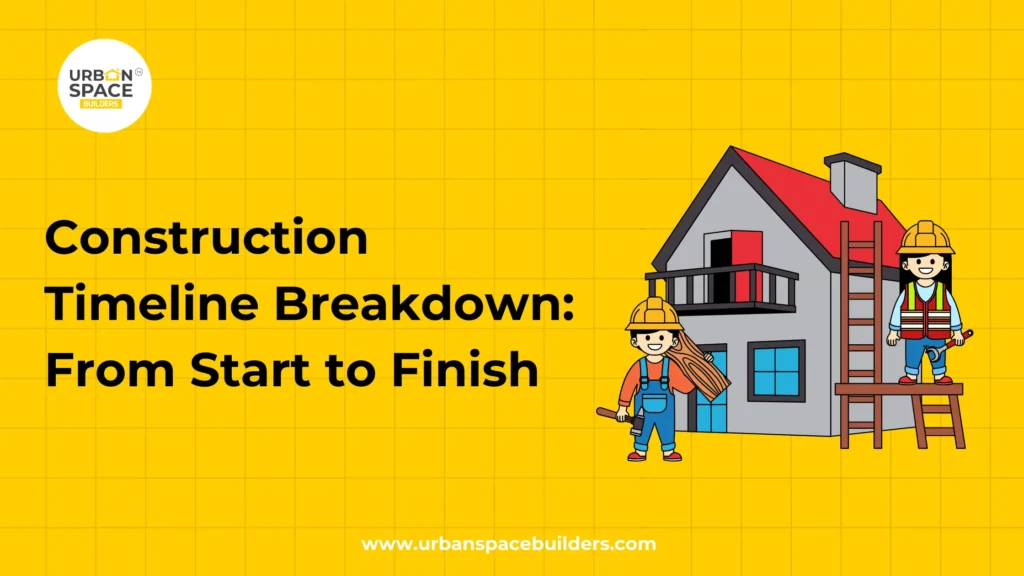
Building a house is exciting but also confusing for many homeowners. Most people only see the start and handover. What they do not realize is the detailed construction timeline happening step by step behind the scenes. When you understand the stages properly, you can monitor progress, avoid unnecessary expenses, and communicate confidently with your contractor.
Knowing the proper timeline helps you avoid delays, control budget, and prevent mistakes. In this blog, Urban Space Builders explains the complete process from empty land to ready to move home.
1. Pre Construction Planning (2 to 6 Weeks)
- Site inspection and soil test
- Budget estimation and cost planning
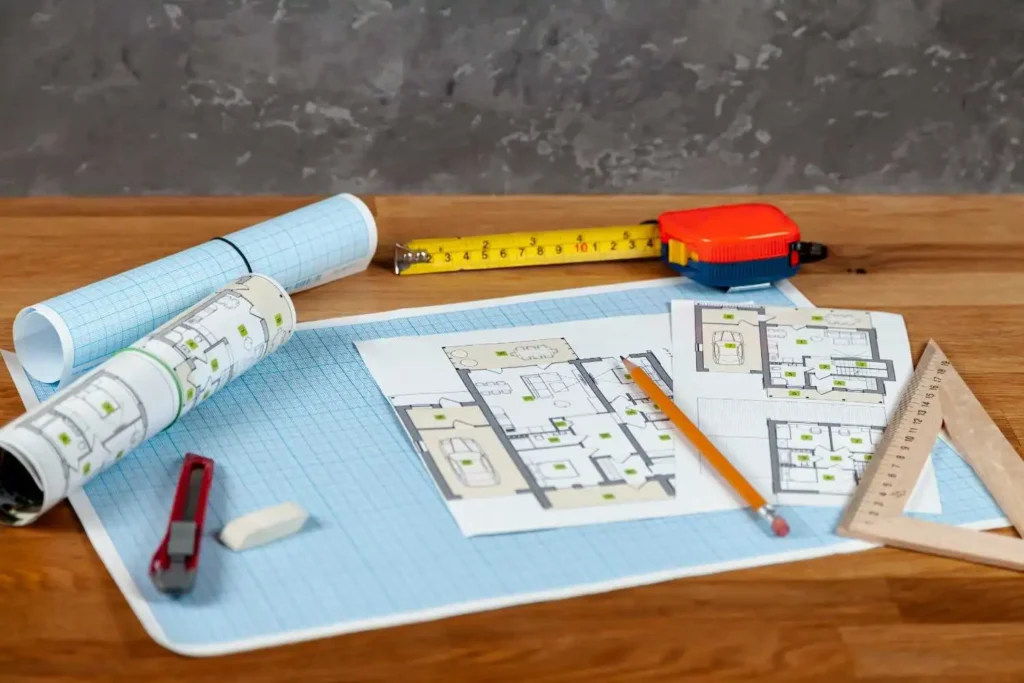
- Floor plan and structural drawings
- Electrical and plumbing layout design
- Government approval and permits
This is the most important stage in the entire house construction timeline. Proper planning decides the life span, safety, and final cost of your home. Many homeowners rush to start construction without finalized drawings, which later causes budget increase and structural changes. Before selecting a builder, you should clearly understand the quotation, materials, and project scope.
Read this guide to understand quotations better: How to Read and Understand a Construction Quotation
A well planned project always finishes faster and with fewer problems.
2. Site Preparation and Layout Marking (1 Week)
- Land clearing and debris removal
- Ground leveling
- Temporary electricity and water arrangement
- Column marking and layout setting
After planning, the physical work begins with site preparation. The land is cleaned and leveled to make it ready for construction. Layout marking is a crucial step because it determines the exact position of columns and walls. Even a small marking mistake can shift the building structure and create future legal or structural problems. This stage officially converts your empty land into a construction site.
Also understand why planning is more important than materials.
3. Foundation Work (2 to 4 Weeks)
- Excavation for footing
- PCC concrete layer
- Steel reinforcement fixing
- Footing concrete and curing
- Backfilling and column starters
The foundation is the strength of the house. It supports the entire building load and protects the structure from settlement and cracks. Soil condition directly affects the foundation design. Loose or clay soil requires stronger footing and proper curing. Foundation curing should be done for at least 7 to 10 days. Rushing this stage can cause long term structural issues like wall cracks and uneven flooring.
4. Structural Framework RCC Work (6 to 10 Weeks)
- Column construction
- Beam work
- Slab shuttering and roof concrete
- Staircase construction
- Slab curing
This stage is called the skeleton stage of the building. You will start seeing the shape of your home floor by floor. Each floor follows a cycle of column, beam, slab, and curing. Typically, one slab takes around 14 to 21 days. Proper supervision is very important here because mistakes in structural work can lead to slab leakage, cracks, and safety issues in the future.
5. Brickwork and Masonry (3 to 5 Weeks)
- External walls
- Internal partition walls
- Door and window openings
- Lintel beams above doors and windows
After the RCC frame is completed, the walls are constructed using bricks or blocks. Now the rooms become visible and homeowners feel the house progressing quickly. Proper alignment and vertical level are essential during masonry work because uneven walls later affect plastering, doors, and tiles. This stage defines the internal layout of the house.
6. Plumbing and Electrical Concealed Work (2 to 3 Weeks)
- Water supply pipes
- Drainage pipelines
- Switch box installation
- Electrical conduits inside walls
- AC, geyser and internet wiring provisions
Before plastering, all concealed services are installed inside the walls. Plumbing lines for bathrooms and kitchens and electrical wiring for lights, fans, and appliances are fixed. This is one of the most critical stages because any mistake later requires wall breaking. Proper planning ensures correct placement of switches, plug points, and water outlets.
7. Plastering (2 to 3 Weeks)
- Internal plaster
- External plaster
- Wall leveling
- Surface smoothing
Plastering covers brickwork and prepares the walls for painting. It protects the building from moisture and weather damage. Proper plastering prevents cracks and provides a smooth finish for paint. After this stage, the house begins to look complete from both inside and outside.
8. Flooring and Tiling (3 to 4 Weeks)
- Floor tiles or granite laying
- Bathroom wall tiles
- Balcony and staircase tiles
- Joint filling and finishing
Flooring and tiling significantly affect the visual appearance of the home. Tile alignment, level accuracy, and slope in bathrooms are very important. Proper slope prevents water stagnation and leakage. This stage enhances the aesthetics and resale value of the property.
9. Carpentry and Door Installation (2 to 3 Weeks)
- Main door installation
- Room doors and windows
- Kitchen cabinets
- Wardrobes and storage units
Now the house has become functional. Doors, windows, and storage furniture are installed. Accurate measurements and proper alignment are necessary to avoid gaps and future swelling due to moisture. Good carpentry improves both usability and interior beauty of the house.
10. Painting, Fixtures and Finishing (3 to 5 Weeks)
- Wall putty and primer
- Interior and exterior painting
- Light and fan installation
- Sanitary fittings and accessories
This is the finishing stage where the house finally looks ready to live in. Paint, electrical fixtures, and bathroom fittings are installed. The overall quality feel of the home depends heavily on finishing work. Good finishing reflects professional construction quality.
11. Final Inspection and Handover (1 Week)
- Water leakage check
- Electrical testing
- Plumbing flow testing
- Door and window inspection
- Terrace and bathroom slope checking
Before handover, a detailed inspection is done to ensure the building is safe and functional. Corrections are completed and the home is handed over to the owner. A professional builder ensures all systems work properly before possession.
Total Construction Time
A single floor house usually takes about 4 to 5 months to complete. A two floor home generally requires around 6 to 8 months. A larger duplex house may take approximately 8 to 10 months depending on design complexity, weather conditions, and labor availability.
Conclusion
A construction quotation is not just a price comparison tool. It is the technical foundation of your house project.
Never choose a builder based only on the lowest cost. Choose the builder who provides the most transparent and detailed quotation. Cheap quotation results in expensive future repairs.
Take time to understand the estimate, verify specifications and ensure every detail is written clearly. A properly documented quotation protects your money, your time and your dream home.
Why Construction Projects Get Delayed
Most delays happen due to planning mistakes and improper project management. Changing designs after construction begins causes rework and cost increase. An experienced contractor like Urban Space Builders follows a structured construction schedule and supervision system to complete projects on time and within budget.
Conclusion
A home is not built in one step. It follows a proper construction timeline including planning, foundation, structure, services, and finishing. Understanding these stages helps homeowners monitor quality and avoid mistakes.
To make your planning easier, you can also use the Home Construction Cost Calculator from Urban Space Builders to get an estimated budget before starting the project. This helps you decide plot utilization, built up area, and overall investment without surprises during construction.
Urban Space Builders follows a systematic workflow and transparent scheduling so your dream home is delivered on time, within budget, and without stress.
Frequently Asked Questions
- What is the first step in house construction?
The first step is planning and approvals. This includes site inspection, soil testing, preparing architectural drawings, structural design, and obtaining local authority approval. Starting construction without these steps often leads to legal issues, redesign costs, and project delays. - How long does it take to build a house in India?
A normal residential house typically takes 4 to 10 months. A single floor house may take around 4 to 5 months, while a duplex or two floor house may take 6 to 10 months. The timeline depends on plot size, design complexity, weather, and contractor management. - Which construction stage takes the most time?
The RCC structural framework stage takes the longest. Each slab requires proper curing time and cannot be rushed. Structural work usually consumes nearly 40% of the total construction timeline because safety and strength depend on it. - When is electrical wiring installed in a new house?
Electrical wiring is installed before plastering during the concealed work stage. Conduits and switch boxes are placed inside the walls so that wires remain hidden. If wiring is done after plastering, walls need to be broken, which increases cost and damages finishing. - Why is curing important in construction?
Curing keeps concrete moist so it gains strength properly. Without proper curing, concrete becomes weak and may develop cracks. Foundation and slab curing should be done for at least 7 to 14 days for durability and long term structural safety. - What causes construction delays most often?
The most common reasons are improper planning, frequent design changes, late material delivery, rain, and lack of skilled labor supervision. Working with a professional contractor helps maintain schedule and quality. - Which stage should homeowners monitor closely?
Homeowners should monitor foundation work, structural RCC stage, and plumbing electrical concealed work. These stages cannot be corrected easily later and directly affect building safety and maintenance cost.
Recent Posts
What Questions Should You Ask During a Site Visit? A …
Let's Build Your Dream Home Now!
What Questions Should You Ask During a Site Visit? A construction site visit gives you much more information than a brochure, quotation …
What Questions Should You Ask During a Site Visit? A construction site visit gives you much more information than a brochure, quotation …
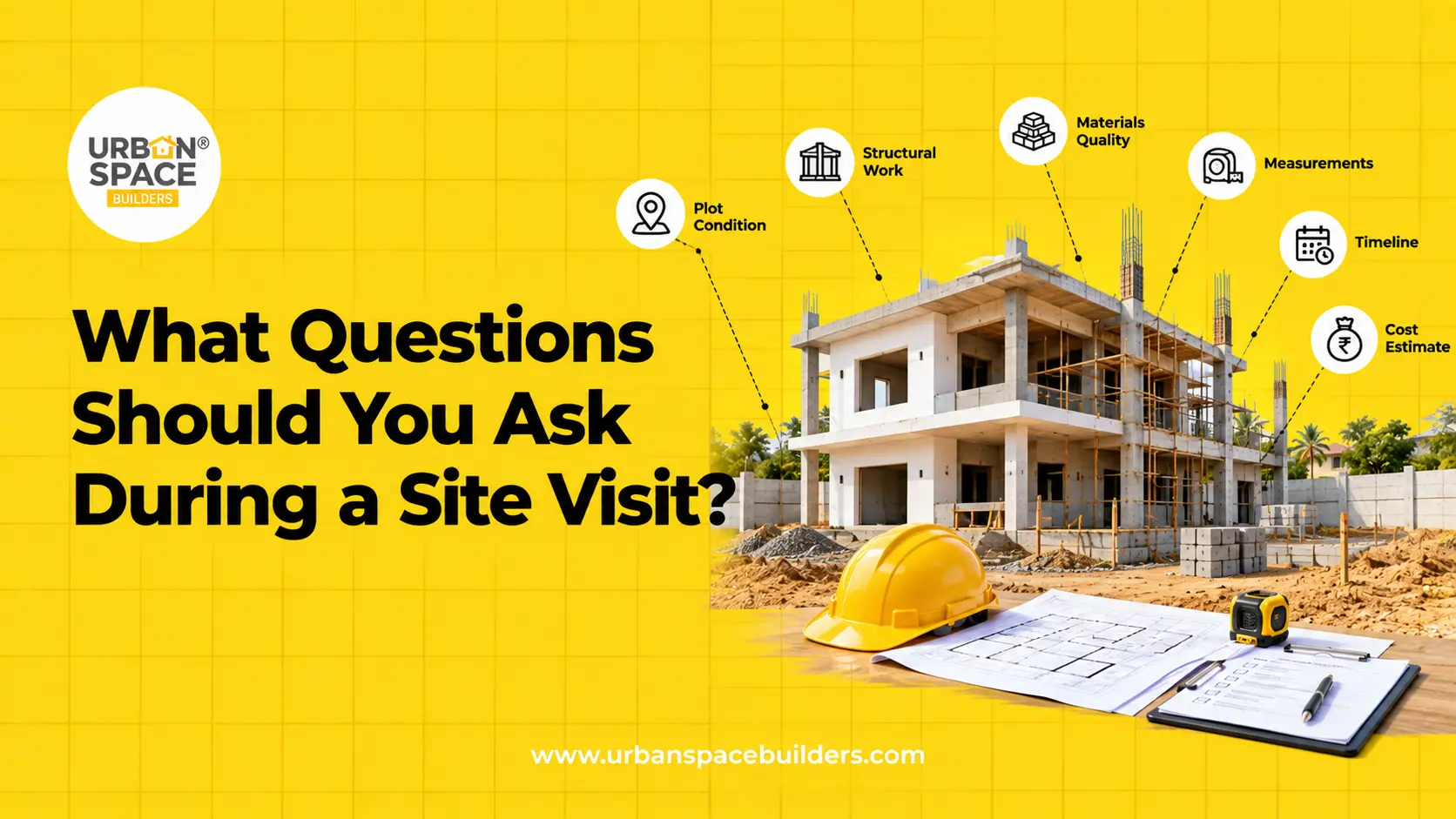
What Questions Should You Ask During a Site Visit? A construction site visit gives you much more information than a brochure, quotation …
How Staircase Design Affects Space and Comfort in a Home A staircase may occupy only one part of a house, but its …