
What Questions Should You Ask During a Site Visit? A …
Understanding the Types of Land and Their Uses in Construction
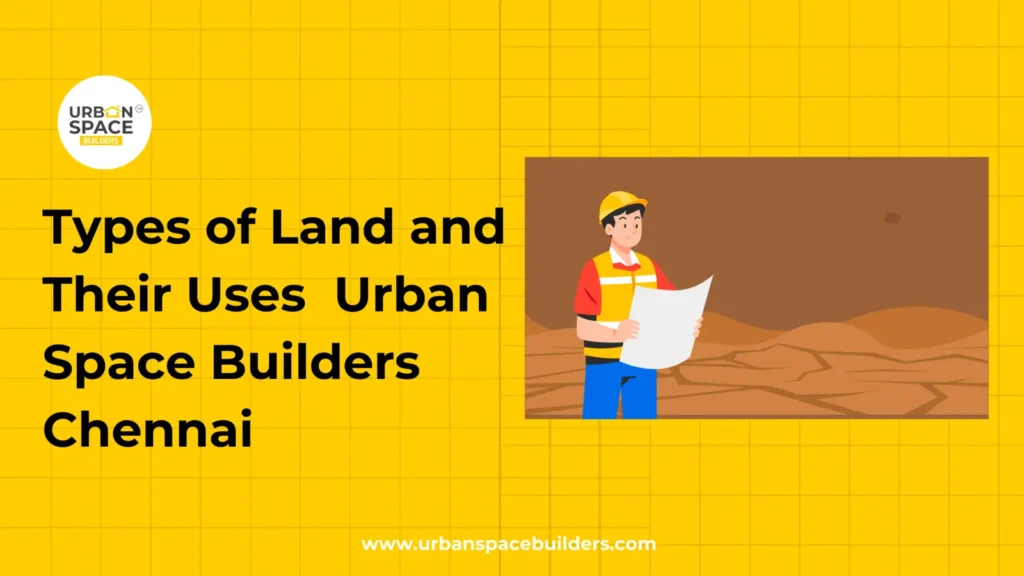
Planning a construction project starts with one of the most important decisions you’ll make choosing the right land. Whether you’re building a home, a commercial complex, an industrial facility, or a mixed-use development, understanding the types of land and their intended uses is essential. The type of land you purchase determines what can legally be built, the approvals you’ll need, construction costs, and the long-term value of your investment. At Urban Space Builders, we help clients make informed decisions by guiding them through every stage of land selection and construction planning.
Understanding the Types of Land and Their Uses in Construction
Before beginning any construction project, it’s important to understand that not all land is the same. Land is classified based on its permitted use, zoning regulations, ownership, and development potential. These classifications help governments manage urban growth, protect agricultural resources, and ensure sustainable infrastructure development.
If you’re wondering what are the types of land, the answer depends on how the land is categorized by local planning authorities. In general, the five types of land most commonly recognized for construction and development include residential land, commercial land, industrial land, agricultural land, and institutional or public land. Each category has specific regulations regarding what can be constructed and how the land can be used.
Residential Land
Residential land is designated for housing and residential developments. This category includes individual homes, villas, apartments, gated communities, and residential townships. It is one of the most sought-after land categories for families and property investors.
The primary objective of residential land use is to create safe and comfortable living spaces while ensuring access to essential services such as roads, water supply, electricity, drainage, schools, parks, and healthcare facilities. Before purchasing residential land, buyers should verify property ownership, approved layouts, zoning permissions, and local building regulations to ensure a hassle-free construction process.
Commercial Land
Commercial land is intended for businesses and commercial establishments. It is suitable for office buildings, retail stores, shopping malls, restaurants, hotels, showrooms, and business parks. Commercial properties are usually located in high-traffic areas where businesses can attract customers and generate revenue.
Compared to residential plots, commercial land often has different building regulations, parking requirements, and higher permissible floor area ratios. Choosing the right commercial location significantly impacts business growth and long-term profitability.
Industrial Land
Industrial land is allocated for manufacturing units, factories, warehouses, logistics hubs, and production facilities. These areas are generally located away from residential neighborhoods to minimize environmental impact and maintain public safety.
Industrial developments require compliance with pollution control norms, fire safety standards, environmental regulations, and industrial zoning policies. Infrastructure such as wide roads, utility connections, and transportation access is also crucial for industrial operations.
Agricultural Land
Among the types of agricultural land, you’ll commonly find irrigated land, dry land, plantation land, rain-fed land, and horticultural land. Agricultural land is primarily reserved for farming and food production rather than construction.
Many people ask, can agricultural land be converted to residential? The answer is yes in many cases, but only after obtaining approval from the relevant government authorities. Without legal conversion, residential or commercial construction on agricultural land may violate land-use regulations.
Institutional and Public Land
Institutional land is reserved for public services and community development. Schools, colleges, universities, hospitals, government offices, research centers, public parks, and community facilities are commonly developed on this type of land.
Construction on institutional land follows specific planning guidelines to ensure that buildings serve public needs efficiently while complying with safety and accessibility standards.
Different Types of Land in India
The types of land in India vary depending on state regulations and urban planning policies. While the basic classifications remain similar across the country, each state may have additional zoning categories and revenue classifications.
The different types of land in India generally include residential, commercial, industrial, agricultural, institutional, recreational, transportation, and mixed-use land. Understanding these classifications is essential before purchasing land because zoning laws determine what type of construction is legally permitted.
Local development authorities prepare master plans that define how land should be used in different regions. Purchasing land without verifying its zoning status can lead to legal complications, project delays, or even restrictions on construction.
Types of Land Use
Understanding types of land use is equally important because land use regulations influence the overall planning and development of cities and towns. Land use planning helps balance residential neighborhoods, commercial districts, industrial zones, transportation networks, public facilities, and green spaces.
Residential land supports housing developments, commercial land accommodates business activities, industrial land promotes manufacturing, agricultural land preserves farming, while recreational areas provide parks and sports facilities. Mixed-use developments combine residential and commercial spaces to create modern urban communities where people can live, work, and access essential services conveniently.
Proper land-use planning contributes to organized infrastructure, reduced traffic congestion, environmental protection, and sustainable urban growth.
Agricultural Land Conversion
One of the most frequently searched questions is how to convert agricultural land to residential. Since agricultural land is intended for cultivation, it cannot usually be used for housing without obtaining official approval.
The process of agricultural land to residential conversion generally begins by verifying ownership records and checking whether the land falls within a designated development zone. The property owner then submits an application to the appropriate authority, pays the prescribed conversion charges, and obtains approval before beginning residential construction.
Although procedures vary across different states in India, obtaining legal conversion is essential to avoid penalties and ensure eligibility for building approvals and utility connections.
Types of Land Survey
Before starting construction, conducting a proper types of land survey is highly recommended. Land surveys help determine property boundaries, identify physical features, and verify whether the land matches official records.
Boundary surveys establish the exact dimensions of a property, while topographic surveys identify slopes, elevations, trees, drainage patterns, and natural features that may affect construction. Construction surveys assist engineers in accurately positioning buildings according to approved plans, while subdivision surveys divide larger parcels into individual plots for residential or commercial development.
Accurate land surveys reduce disputes, improve construction precision, and help ensure compliance with local regulations.
Land Resources and Construction Planning
The land resources types available at a construction site directly influence project planning and design. Engineers evaluate soil strength, groundwater conditions, terrain, environmental factors, and accessibility before preparing structural designs.
Understanding types of land resources allows builders to determine suitable foundation systems, drainage solutions, and infrastructure requirements. Proper site evaluation also minimizes future maintenance costs and improves the overall safety and durability of the completed structure.
At UrbanSpace Builders, every construction project begins with a comprehensive site assessment to ensure the selected land supports safe, efficient, and sustainable development.
Choosing the Right Land for Construction
Selecting the right land involves much more than finding an attractive location. Buyers should carefully examine ownership documents, zoning approvals, access roads, soil quality, utility availability, drainage conditions, and future development plans before making a purchase.
A well-located plot with proper legal approvals and strong infrastructure offers better long-term value and reduces construction challenges. Future growth potential, surrounding amenities, transportation connectivity, and neighborhood development also contribute significantly to property appreciation.
Working with experienced construction professionals helps identify potential risks before construction begins, saving both time and investment in the long run.
Read More: Home Payment Schedule: A Complete Guide to Stress-Free House Construction Payment
Conclusion
Understanding the types of land is the foundation of every successful construction project. Whether you’re evaluating different types of land, exploring land types in India, learning about land use types, or understanding agricultural land types, making informed decisions helps ensure legal compliance, construction efficiency, and long-term investment value.
Choosing the right plot is not simply about location it’s about selecting land that aligns with your project goals, complies with zoning regulations, and supports future growth. Whether you’re planning to build a dream home, commercial property, industrial facility, or institutional project, careful planning is the key to success.
At UrbanSpace Builders, we combine industry expertise, quality construction practices, and professional guidance to help clients transform the right piece of land into exceptional residential and commercial spaces. From land evaluation and planning to design and project execution, UrbanSpace Builders is committed to delivering reliable construction solutions that stand the test of time.
Also Check: Griha Pravesh Muhurat 2026: Best Dates and Timings for Housewarming
Recent Posts
What Questions Should You Ask During a Site Visit? A …
Let's Build Your Dream Home Now!
Frequently Asked Questions
1. What are the different types of land?
The main types of land include residential land, commercial land, industrial land, agricultural land, and institutional land. Each type has specific zoning regulations and permitted uses for construction and development.
2. Which type of land is best for residential construction?
Residential land is the most suitable for building houses, apartments, villas, and gated communities because it is specifically zoned for housing and residential development.
3. Can agricultural land be converted into residential land?
Yes, agricultural land can often be converted into residential land after obtaining approval from the relevant government authority. The conversion process and regulations vary by state in India.
4. What is the difference between residential and commercial land?
Residential land is intended for housing purposes, while commercial land is designated for business activities such as offices, retail stores, hotels, and shopping complexes.
5. Why is land classification important before construction?
Land classification determines the legal use of a property. Building on land that is not properly zoned can lead to legal issues, project delays, or denial of construction approvals.
What Questions Should You Ask During a Site Visit? A construction site visit gives you much more information than a brochure, quotation …
What Questions Should You Ask During a Site Visit? A construction site visit gives you much more information than a brochure, quotation …
What Questions Should You Ask During a Site Visit? A construction site visit gives you much more information than a brochure, quotation …
How Staircase Design Affects Space and Comfort in a Home A staircase may occupy only one part of a house, but its …