Navigating Chennai’s Building Regulations: What Homeowners Need to Know | Urbanspace Builders

Navigating Chennai's Building Regulations | CMDA & DTCP Guidelines by Urbanspace Builders

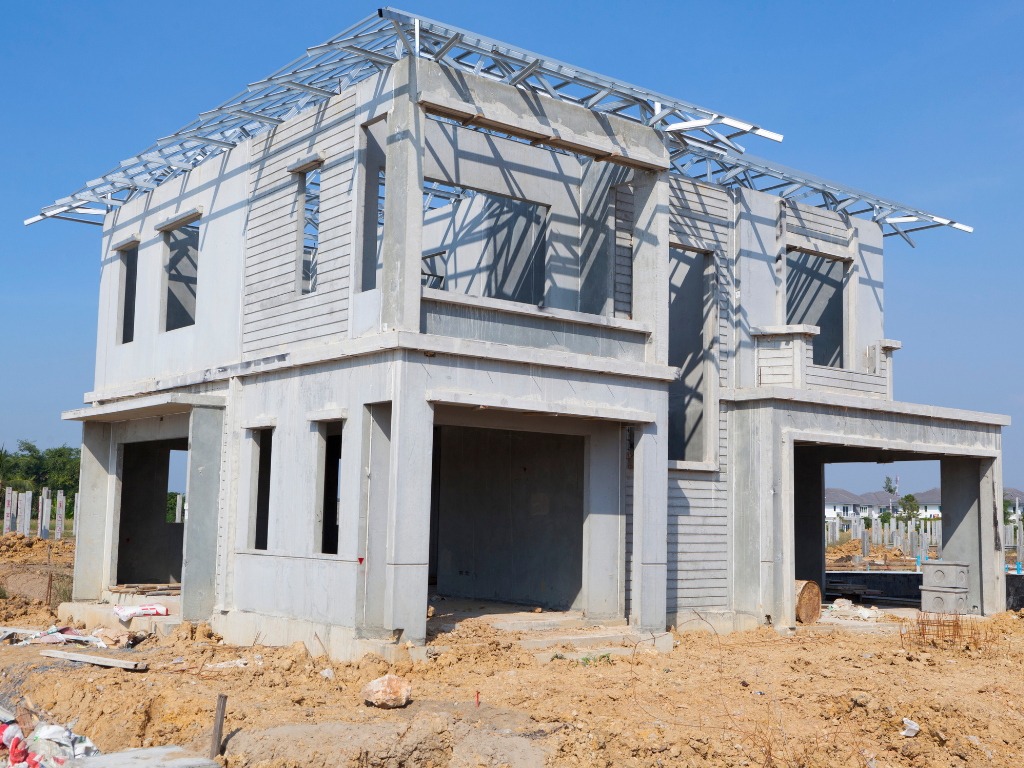
Building a home in Chennai requires more than just selecting a plot and designing your dream house. Navigating Chennai’s building regulations is crucial to ensure legal compliance and avoid costly penalties or construction delays. These regulations dictate land use, building height, floor space index (FSI), setbacks, and approvals from local authorities.

Whether you’re a first-time homeowner or planning a new construction project, this guide will help you understand the key aspects of Chennai’s building regulations.

Understanding Chennai’s Building Approval Process

Before starting construction, homeowners must obtain approval from the Chennai Metropolitan Development Authority (CMDA) or the Greater Chennai Corporation (GCC), depending on the project’s location. The key steps include:

  • Land Classification Check – Verifying whether the plot falls under residential, commercial, or agricultural zones.
  • Planning Permission – Getting CMDA/GCC approval based on zoning and FSI compliance.
  • Building Plan Approval – Submitting structural designs for review by the local authority.
  • Environmental Clearance – Required for large-scale projects impacting the environment.

Failing to follow these steps can lead to legal issues, fines, or even demolition orders.

Key Building Regulations Homeowners Should Follow

To ensure compliance, homeowners must adhere to several important building regulations in Chennai:

Floor Space Index (FSI) Regulations
FSI determines how much construction can be done on a given plot size. For example, if the FSI is 2.0 on a 1,000 sq. ft. plot, you can build up to 2,000 sq. ft. of total floor area.

Setback Rules
Setbacks are the minimum distance a building must maintain from the plot boundary to ensure proper ventilation, light, and safety. These vary based on the plot size and zoning category.

Building Height Restrictions
The permitted height of a building depends on road width and locality. In some areas, high-rise buildings require additional approvals from aviation and fire safety departments.

Rainwater Harvesting (RWH) Compliance
Chennai mandates rainwater harvesting systems for all buildings to promote water conservation. Non-compliance can result in water supply disconnection.

Structural Stability & Safety Norms
Buildings must follow earthquake-resistant design principles, especially in seismic-prone zones. CMDA requires certified engineers to verify structural integrity.

Navigating Chennai's Building Regulations | CMDA & DTCP Approval Guide
Modern Home Design in Chennai | Urbanspace Builders

Common Challenges in Getting Building Approvals

Many homeowners face challenges in obtaining approvals due to:

  • Zoning Restrictions – Some areas have strict land-use policies.
  • Delays in Documentation – Missing or incorrect documents can prolong approval times.
  • FSI Violations – Constructing beyond the permitted FSI leads to rejection or penalties.
  • Encroachment Issues – Illegal structures encroaching public land can be demolished.

Working with an experienced builder like Urbanspace Builders ensures a smoother process, as they handle approvals and compliance efficiently.

How to Ensure Smooth Compliance with Chennai’s Building Regulations

To avoid legal troubles and project delays, follow these best practices:

Hire a Professional Architect & Builder
Professionals ensure your construction adheres to Chennai’s building norms.

Obtain the Necessary Permits in Advance
Starting construction without approval can lead to penalties or project stoppage.

Verify Land Title & Legal Clearance
Check for any disputes, encroachments, or pending legal issues before purchase.

Ensure Fire Safety & Environmental Norms
High-rise buildings require fire safety approvals, while larger projects need environmental clearance.

Follow Updated CMDA & GCC Guidelines
Building regulations may change over time, so stay updated to avoid violations.

Conclusion

Navigating Chennai’s building regulations is essential for a smooth and legally compliant home construction process. From zoning laws and FSI limits to building plan approvals and safety standards, every aspect must be followed to avoid penalties or project delays.

Partnering with a trusted builder like Urbanspace Builders ensures your dream home meets all legal requirements while delivering quality construction. If you’re planning a home in Chennai, contact Urbanspace Builders today for expert guidance and hassle-free approvals.

Recent Posts

What Is Foundation Work? Types and Importance Explained Foundation work …

How Soil Conditions in Chennai Affect Construction Building a house …

Let's Build Your Dream Home Now!

What Is Foundation Work Types and Importance Explained

What Is Foundation Work? Types and Importance Explained Foundation work is one of the most important stages in any construction project. Whether …

How Soil Conditions in Chennai Affect Construction

How Soil Conditions in Chennai Affect Construction Building a house is not only about design, elevation, or interiors. One of the most …

Column vs Load-Bearing Structure Which Is Better

Column vs Load-Bearing Structure: Which Is Better for Your Home Construction? When planning a new home, one of the biggest structural decisions …

How to Maintain Your Home After Construction Is Completed

Most Popular Home Designs Chosen by Chennai Homeowners Chennai homeowners today are looking for homes that combine modern aesthetics, functionality, comfort, and …

Scroll to Top