Coarse Aggregate in Construction: Types, Properties, and Best Practices

Coarse Aggregate in Construction

Coarse aggregate is one of the most essential materials in modern construction. Whether you are building a residential home, villa, duplex, or commercial structure in Chennai, the quality of your coarse aggregate directly influences the strength, durability, load-bearing capacity, and long-term performance of your building. At UrbanSpace Builders, we follow strict construction standards to ensure every project uses the most reliable coarse aggregates sourced from trusted quarries.

This guide covers everything you need to know about coarse aggregate, including its definition, types, shape classifications, size, properties, uses, advantages, and on-site quality checks.

This blog is written to help homeowners and engineers understand the real impact of coarse aggregate on concrete strength, along with actionable advice to avoid construction mistakes commonly seen in Chennai.

What is Coarse Aggregate?

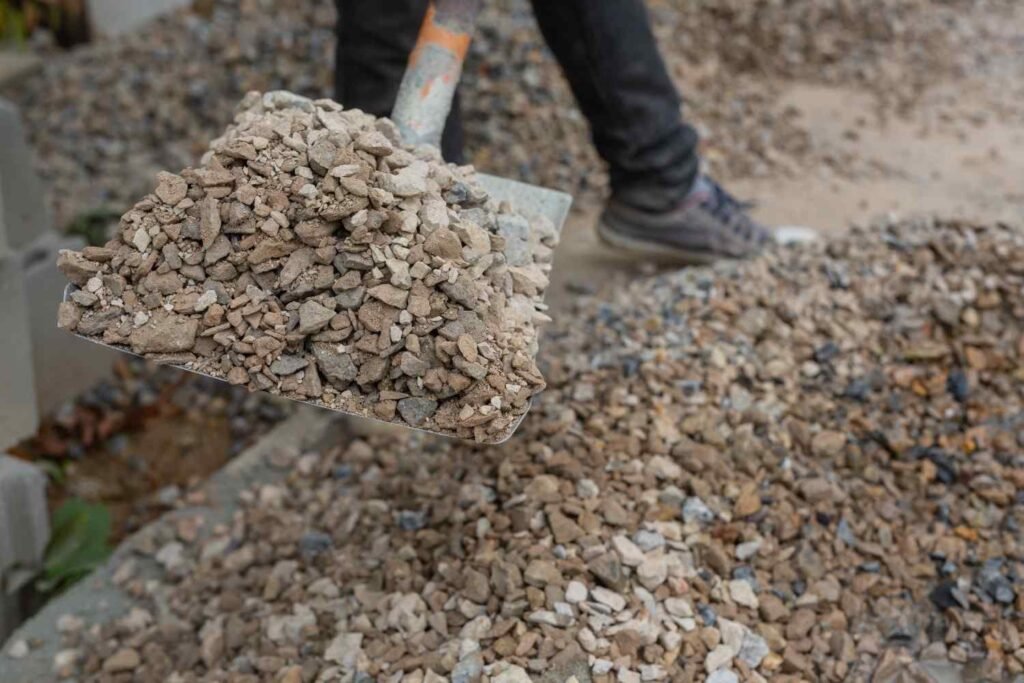
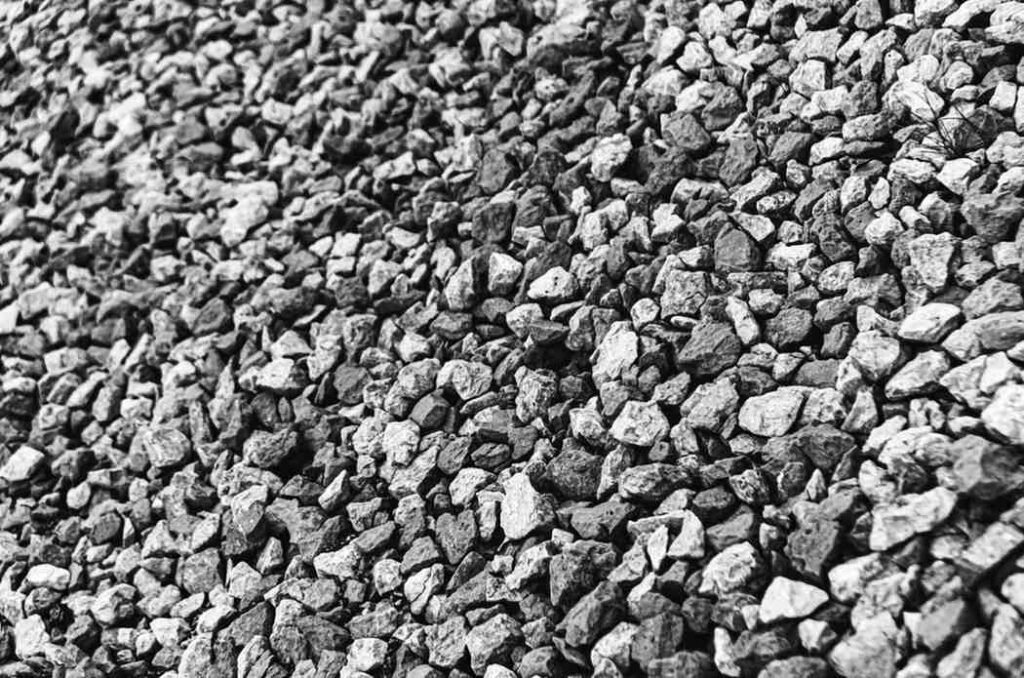
Coarse aggregate refers to granular materials such as crushed stone, gravel, and rock fragments that are larger than 4.75 mm in size. In concrete, they occupy 60 to 80 percent of the total volume, making them critical for structural stability.

Why Coarse Aggregate Matters in Chennai Construction

Coarse aggregates directly affect:

  • Compressive strength of concrete
  • Workability and durability
  • Load-bearing capacity
  • Resistance to weathering and moisture
  • Shrinkage control
  • Cost efficiency in concrete production

Because Chennai’s climate includes high humidity and monsoon exposure, using the right aggregate size, shape, and type is crucial to prevent cracks, dampness, and long-term structural deterioration. To improve overall home design quality and structural performance, you can also explore creative enhancements for modern homes here: Best Balcony Design Ideas for Home in 2025.

Types of Coarse Aggregate Used in Construction

Urban Space Builders uses only IS-standard aggregates suitable for Chennai’s soil and climate.

1. Crushed Stone Aggregate (Angular)

  • Most widely used in structural concrete
  • Offers high interlocking and strength
  • Ideal for slabs, beams, columns, and foundations

2. Gravel Aggregate (Rounded)

  • Improves workability
  • Lower water demand
  • Good for flooring, PCC, plaster backing, lean concrete.

3. Irregular or Partially Rounded Aggregate

  • Balanced workability and strength
  • Suitable for general RCC work

4. Flaky Aggregate

  • Weak and prone to breakage
  • Not recommended for structural applications

5. Elongated Aggregate

  • Poor interlocking
  • Reduces concrete density
  • Avoided in RCC

6. Flaky and Elongated Combined

  • Severely compromises strength
  • Should be completely avoided

Action: At Urban Space Builders, our on-site engineers conduct flakiness index and elongation index tests for every load.

Coarse Aggregate Size and Classification

Concrete applications require different aggregate sizes:

  • 10 mm for flooring, PCC, finishing work
  • 20 mm for primary size for RCC
  • 40 mm for mass concreting for foundations

Properties of High-Quality Coarse Aggregate

For concrete to perform well, the aggregate must meet these standards:

  1. Hardness and Strength
  • Should withstand heavy loads without crushing.
  • Los Angeles Abrasion Test recommended.
  1. Low Water Absorption
  • Ideal absorption is between 0.5 to 2 percent.
  • Higher absorption leads to cracks.
  1. Clean and Free from Impurities
  • No clay, organic matter, or powdered stone.
  1. Proper Shape
  • Angular aggregates ensure strong bonding.
  1. Specific Gravity
  • Should be between 2.6 to 2.9.

How We Select High-Grade Coarse Aggregate at Urban Space Builders

Our 6-step quality protocol ensures every project uses superior concrete material.

  • Approved Quarry Tie-ups: We source from tested stone quarries with consistent grade.
  • Sieve Analysis Test: Ensures aggregate size matches IS codes.
  • Shape Test: Flakiness and elongation testing for every truckload.
  • Moisture Content Check: Helps maintain accurate water-cement ratio.
  • On-site Hand Test: Fast checks for dust, clay lumps, and flaky pieces.
  • Cube Strength Testing: Ensures concrete meets M20 to M40 grade requirements.

Best Uses of Coarse Aggregate in Construction

  • RCC work, such as slabs, beams, columns
  • Footings and foundations
  • Road work and pavements
  • Drainage layers
  • Driveways and walkways
  • Mass concrete

Common Mistakes Homeowners Should Avoid

Mistake 1: Using low-quality aggregate from unknown suppliers

This leads to early cracks and dampness.

Mistake 2: Allowing dusty or clay-filled aggregates

Dust weakens the concrete bond.

Mistake 3: Not verifying shape and size distribution

Improper grading reduces structural strength.

Mistake 4: Mixing flaky aggregates in RCC

This increases the risk of long-term failure.

Action: Always ask your builder for aggregate test reports or partner with a construction company like Urban Space Builders that follows strict quality protocols.

Final Takeaway

Coarse aggregate may look like a simple material, but it plays one of the biggest roles in determining your building’s strength and lifespan. At Urban Space Builders, we ensure only IS-approved, well-graded aggregates are used in every construction project. Whether it is a villa, apartment, or commercial building in Chennai, our quality-first approach ensures long-term durability and safety.

If you want safe, long-lasting, and structurally sound construction, start with the right coarse aggregate. You can also explore our detailed guide on designing stronger homes here: 3 BHK House Plan, Layouts, Carpet Area and Design Tips.

Recent Posts

Uses of Silt Soil in Construction: A Practical Guide for …

Uses of Silt Soil in Construction: A Practical Guide for …

Let's Build Your Dream Home Now!

Construction Supervision

Uses of Silt Soil in Construction: A Practical Guide for Chennai Homeowners and Builders When you start planning a home or commercial …

Space saving ideas for small houses in Chennai

Uses of Silt Soil in Construction: A Practical Guide for Chennai Homeowners and Builders When you start planning a home or commercial …

importance of curing concrete

Uses of Silt Soil in Construction: A Practical Guide for Chennai Homeowners and Builders When you start planning a home or commercial …

Study room Vastu tips

Uses of Silt Soil in Construction: A Practical Guide for Chennai Homeowners and Builders When you start planning a home or commercial …

Scroll to Top