Brick Usage in Chennai Construction Industry
Uncategorized

Overview of Brick Usage in Chennai’s Construction Industry

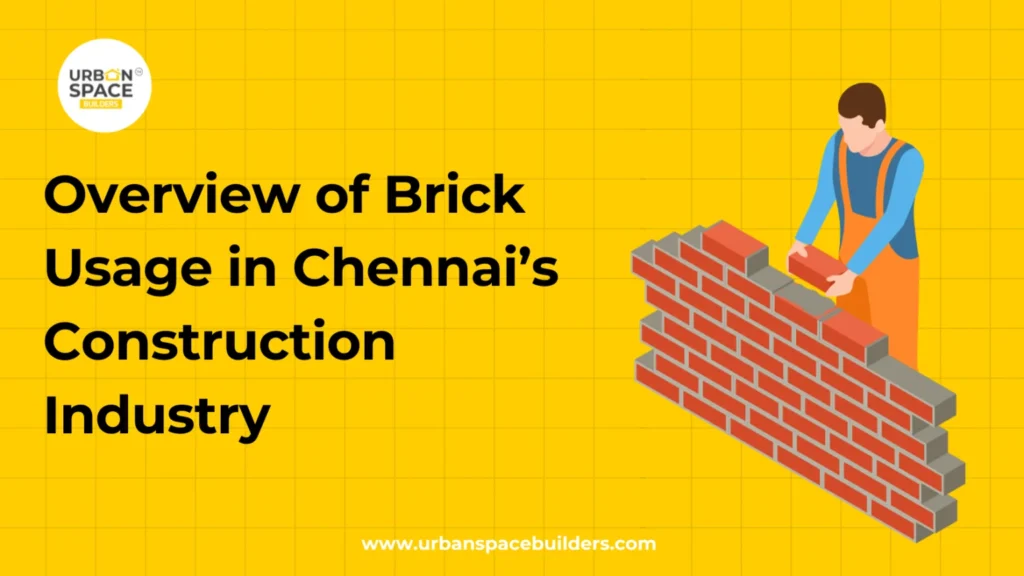
Overview of Brick Usage in Chennai’s Construction Industry Introduction Bricks have been the backbone of home construction in Chennai for centuries, shaping the city’s skyline from heritage temples to modern residential apartments. For home construction companies in Chennai, selecting the right brick type is not just a structural decision. It directly impacts durability, thermal comfort, energy efficiency, and long-term maintenance. As a trusted residential builder in Chennai, Urban Space Builder understands how Chennai’s tropical climate, humidity, and soil conditions influence brick performance. Choosing the right bricks ensures homes stay cooler, stronger, and visually appealing for decades. Historical Perspective of Brick Usage in Chennai Brick usage in Chennai dates back to the Dravidian architectural era, where locally manufactured clay bricks were widely used in temples, homes, and public structures. During the British colonial period, brick construction expanded rapidly and became the foundation of railway stations, administrative buildings, and heritage landmarks. Today, Urban Space Builder, a leading construction company in Chennai, blends this traditional craftsmanship with modern construction technology. This approach preserves Chennai’s architectural identity while embracing contemporary residential design. Types of Bricks Used in Chennai Different projects demand different materials. Most home construction companies in Chennai use the following brick types based on load, climate, and design requirements: Traditional Clay Bricks Affordable and easily available Ideal for independent houses Excellent durability in Chennai’s climate Fly Ash Bricks Eco-friendly and sustainable High compressive strength Reduced water absorption Concrete Blocks Load-bearing capability Suitable for large-scale residential projects Faster construction timelines AAC (Autoclaved Aerated Concrete) Blocks Lightweight and fire-resistant Superior thermal insulation Ideal for modern homes and apartments At Urban Space Builder, brick selection is aligned with structural safety, sustainability, and long-term performance. Brick Manufacturing Process in Chennai Understanding brick production helps ensure construction quality. The standard process includes: Material Selection High-grade clay, sand, cement, and fly ash are chosen to enhance strength and durability. Firing and Curing Techniques Traditional clamp kilns and modern tunnel kilns are used to ensure consistent quality. Eco-Friendly Manufacturing Sustainable brick production methods reduce carbon emissions and environmental damage. As a responsible home construction company in Chennai, Urban Space Builder prioritizes environmentally conscious sourcing and production. Advantages of Brick Construction in Chennai Homes Brick remains a preferred material in residential projects due to its proven benefits: Durability that withstands heat, humidity, and monsoons Thermal insulation that keeps homes cooler naturally Low maintenance with a long lifespan Aesthetic appeal suitable for traditional and modern designs Brick homes also pair well with home renovation projects, especially when upgrading interiors or layouts.Read more: Transform Your Living Space: The Essential Home Renovation Guide Challenges in Brick Usage Despite its advantages, brick construction has a few challenges: Rising material costs that affect construction budgets Environmental concerns related to traditional brick manufacturing Supply chain delays that can impact project timelines Urban Space Builder addresses these challenges through efficient logistics planning and the use of sustainable building materials in Chennai. Sustainable and Eco-Friendly Brick Alternatives Sustainability is a core focus for modern residential builders in Chennai. Popular eco-friendly options include: Fly ash bricks that reduce industrial waste Compressed Stabilized Earth Blocks (CSEB) that consume less energy Government-approved green materials that comply with Chennai building regulations These alternatives reduce environmental impact while improving long-term cost efficiency. Residential vs Commercial Brick Applications Brick usage varies depending on the type of construction: Residential Construction Clay bricks are commonly used for independent houses, while fly ash bricks are preferred for villas and duplex homes. Commercial and High-Rise Buildings AAC blocks are used to reduce structural load, and concrete blocks are chosen for fire resistance and safety. For interior upgrades, kitchens built with proper brick and block planning significantly increase property value.Explore more: Kitchen Upgrades That Add the Most Value to Your Home Innovations in Brick-Based Architecture Chennai’s construction industry has seen notable innovations in brick usage: Exposed brickwork for modern homes and interiors Reinforced brick masonry for enhanced structural strength Hybrid construction techniques combining bricks with RCC frameworks Urban Space Builder continuously adopts innovative brick construction techniques to deliver strong, stylish, and future-ready homes. Future of Brick Usage in Chennai The future of brick construction in Chennai is driven by sustainability, innovation, and smart material choices. As a forward-thinking home construction company in Chennai, Urban Space Builder remains committed to using eco-friendly brick alternatives, adopting advanced construction technologies, and delivering energy-efficient homes. Whether it is independent houses, residential buildings, or renovation projects, bricks will continue to shape Chennai’s skyline with strength, durability, and timeless appeal. To plan better and estimate budgets accurately, homeowners can also use a home construction cost calculator to make informed construction decisions. Frequently Asked Questions (FAQ) What type of bricks are best for house construction in Chennai? The best bricks for house construction in Chennai are traditional clay bricks, fly ash bricks, and AAC blocks. The choice depends on budget, structural needs, and thermal insulation requirements. Why are fly ash bricks popular in Chennai construction? Fly ash bricks are popular because they are eco-friendly, stronger than traditional clay bricks, and offer better water resistance. They are also suitable for Chennai’s humid climate. Are AAC blocks better than clay bricks for residential buildings? AAC blocks are better for modern residential buildings because they are lightweight, fire-resistant, and provide excellent thermal insulation. Clay bricks are still preferred for independent houses due to affordability. How does brick choice affect home temperature in Chennai? Brick choice directly impacts indoor temperature. AAC blocks and fly ash bricks offer better thermal insulation, helping homes stay cooler and reducing electricity costs. Are bricks suitable for both residential and commercial construction in Chennai? Yes, bricks are suitable for both residential and commercial construction. Clay and fly ash bricks are commonly used for homes, while AAC blocks and concrete blocks are preferred for commercial and high-rise buildings. How does Urban Space Builder select bricks for construction projects? Urban Space Builder selects bricks based on soil conditions, climate, structural safety, sustainability, and project requirements to ensure long-lasting and energy-efficient homes. Are eco-friendly bricks durable for

Best Flooring for Hot Climate in Chennai
Uncategorized

Which flooring types help keep homes cool in Chennai’s hot climate?

Which flooring types help keep homes cool in Chennai’s hot climate? Chennai’s heat isn’t just a topic of conversation. It’s a daily reality. For homeowners building or renovating, choosing the best flooring for hot climate in Chennai plays a major role in keeping interiors comfortable. At Urban Space Builder, a trusted construction company in Chennai, we know the right flooring can make a real difference in reducing heat and improving comfort. Chennai’s Climate: A Flooring Challenge Living in Chennai means dealing with intense heat and humidity for most of the year. This climate demands flooring types suitable for Chennai climate that do not trap heat. Many standard flooring options absorb warmth and increase indoor temperature. That is why Urban Space Builder prioritizes heat resistant flooring for homes in Chennai. Cool Underfoot: Flooring Solutions for Chennai’s Heat Here are some cool flooring options in Chennai that help maintain a comfortable indoor temperature. 1. Vitrified Tiles: The Modern Coolant: Think of vitrified tiles as the superheroes of heat resistance. Their dense, non-porous nature means they don’t soak up heat like a sponge, making them a popular residential flooring option in Chennai. Urban Space Builder often recommends lighter shades, like crisp whites or soothing beiges, to reflect sunlight and keep things breezy. The polished variety works even better, as it bounces heat away with added shine. 2. Natural Stone: Timeless Elegance, Natural Coolness: Marble and granite aren’t just luxurious; they’re naturally cool, making them one of the most preferred flooring materials that keep homes cool in Chennai. Their high thermal mass allows them to absorb heat slowly, keeping your floors refreshingly cool. Imagine stepping onto cool marble on a hot afternoon, pure bliss. Urban Space Builder carefully selects stone that maximizes this natural cooling effect, adding both beauty and comfort to your home. Read More: Overview of Brick Usage in Chennai’s Construction Industry 3. Terracotta: The Earth’s Natural Air Conditioner: Terracotta tiles are a nod to tradition, but they’re also incredibly practical and ideal flooring types for Chennai climate. Their porous structure allows for natural air circulation, keeping your floors cool and breathable. They bring a warm, rustic charm to any space, perfectly blending aesthetics with functionality. As an experienced residential builder, Urban Space Builder knows that some older methods are still the best. 4. Cement Oxide: The Classic Cool Solution Reimagined: Red oxide flooring, a Chennai staple, remains a champion of coolness and a highly cost effective flooring option for Chennai homes. Its smooth, reflective surface keeps heat at bay, and it’s surprisingly durable. Urban Space Builder brings this classic option into the modern age with expert application and finishing. This is a cost effective option that many homeowners are very happy with. 5. Engineered Stone: The Best of Both Worlds: Engineered stone, like quartz, combines the beauty of natural stone with enhanced durability and heat resistance, making it a smart heat resistant flooring option for homes. It’s less porous than natural stone, making it easy to clean and less prone to heat absorption. Urban Space Builder will help you decide if this modern option is right for your build. Beyond Flooring: Enhancing Coolness Choosing the right flooring is just the first step. Here are some extra tips to keep your home cool: Lighten Up: Opt for light-colored rugs and mats to minimize heat absorption. Let the Air Flow: Ensure good ventilation to circulate cool air. Embrace Shade: Plant trees and use window treatments to block direct sunlight. Keep it Clean: Regular cleaning prevents dust and dirt from trapping heat. Urban Space Builder: Building Cool, Comfortable Homes At Urban Space Builder, we’re not just building houses; we’re creating homes that adapt to Chennai’s unique climate. As a dedicated residential builder, we understand the importance of choosing the right materials and techniques to ensure your comfort. What we offer: Expert Guidance: Our team provides personalized advice to help you choose the best flooring for your needs. Quality Craftsmanship: We use only the finest materials and employ skilledprofessionals. Customer Satisfaction: Your comfort and happiness are our top priorities. Transparent Communication: We keep you informed every step of the way. Conclusion Choosing the best flooring for hot climate in Chennai can significantly reduce indoor heat and improve everyday comfort. Whether it is vitrified tiles, natural stone, terracotta, or red oxide flooring, the right choice makes a real difference. Contact Urban Space Builders to build a home that stays cool, comfortable, and durable in Chennai’s climate. You can also plan your budget better using our home construction cost calculator, designed specifically for Chennai homes. Also Check: Fire Safety Norms for Residential Buildings Frequently Asked Questions (FAQ) What is the best flooring for hot climate in Chennai? Vitrified tiles, natural stone like marble or granite, terracotta tiles, and red oxide flooring are the best options for Chennai’s hot and humid climate because they absorb less heat and stay naturally cool. Which flooring stays coolest during summer in Chennai? Natural stone flooring and red oxide flooring stay the coolest during Chennai summers due to their high thermal mass and heat-reflective properties. Are vitrified tiles suitable for Chennai weather? Yes, vitrified tiles are suitable for Chennai weather. Their non-porous structure minimizes heat absorption and performs well in humid conditions. Is red oxide flooring good for modern homes? Yes, red oxide flooring works well in modern homes when finished professionally. It is durable, cost-effective, and naturally cool. Does flooring choice affect indoor temperature? Yes, flooring choice directly impacts indoor temperature. Heat-absorbing materials increase indoor warmth, while cool flooring helps maintain comfort. What flooring should be avoided in hot climates like Chennai? Dark-colored tiles, wooden laminate flooring, and vinyl flooring should be avoided because they trap heat and raise indoor temperatures. How do I choose the right flooring for my Chennai home? Choose flooring based on heat resistance, maintenance needs, budget, and design preference. Consulting a construction company in Chennai like Urban Space Builders helps ensure the right decision. Can flooring reduce electricity usage during summer? Yes, cool flooring materials

Self-Healing Concrete
Uncategorized

Self-Healing Concrete: Revolutionizing Durable Structures for the Future

Self-Healing Concrete: The Future of Durable Structures Urbanspace Builders Concrete has long been the backbone of construction, but despite its strength, it’s not immune to cracking and degradation over time. Enter self-healing concrete, an innovative material that is changing the landscape of modern construction. This advanced concrete technology has the potential to enhance the durability, longevity, and sustainability of structures, offering a promising solution to challenges faced by traditional concrete. For construction companies in Chennai, adopting self-healing concrete can offer numerous benefits. In this blog, we will dive into how this material works, its advantages, and how it can revolutionize the future of construction. What is Self-Healing Concrete? Self-healing concrete is a type of concrete that has the ability to repair its own cracks and damage automatically. This innovative material uses various methods to seal cracks when they form, effectively preventing further deterioration of the structure. One of the primary methods used in self-healing concrete is the incorporation of bacteria or capsules filled with healing agents into the mix. When cracks develop and water infiltrates the concrete, the bacteria or agents are activated and start producing a substance that fills and seals the cracks. This process can take place without any human intervention, making it a sustainable solution for building stronger, longer-lasting structures. How Does Self-Healing Concrete Work? Self-healing concrete is primarily composed of traditional concrete ingredients like cement, sand, and aggregate, but with the added benefit of healing agents. These agents are designed to respond to cracks and environmental factors such as water or air. Some common types of healing agents include: Microencapsulated Healing Agents: Small capsules filled with chemicals or epoxy that break open when cracks occur, releasing their contents to repair the damage. Bacterial Concrete: Concrete mixed with bacteria that can survive in a dormant state. When cracks form and water enters, the bacteria activate and start producing limestone to seal the crack. Autonomous Healing Systems: These systems use fibers or polymers that respond to cracks, expanding and filling the gaps automatically. These materials work together to keep the integrity of the concrete intact, thus extending the lifespan of buildings and infrastructure. The Benefits of Self-Healing Concrete Self-healing concrete presents several advantages, particularly for structures in high-stress environments like Chennai, where humidity, rain, and temperature fluctuations can accelerate wear and tear. 1. Increased Durability One of the most significant benefits of self-healing concrete is its ability to repair itself and prevent the spread of cracks. This increases the overall durability of buildings, roads, bridges, and other infrastructure, reducing maintenance costs over time. 2. Reduced Maintenance Costs Traditional concrete often requires costly repairs and regular maintenance. With self-healing concrete, the need for frequent repairs is minimized. This is particularly beneficial for residential builders and large-scale projects, where long-term maintenance costs can quickly add up. 3. Sustainable and Eco-Friendly Self-healing concrete can contribute to sustainability efforts by reducing the need for replacements and repairs. Fewer repairs mean fewer resources consumed, making it an environmentally friendly option for construction. Additionally, the use of bacteria or other bio-based healing agents reduces the reliance on chemical additives. 4. Enhanced Safety Cracks in concrete can compromise the structural integrity of buildings, leading to safety hazards. By automatically repairing damage, self-healing concrete ensures the safety of residents and users, making it ideal for homes, commercial buildings, residential buildings, and infrastructure projects. 5. Cost-Effective for Long-Term Use Although self-healing concrete may have a higher initial cost than traditional concrete, its long-term benefits far outweigh the initial investment. The reduction in repairs and maintenance makes it a cost-effective solution in the long run. The Future of Self-Healing Concrete in Construction The use of self-healing concrete is still in its early stages, but it is gaining traction within the construction industry. As research continues and technology improves, the application of self-healing concrete will likely become more widespread. In the coming years, this material may become the standard for building durable, sustainable, and safe structures. For construction companies in Chennai, investing in self-healing concrete could offer a competitive edge. As urbanization continues and the demand for high-quality, durable structures rises, self-healing concrete can provide a practical solution that meets both environmental and economic needs. How Urbanspace Builders Can Help At Urbanspace Builders, we specialize in integrating cutting-edge technologies into our projects to ensure long-lasting and high-quality construction. Whether you are looking to build a CMDA-approved home or a commercial property using the best cement and materials, we provide expert guidance and solutions tailored to your needs. Conclusion Self-healing concrete represents a breakthrough in construction technology, promising durable, low-maintenance, and environmentally friendly solutions for the future. For construction companies in Chennai, adopting this cutting-edge material can ensure the creation of structures that stand the test of time while contributing to sustainability goals. As the technology evolves, the potential for self-healing concrete in Chennai’s construction landscape is immense. By investing in this innovative solution, best builders in Chennai can reduce long-term costs, enhance safety, and create more resilient infrastructure. If you’re looking to build a durable and sustainable home, reach out to Urbanspace Builders today to explore how self-healing concrete can be incorporated into your next project. Frequently Asked Questions (FAQ) What is self-healing concrete?Self-healing concrete is specially engineered concrete that can automatically repair small cracks without human intervention. How does self-healing concrete work?It uses healing agents like bacteria or microcapsules that activate upon crack formation to seal the gaps and prevent damage. What are the benefits of self-healing concrete?It increases durability, reduces repair needs, lowers long-term maintenance costs, and enhances sustainability. Can self-healing concrete repair large cracks?No, current self-healing concrete mainly repairs small to medium cracks; large structural defects still need manual repair. Is self-healing concrete more expensive?Yes, initial costs can be higher, but savings from fewer repairs and extended lifespan make it cost-effective long term. Recent Posts Why UrbanSpace Builders is One of the Best Construction Companies in Chennai Why Detailed Planning Is Essential for Successful Home Construction Planning … Construction Company Near Me: How to Find

Best Roofing Materials for Homes in 2025
Uncategorized

Best Roofing Materials for Homes in 2025: Top Choices for Durability and Style

Best Roofing Materials for Homes in 2025 | Urbanspace Builders When it comes to building a home, selecting the right roofing material is essential for long-term durability, aesthetic appeal, and protection against the elements. The best roofing materials for homes in 2025 combine functionality, style, and sustainability. If you’re planning to build a home in Chennai, where the climate is hot and humid, choosing the right roofing option is even more crucial. At Urban Space Builders, we help homeowners make smart construction decisions by recommending roofing materials that suit Chennai’s climate while ensuring durability, energy efficiency, and modern design. In this blog, we’ll explore the top roofing materials to consider for your home in 2025. What Makes the Best Roofing Material for Homes in 2025? The ideal roofing material should provide durability, energy efficiency, sustainability, and cost-effectiveness. With Chennai’s diverse weather conditions, homeowners need roofs that can withstand high temperatures, heavy rains, and humidity while also keeping interiors cool. 1. Asphalt Shingles Asphalt shingles remain a popular roofing material due to their affordability, durability, and ease of installation. The latest advancements have made asphalt shingles more energy-efficient and weather-resistant. These shingles are composed of fiberglass mats coated with asphalt and mineral granules, providing waterproof and heat-resistant properties. Advantages: Affordable: One of the most cost-effective roofing options. Wide Range of Styles: Available in various colors and textures to match different home designs. Easy Installation: Quick and simple installation reduces labor costs. For homeowners in Chennai, asphalt shingles offer reliable protection during monsoons and extreme summers. The added heat resistance helps maintain cooler indoor temperatures 2. Metal Roofing Metal roofing is gaining popularity due to its longevity, low maintenance, and eco-friendly features. Common materials include steel, aluminum, and copper, which are highly durable and can withstand extreme weather conditions. Advantages: Durability: Can last up to 50 years or more with minimal maintenance. Energy Efficient: Reflects heat from the sun, keeping homes cooler and reducing energy bills. Eco-Friendly: Many metal roofs are made from recycled materials and are recyclable. For homes in Chennai, metal roofing significantly reduces indoor temperatures and enhances energy efficiency. 3. Clay and Concrete Tiles Clay and concrete tiles offer both durability and aesthetic appeal. These materials have been refined to provide better insulation, making them ideal for homes in hot climates like Chennai. Their fire-resistant and weatherproof qualities add to their long-term value. Advantages: Long Lifespan: Can last over 50 years with proper maintenance. Energy Efficiency: Reflect sunlight and provide excellent insulation. Low Maintenance: Require minimal upkeep. While heavier than other materials, clay and concrete tiles are an excellent choice for Chennai homeowners looking for durability and style. 4. Synthetic Roofing Materials Synthetic roofing materials are designed to mimic the appearance of natural wood or slate while offering lightweight and low-maintenance benefits. These materials are made from a mix of polymers and synthetic components, ensuring durability and resistance to cracking or fading. Advantages: Aesthetic Variety: Can resemble expensive materials like slate and wood. Lightweight: Easier and quicker to install compared to heavier materials. Durability: Resistant to cracking, fading, and mold growth. For modern homes in Chennai, synthetic roofing materials provide a cost-effective alternative without compromising on quality. 5. Green Roofs With sustainability becoming a priority, green roofs are emerging as an eco-friendly option. These roofs involve planting vegetation over a waterproof membrane, providing insulation and reducing rainwater runoff. Advantages Environmental Benefits: Helps reduce the urban heat island effect, improves air quality, and promotes biodiversity. Energy Efficient: Natural insulation reduces heating and cooling costs. Aesthetic Appeal: Adds a unique, natural touch to your home While green roofs require additional structural support, they are an excellent option for eco-conscious homeowners in Chennai. Conclusion Choosing the best roofing materials for homes in 2025 depends on climate, energy efficiency, and budget. Asphalt shingles, metal roofing, clay and concrete tiles, synthetic materials, and green roofs each offer unique advantages. For homeowners in Chennai, selecting a roofing material that can withstand hot, humid, and stormy conditions is crucial. A reliable construction company in Chennai like Urbanspace Builders can help guide you in choosing the best roofing material based on your needs and budget. Whether you prioritize durability, energy efficiency, or aesthetics, there’s an ideal roofing solution for your home. Also Check: Navigating Chennai’s Building Regulations. Frequently Asked Questions (FAQ) What are the best roofing materials for homes in 2025?Popular roofing materials in 2025 include metal roofs, clay or concrete tiles, asphalt shingles, and composite options for a mix of durability and style. Which roofing option is most durable?Metal roofing and clay/concrete tiles are among the most durable choices, often lasting 40–100 years or more with proper installation. Are solar roofing materials worth considering in 2025?Solar roofing or solar-ready options are gaining traction as sustainable choices, helping reduce energy costs and align with green building trends. What roofing material suits hot climates like Chennai?Reflective metal roofs and tiles with heat-resistant properties help keep homes cooler and improve energy efficiency in hot, humid climates. How do I choose the best roofing material?Consider factors like climate, budget, lifespan, maintenance, and aesthetic preferences to pick the best roofing material for your home. Recent Posts Why UrbanSpace Builders is One of the Best Construction Companies in Chennai Why Detailed Planning Is Essential for Successful Home Construction Planning … Construction Company Near Me: How to Find the Right Builder in Chennai Why Detailed Planning Is Essential for Successful Home Construction Planning … Let’s Build Your Dream Home Now! Book a Consultation Why UrbanSpace Builders is One of the Best Construction Companies in Chennai admin • February 3, 2026 • Uncategorized • No Comments Why Detailed Planning Is Essential for Successful Home Construction Planning Building a home is one of the most important investments a homeowner … Construction Company Near Me: How to Find the Right Builder in Chennai admin • February 3, 2026 • Uncategorized • No Comments Why Detailed Planning Is Essential for Successful Home Construction Planning Building a home is one of the most important investments a homeowner

Uncategorized

Plywood vs. MDF vs. Particle Board: Which is Best for Your Home Construction?

Plywood vs. MDF vs. Particle Board: Which is Best for Your Home? Urbanspace Builders When it comes to home construction and interior design, selecting the right materials is crucial for durability, aesthetics, and functionality. Among the most popular materials used for furniture, paneling, and cabinetry are Plywood, MDF (Medium Density Fiberboard), and Particle Board. Each material has its unique characteristics, making it suitable for different applications. But which one is best for your home? Let’s compare these three options to help you make an informed decision for your next home project. What is Plywood? Plywood is a highly versatile and durable material made by layering thin sheets of wood veneer, which are then glued together in alternating directions. This cross-graining technique enhances its strength and resistance to cracking. Plywood is widely used for flooring, furniture, and structural elements in construction, thanks to its stability and resilience. Key Benefits of Plywood: Strength and Durability: Plywood is known for its strength, making it ideal for heavy-duty applications. Moisture Resistance: It performs well in humid conditions, making it suitable for kitchens and bathrooms. Versatility: Plywood can be used for structural and aesthetic purposes, from flooring to cabinetry What is MDF? MDF, or Medium Density Fiberboard, is an engineered wood product made by compressing wood fibers into dense panels. It is smooth and uniform, making it ideal for applications requiring a fine finish, such as painted furniture or detailed molding. MDF is heavier than plywood and particle board but offers superior smoothness for a flawless finish. Key Benefits of MDF: Smooth Surface: Ideal for painting and intricate designs. No Visible Grain: Since MDF is made from fine fibers, it lacks the grain of natural wood, providing a consistent look. Cost-Effective: Compared to plywood, MDF is generally more affordable while still offering good performance for furniture and cabinetry. What is Particle Board? Particle board, also known as chipboard, is made by pressing wood chips, sawdust, and resin together. This low-cost material is often used for furniture like cabinets, desks, and shelves. While particle board doesn’t offer the strength of plywood or MDF, it’s widely available and inexpensive. Key Benefits of Particle Board: Affordable: One of the most budget-friendly options for homeowners. Environmentally Friendly: Made from wood waste and other reclaimed materials. Easy to Work With: Particle board is easy to cut and shape, making it a good choice for DIY projects. Plywood vs. MDF vs. Particle Board: Key Differences Now that we understand the basic properties of each material, let’s look at how they compare in different factors: 1. Strength and Durability Plywood is the strongest material, ideal for heavy-duty applications like structural elements and flooring. MDF is dense and stable but not as strong as plywood, making it better suited for decorative items and furniture. Particle Board is the least durable and best used in applications where strength isn’t a primary concern, such as low-cost furniture. 2. Moisture Resistance Plywood excels in moisture resistance, making it ideal for kitchens and bathrooms. MDF is not naturally moisture-resistant but can be treated to be used in humid areas. Particle Board is highly susceptible to moisture and can swell or warp if exposed to water. 3. Surface Finish MDF is the best choice for a smooth, flawless finish, making it ideal for painting and intricate detailing. Plywood has a natural wood grain, which may show through when painted but adds texture and warmth for exposed designs. Particle Board has a rough surface that requires veneering or laminating to achieve a smooth finish. 4. Cost Particle Board is the most affordable option, making it a cost-effective choice for budget-conscious homeowners. MDF is reasonably priced but tends to be more expensive than particle board. Plywood is the most expensive of the three, but its durability justifies the higher price. Which is Best for Your Home? Choosing the right material depends on the specific needs of your project. If you’re looking for durability and strength for structural elements or outdoor use, plywood is your best bet. For furniture that needs a smooth, paintable surface, MDF is the ideal material. For budget-friendly, lightweight furniture or interior applications, particle board offers an affordable solution. If you’re planning to build or renovate your home in Chennai, a trusted construction company in Chennai like Urbanspace Builders can guide you in selecting the right materials based on your requirements and budget. Whether it’s for the foundation, cabinetry, or finishing touches, the right choice of material will ensure the longevity and functionality of your home. Conclusion The choice between plywood, MDF, and particle board depends on the specific needs of your project, including factors like durability, moisture resistance, and cost. While plywood offers the best strength and resistance, MDF provides a smoother finish for decorative applications, and particle board remains the most cost-effective option for interior furniture. Partner with a reliable construction company in Chennai like Urbanspace Builders to ensure that your home construction or renovation project is built to last with the right materials for your needs. Recent Posts Self-Healing Concrete: Revolutionizing Durable Structures for the Future Self-Healing Concrete: The Future of Durable Structures Urbanspace Buiders Concrete … Best Roofing Materials for Homes in 2025: Top Choices for Durability and Style Best Roofing Materials for Homes in 2025 | Urbanspace Builders … Let’s Build Your Dream Home Now! Book a Consultation Self-Healing Concrete: Revolutionizing Durable Structures for the Future Self-Healing Concrete: Revolutionizing Durable Structures for the Future admin • February 26, 2025 • Uncategorized • No Comments Self-Healing Concrete: The Future of Durable Structures Urbanspace Buiders Concrete has long been the backbone of construction, but despite its strength, it’s … Best Roofing Materials for Homes in 2025: Top Choices for Durability and Style Best Roofing Materials for Homes in 2025: Top Choices for Durability and Style admin • February 26, 2025 • Uncategorized • No Comments Best Roofing Materials for Homes in 2025 | Urbanspace Builders When it comes to building a home, selecting the right roofing material … Plywood vs. MDF vs. Particle

Uncategorized

Best Weather-Resistant Materials for Coastal Homes in Chennai

Best Weather Resistant Materials for Coastal Homes Urbanspace Builders Coastal homes face a unique set of challenges due to the constant exposure to saltwater, humidity, and strong winds. These conditions can accelerate wear and tear on buildings, making it essential to choose the right materials for construction. If you’re building a coastal home in Chennai, using weather-resistant materials can ensure your home stands strong against the elements. In this blog, we’ll explore some of the best materials that provide durability and protection for coastal homes. Why Weather-Resistant Materials Are Crucial for Coastal Homes Coastal environments expose homes to extreme conditions like salt corrosion, moisture damage, and intense winds. Without the proper building materials, homes are more susceptible to issues like rust, rot, and mold. Weather-resistant materials offer increased durability, helping to safeguard your home and reduce long-term maintenance costs. By choosing the right materials, you can ensure the longevity of your coastal property while maintaining its aesthetic appeal. Top Weather-Resistant Materials for Coastal Homes Here are some of the best durable coastal construction materials that are ideal for construction in coastal regions like Chennai: 1. Fiber Cement Siding Fiber cement siding is one of the best options for coastal homes in Chennai due to its resilience against moisture, salt, and high winds. Made from a mix of cement, sand, and cellulose fibers, it is non-combustible, resistant to rot, and impervious to termites. Fiber cement siding also comes in a variety of textures and finishes, offering versatility in design without compromising on protection. Key Benefits: Highly resistant to saltwater damage Fire-resistant and mold-resistant Requires minimal maintenance 2. Stainless Steel and Galvanized Steel When it comes to hardware, fasteners, and fixtures, stainless steel and galvanized steel are ideal for coastal homes. Unlike regular steel, these materials are highly resistant to rust and corrosion caused by saltwater. Stainless steel, in particular, provides an elegant finish while offering incredible durability. It’s commonly used for railings, doors, and window frames in coastal homes in Chennai. Key Benefits: Resists rust and corrosion Strong and durable, ideal for coastal environments Long-lasting with little maintenance Concrete and Reinforced Concrete Concrete is a staple in coastal home construction due to its resistance to the elements. It can withstand saltwater exposure, extreme weather conditions, and high winds. Reinforced concrete, with steel bars embedded inside, enhances strength and durability, making it an ideal choice for foundations, walls, and roofs of coastal homes. Key Benefits: Highly durable and long-lasting Resistant to cracking and moisture infiltration Provides superior insulation, keeping homes cool in Chennai’s climate 4. PVC and Vinyl Windows and Doors PVC (polyvinyl chloride) and vinyl materials are excellent choices for windows and doors in coastal homes. These materials do not absorb moisture and are resistant to corrosion, making them ideal for the salty coastal air. Vinyl is also energy-efficient, helping to maintain the temperature inside your home, which is especially beneficial for homes in hot and humid coastal climates. Key Benefits: Highly resistant to water and salt damage Low maintenance and easy to clean Energy-efficient, helping to reduce cooling costs 5. Impact-Resistant Windows For coastal homes in Chennai that face strong winds and storms, impact-resistant windows are essential. These windows are designed to withstand extreme wind pressures and flying debris, offering additional protection to your home. They are made with laminated glass that holds together even when shattered, preventing damage from high winds Key Benefits: Protects against strong winds and storms Reduces energy consumption by improving insulation Provides noise reduction and UV protection How a Construction Company in Chennai Can Help You Build a Resilient Coastal Home Choosing the right weather-resistant materials is just the first step in building a coastal home. A reputable construction company in Chennai like Urbanspace Builders can help you design and construct a durable, weather-resistant home tailored to your specific needs. With experience in building homes that can withstand the harsh coastal environment, Urbanspace Builders can guide you in selecting the best materials for your project. Conclusion Building a coastal home in Chennai requires careful consideration of materials that can withstand the region’s unique environmental challenges. By using weather-resistant materials like fiber cement siding, stainless steel, concrete, and impact-resistant windows, you can ensure the longevity and durability of your home. Partnering with a trusted construction company in Chennai ensures that your coastal home is built to last, offering protection against the elements while enhancing your living experience. At Urbanspace Builders, we specialize in constructing homes that combine aesthetics, functionality, and resilience, so you can enjoy a safe and comfortable coastal home for years to come. Recent Posts Self-Healing Concrete: Revolutionizing Durable Structures for the Future Self-Healing Concrete: The Future of Durable Structures Urbanspace Buiders Concrete … Best Roofing Materials for Homes in 2025: Top Choices for Durability and Style Best Roofing Materials for Homes in 2025 | Urbanspace Builders … Let’s Build Your Dream Home Now! Book a Consultation Self-Healing Concrete: Revolutionizing Durable Structures for the Future Self-Healing Concrete: Revolutionizing Durable Structures for the Future admin • February 26, 2025 • Uncategorized • No Comments Self-Healing Concrete: The Future of Durable Structures Urbanspace Buiders Concrete has long been the backbone of construction, but despite its strength, it’s … Best Roofing Materials for Homes in 2025: Top Choices for Durability and Style Best Roofing Materials for Homes in 2025: Top Choices for Durability and Style admin • February 26, 2025 • Uncategorized • No Comments Best Roofing Materials for Homes in 2025 | Urbanspace Builders When it comes to building a home, selecting the right roofing material … Plywood vs. MDF vs. Particle Board: Which is Best for Your Home Construction? Plywood vs. MDF vs. Particle Board: Which is Best for Your Home Construction? admin • February 26, 2025 • Uncategorized • No Comments Plywood vs. MDF vs. Particle Board: Which is Best for Your Home? Urbanspace Builders When it comes to home construction and interior … Best Weather-Resistant Materials for Coastal Homes in Chennai Best Weather-Resistant Materials for Coastal Homes in Chennai admin • February

Navigating Chennai's Building Regulations | CMDA & DTCP Guidelines by Urbanspace Builders
Uncategorized

Navigating Chennai’s Building Regulations: What Homeowners Need to Know | urbanspace Builders

Navigating Chennai’s Building Regulations: What Homeowners Need to Know | Urbanspace Builders Building a home in Chennai requires more than just selecting a plot and designing your dream house. Navigating Chennai’s building regulations is crucial to ensure legal compliance and avoid costly penalties or construction delays. These regulations dictate land use, building height, floor space index (FSI), setbacks, and approvals from local authorities. Whether you’re a first-time homeowner or planning a new construction project, this guide will help you understand the key aspects of Chennai’s building regulations. Understanding Chennai’s Building Approval Process Before starting construction, homeowners must obtain approval from the Chennai Metropolitan Development Authority (CMDA) or the Greater Chennai Corporation (GCC), depending on the project’s location. The key steps include: Land Classification Check – Verifying whether the plot falls under residential, commercial, or agricultural zones. Planning Permission – Getting CMDA/GCC approval based on zoning and FSI compliance. Building Plan Approval – Submitting structural designs for review by the local authority. Environmental Clearance – Required for large-scale projects impacting the environment. Failing to follow these steps can lead to legal issues, fines, or even demolition orders. Key Building Regulations Homeowners Should Follow To ensure compliance, homeowners must adhere to several important building regulations in Chennai: ✅ Floor Space Index (FSI) RegulationsFSI determines how much construction can be done on a given plot size. For example, if the FSI is 2.0 on a 1,000 sq. ft. plot, you can build up to 2,000 sq. ft. of total floor area. ✅ Setback RulesSetbacks are the minimum distance a building must maintain from the plot boundary to ensure proper ventilation, light, and safety. These vary based on the plot size and zoning category. ✅ Building Height RestrictionsThe permitted height of a building depends on road width and locality. In some areas, high-rise buildings require additional approvals from aviation and fire safety departments. ✅ Rainwater Harvesting (RWH) ComplianceChennai mandates rainwater harvesting systems for all buildings to promote water conservation. Non-compliance can result in water supply disconnection. ✅ Structural Stability & Safety NormsBuildings must follow earthquake-resistant design principles, especially in seismic-prone zones. CMDA requires certified engineers to verify structural integrity. Common Challenges in Getting Building Approvals Many homeowners face challenges in obtaining approvals due to: Zoning Restrictions – Some areas have strict land-use policies. Delays in Documentation – Missing or incorrect documents can prolong approval times. FSI Violations – Constructing beyond the permitted FSI leads to rejection or penalties. Encroachment Issues – Illegal structures encroaching public land can be demolished. Working with an experienced builder like Urbanspace Builders ensures a smoother process, as they handle approvals and compliance efficiently. How to Ensure Smooth Compliance with Chennai’s Building Regulations To avoid legal troubles and project delays, follow these best practices: ✔ Hire a Professional Architect & BuilderProfessionals ensure your construction adheres to Chennai’s building norms. ✔ Obtain the Necessary Permits in AdvanceStarting construction without approval can lead to penalties or project stoppage. ✔ Verify Land Title & Legal ClearanceCheck for any disputes, encroachments, or pending legal issues before purchase. ✔ Ensure Fire Safety & Environmental NormsHigh-rise buildings require fire safety approvals, while larger projects need environmental clearance. ✔ Follow Updated CMDA & GCC GuidelinesBuilding regulations may change over time, so stay updated to avoid violations. Conclusion Navigating Chennai’s building regulations is essential for a smooth and legally compliant home construction process. From zoning laws and FSI limits to building plan approvals and safety standards, every aspect must be followed to avoid penalties or project delays. Partnering with a trusted builder like Urbanspace Builders ensures your dream home meets all legal requirements while delivering quality construction. If you’re planning a home in Chennai, contact Urbanspace Builders today for expert guidance and hassle-free approvals. Recent Posts Self-Healing Concrete: Revolutionizing Durable Structures for the Future Self-Healing Concrete: The Future of Durable Structures Urbanspace Buiders Concrete … Best Roofing Materials for Homes in 2025: Top Choices for Durability and Style Best Roofing Materials for Homes in 2025 | Urbanspace Builders … Let’s Build Your Dream Home Now! Book a Consultation Self-Healing Concrete: Revolutionizing Durable Structures for the Future Self-Healing Concrete: Revolutionizing Durable Structures for the Future admin • February 26, 2025 • Uncategorized • No Comments Self-Healing Concrete: The Future of Durable Structures Urbanspace Buiders Concrete has long been the backbone of construction, but despite its strength, it’s … Best Roofing Materials for Homes in 2025: Top Choices for Durability and Style Best Roofing Materials for Homes in 2025: Top Choices for Durability and Style admin • February 26, 2025 • Uncategorized • No Comments Best Roofing Materials for Homes in 2025 | Urbanspace Builders When it comes to building a home, selecting the right roofing material … Plywood vs. MDF vs. Particle Board: Which is Best for Your Home Construction? Plywood vs. MDF vs. Particle Board: Which is Best for Your Home Construction? admin • February 26, 2025 • Uncategorized • No Comments Plywood vs. MDF vs. Particle Board: Which is Best for Your Home? Urbanspace Builders When it comes to home construction and interior … Best Weather-Resistant Materials for Coastal Homes in Chennai Best Weather-Resistant Materials for Coastal Homes in Chennai admin • February 26, 2025 • Uncategorized • No Comments Best Weather Resistant Materials for Coastal Homes Urbanspace Builders Coastal homes face a unique set of challenges due to the constant exposure …

How Long Does It Take to Build a House? | Home Construction Timeline by Urbanspace Builders
Uncategorized

How Long Does It Take to Build a House? A Timeline Breakdown | Urbanspace Builders

How Long Does It Take to Build a House? A Timeline Breakdown | Urbanspace Builders Building a house is an exciting journey, but one of the biggest questions homeowners have is: How long does it take to build a house? The timeline depends on various factors such as design complexity, materials, weather conditions, and labor availability. While some homes can be completed in as little as six months, others may take over a year. To give you a clear understanding, let’s break down the typical home construction process and the estimated time required for each stage. Stage 1 – Planning and Approvals (1 to 3 Months) Before construction begins, thorough planning is essential. This phase includes: Designing the house – Finalizing the architectural layout and floor plans. Securing permits and approvals – Obtaining necessary permissions from local authorities. Budget estimation and contractor selection – Finalizing the cost and hiring professionals. Delays in permits and approvals can extend this phase, so working with an experienced builder like Urbanspace Builders ensures a smoother process. Stage 2 – Site Preparation and Foundation Work (1 to 2 Months) Once the plans are finalized, the actual construction begins. This stage involves: Land clearing and leveling – Removing obstacles and preparing the site. Laying the foundation – Digging, placing reinforcement, and pouring concrete. Curing time – Concrete needs time to settle and gain strength. The foundation type (slab, crawl space, or basement) can affect the duration of this phase. Stage 3 – Framing and Structural Work (1.5 to 3 Months) Framing is where your house starts taking shape. This phase includes: Building the skeleton – Walls, floors, and roof structures are put in place. Window and door openings – Frameworks for windows and doors are created. Roof installation – Ensures protection from external elements. Weather conditions can impact this stage, as rain or storms may cause delays. Stage 4 – Plumbing, Electrical, and HVAC Installation (1.5 to 2.5 Months) Once the structure is up, the next step is installing essential systems: Plumbing – Laying water supply and drainage pipes. Electrical wiring – Running wires for power, lighting, and appliances. HVAC system – Installing heating, ventilation, and air conditioning. Proper coordination between different teams is crucial to avoid rework and delays. Stage 5 – Interior and Exterior Finishing (2 to 4 Months) This phase transforms the house into a livable space with: Wall plastering and painting – Enhancing aesthetics. Flooring and tiling – Installing tiles, wood, or other flooring materials. Cabinetry and fixtures – Kitchen, wardrobes, and bathroom fittings. Exterior work – Landscaping, driveways, and outdoor structures. Customization and material choices can impact the time taken for this stage. Stage 6 – Final Inspections and Handover (1 to 2 Months) Before moving in, the house undergoes: Quality checks and inspections – Ensuring safety and compliance. Final touches and cleaning – Fixing minor defects and making the home move-in ready. Handover to the owner – Getting the keys to your dream home! Factors That Can Affect the Construction Timeline Several factors can influence how long it takes to build a house: ✅ Weather conditions – Rain, storms, or extreme heat can slow down work.✅ Material availability – Delays in sourcing materials may impact the schedule.✅ Labor shortages – Skilled workers are essential for timely progress.✅ Customization requests – Unique designs or high-end finishes may take longer. Conclusion On average, building a house takes around 8 to 12 months, depending on the size, design, and external factors. Partnering with an experienced builder like Urbanspace Builders ensures efficiency, quality, and timely completion. If you’re planning to build your dream home, contact Urbanspace Builders today to get started on a smooth and hassle-free journey! Recent Posts Self-Healing Concrete: Revolutionizing Durable Structures for the Future Self-Healing Concrete: The Future of Durable Structures Urbanspace Buiders Concrete … Best Roofing Materials for Homes in 2025: Top Choices for Durability and Style Best Roofing Materials for Homes in 2025 | Urbanspace Builders … Let’s Build Your Dream Home Now! Book a Consultation Self-Healing Concrete: Revolutionizing Durable Structures for the Future Self-Healing Concrete: Revolutionizing Durable Structures for the Future admin • February 26, 2025 • Uncategorized • No Comments Self-Healing Concrete: The Future of Durable Structures Urbanspace Buiders Concrete has long been the backbone of construction, but despite its strength, it’s … Best Roofing Materials for Homes in 2025: Top Choices for Durability and Style Best Roofing Materials for Homes in 2025: Top Choices for Durability and Style admin • February 26, 2025 • Uncategorized • No Comments Best Roofing Materials for Homes in 2025 | Urbanspace Builders When it comes to building a home, selecting the right roofing material … Plywood vs. MDF vs. Particle Board: Which is Best for Your Home Construction? Plywood vs. MDF vs. Particle Board: Which is Best for Your Home Construction? admin • February 26, 2025 • Uncategorized • No Comments Plywood vs. MDF vs. Particle Board: Which is Best for Your Home? Urbanspace Builders When it comes to home construction and interior … Best Weather-Resistant Materials for Coastal Homes in Chennai Best Weather-Resistant Materials for Coastal Homes in Chennai admin • February 26, 2025 • Uncategorized • No Comments Best Weather Resistant Materials for Coastal Homes Urbanspace Builders Coastal homes face a unique set of challenges due to the constant exposure …

Eco-Friendly Building - Sustainable and Green Construction by Urbanspace Builders
Uncategorized

Sustainable Home Construction: Eco-Friendly Building Practices | Urbanspace Builders

Sustainable Home Construction: Eco-Friendly Building Practices Sustainability is no longer just a trend—it’s a necessity. With climate change and environmental concerns rising, sustainable home construction has become a priority for homeowners and builders alike. The demand for eco-friendly homes is growing, focusing on energy efficiency, reduced carbon footprint, and the use of sustainable materials. If you’re planning to build a home, adopting eco-friendly building practices can help reduce your environmental impact while creating a healthier living space. Let’s explore key sustainable construction techniques that are shaping the future of homebuilding. 1. Energy-Efficient Building Materials One of the key aspects of sustainable home construction is the use of eco-friendly materials. Builders are now opting for: Fly ash bricks – Made from industrial waste, they are durable and energy-efficient. Recycled wood and bamboo – These materials reduce deforestation and are renewable. Hollow clay bricks – They improve insulation and reduce indoor temperatures. Cool roofing tiles – Designed to reflect heat, lowering energy consumption. Using locally sourced materials also minimizes transportation costs and reduces carbon emissions. 2. Solar Power Integration for Energy Efficiency Solar energy is at the heart of eco-friendly building practices. By installing solar panels, homeowners can: Reduce dependence on conventional electricity. Lower utility bills significantly. Contribute to a greener future by using renewable energy. Modern homes in Chennai are incorporating solar water heaters, rooftop solar panels, and solar-powered lighting, making sustainability a practical reality. 3. Rainwater Harvesting and Water Conservation Water scarcity is a growing concern, especially in urban areas. To address this issue, sustainable homes include: Rainwater harvesting systems to collect and store water for reuse. Greywater recycling systems to reuse wastewater for gardening and flushing. Low-flow fixtures such as faucets and showerheads to reduce water wastage. By adopting these practices, homeowners can significantly cut down on water consumption while preserving natural resources. 4. Smart Home Technology for Sustainability Smart home automation plays a crucial role in sustainable home construction. Advanced technology allows homeowners to: Use automated lighting that adjusts based on occupancy. Monitor energy consumption through smart meters. Control heating and cooling systems with AI-powered thermostats. These innovations make homes more energy-efficient and reduce unnecessary power usage, aligning with eco-friendly building practices. 5. Green Roofs and Vertical Gardens With limited space in urban areas, incorporating green spaces into home design is essential. Green roofs and vertical gardens offer multiple benefits: Improve air quality by reducing pollution. Provide natural insulation, reducing indoor temperatures. Enhance aesthetic appeal while promoting biodiversity. Homeowners in Chennai are increasingly adopting rooftop gardens and terrace farming to create eco-friendly living environments. 6. Natural Ventilation and Passive Cooling Techniques A key principle of sustainable home construction is designing homes that stay naturally cool without excessive energy consumption. This includes: Cross-ventilation designs that allow fresh air circulation. Large windows and skylights to maximize natural lighting. Shading devices like pergolas and overhangs to reduce heat absorption. By focusing on passive cooling techniques, homeowners can minimize the need for air conditioning and reduce energy costs. 7. Waste Reduction and Recycling in Construction Sustainable construction isn’t just about the final home—it starts at the construction stage. Builders are now focusing on: Recycling construction waste such as metal, glass, and wood. Using pre-fabricated materials to reduce on-site waste. Adopting modular construction methods that require fewer resources. Reducing construction waste not only cuts costs but also ensures that materials are utilized efficiently. 8. Vaastu-Compliant Sustainable Homes In Chennai, many homeowners prefer homes that follow Vaastu Shastra, but now with a sustainable twist. Modern eco-friendly homes incorporate: Vaastu-aligned ventilation and natural light sources. Use of sustainable materials like clay, stone, and wood. Eco-friendly landscaping with Vaastu-compliant plant selections. This blend of tradition and sustainability ensures that homes are both energy-efficient and spiritually balanced. Conclusion The future of housing is green, and sustainable home construction is leading the way. By incorporating eco-friendly building practices, homeowners can create energy-efficient, cost-effective, and environmentally responsible living spaces. At Urbanspace Builders, we specialize in designing and constructing sustainable homes that align with modern needs and environmental concerns. Whether you’re building from scratch or planning an eco-friendly renovation, our expert team ensures that your home is future-ready. Want to build a sustainable home? Contact Urbanspace Builders today and take the first step toward a greener future! Recent Posts Self-Healing Concrete: Revolutionizing Durable Structures for the Future Self-Healing Concrete: The Future of Durable Structures Urbanspace Buiders Concrete … Best Roofing Materials for Homes in 2025: Top Choices for Durability and Style Best Roofing Materials for Homes in 2025 | Urbanspace Builders … Let’s Build Your Dream Home Now! Book a Consultation Self-Healing Concrete: Revolutionizing Durable Structures for the Future Self-Healing Concrete: Revolutionizing Durable Structures for the Future admin • February 26, 2025 • Uncategorized • No Comments Self-Healing Concrete: The Future of Durable Structures Urbanspace Buiders Concrete has long been the backbone of construction, but despite its strength, it’s … Best Roofing Materials for Homes in 2025: Top Choices for Durability and Style Best Roofing Materials for Homes in 2025: Top Choices for Durability and Style admin • February 26, 2025 • Uncategorized • No Comments Best Roofing Materials for Homes in 2025 | Urbanspace Builders When it comes to building a home, selecting the right roofing material … Plywood vs. MDF vs. Particle Board: Which is Best for Your Home Construction? Plywood vs. MDF vs. Particle Board: Which is Best for Your Home Construction? admin • February 26, 2025 • Uncategorized • No Comments Plywood vs. MDF vs. Particle Board: Which is Best for Your Home? Urbanspace Builders When it comes to home construction and interior … Best Weather-Resistant Materials for Coastal Homes in Chennai Best Weather-Resistant Materials for Coastal Homes in Chennai admin • February 26, 2025 • Uncategorized • No Comments Best Weather Resistant Materials for Coastal Homes Urbanspace Builders Coastal homes face a unique set of challenges due to the constant exposure …

Modern Home Designs in Chennai - Urbanspace Builders
Uncategorized

Modern Home Designs in Chennai: Latest Trends for 2025 | Urbanspace Builders

Modern Home Designs in Chennai: Latest Trends for 2025 As we step into 2025, modern home designs in Chennai are evolving rapidly, blending innovation, sustainability, and functionality. Homeowners are looking for smart, space-efficient, and eco-friendly solutions that align with the city’s climate and urban lifestyle. Whether you’re building a new home or planning a renovation, understanding the latest trends can help you create a stylish and future-ready living space 1. Sustainable and Eco-Friendly Homes With increasing awareness about climate change and sustainability, eco-friendly home designs are becoming more popular in Chennai. Many homeowners are now opting for: Solar-powered homes to reduce electricity costs Rainwater harvesting systems to tackle water scarcity Energy-efficient windows and insulation to regulate indoor temperature Sustainable homes not only contribute to environmental conservation but also lower long-term maintenance costs. 2. Smart Homes and Automation Technology is playing a huge role in shaping modern home designs in Chennai. Smart homes are now equipped with: Automated lighting and climate control for energy efficiency Voice-controlled home assistants to manage daily tasks Smart security systems with AI-powered surveillance With advancements in IoT (Internet of Things), homes in 2025 will be more connected and efficient, providing a seamless living experience. 3. Minimalist and Space-Savvy Interiors In a fast-growing city like Chennai, space optimization is crucial. Modern homes are shifting towards minimalist designs that focus on: Open floor plans to create a spacious feel Multi-functional furniture that maximizes utility Neutral and pastel color palettes for a contemporary look Minimalist interiors not only enhance aesthetics but also promote a clutter-free, organized lifestyle. 4. Indoor-Outdoor Living Spaces Chennai’s tropical climate makes indoor-outdoor living an attractive trend. Homeowners are integrating: Large glass doors and windows for better ventilation Rooftop gardens and terraces to create relaxing green spaces Outdoor patios with seating areas for social gatherings These designs bring nature closer to home and improve overall well-being. 5. Vaastu-Compliant Modern Homes Many homeowners in Chennai still prefer homes that follow Vaastu Shastra, an ancient Indian architectural science. However, in 2025, Vaastu principles are being integrated into modern home designs in a way that balances aesthetics and functionality. Strategic placement of rooms for better energy flow Natural lighting and ventilation as per Vaastu guidelines Use of earthy materials like wood and stone for a grounded feel By blending traditional wisdom with contemporary architecture, homes in Chennai are becoming more harmonious and comfortable. 6. Sustainable Building Materials The use of sustainable and locally sourced materials is on the rise. Builders and architects are prioritizing: Fly ash bricks and hollow blocks for energy efficiency Bamboo and reclaimed wood for furniture and interiors Cool roofing tiles to reduce indoor heat absorption These materials not only enhance durability but also minimize environmental impact. 7. Personalized and Custom-Built Homes Every homeowner wants their space to reflect their personality and lifestyle. In 2025, custom home designs are becoming more common, allowing: Bespoke interior designs tailored to individual tastes Flexible floor plans that adapt to changing needs Personalized smart home setups for convenience Urbanspace Builders specializes in designing homes that align with both modern architecture and personal preferences, ensuring a unique and fulfilling living experience. Conclusion The future of modern home designs in Chennai is all about sustainability, technology, and smart space utilization. From eco-friendly materials to automation-driven homes, 2025 will witness a transformation in residential architecture that prioritizes both style and functionality. At Urbanspace Builders, we stay ahead of these trends, helping homeowners bring their dream homes to life with innovative and future-ready designs. Whether you’re planning to build a new home or remodel an existing one, our expertise ensures that your space is aligned with the latest trends and your unique vision. If you’re looking for the best home construction company in Chennai, get in touch with us today to explore cutting-edge design solutions for 2025! Recent Posts Self-Healing Concrete: Revolutionizing Durable Structures for the Future Self-Healing Concrete: The Future of Durable Structures Urbanspace Buiders Concrete … Best Roofing Materials for Homes in 2025: Top Choices for Durability and Style Best Roofing Materials for Homes in 2025 | Urbanspace Builders … Let’s Build Your Dream Home Now! Book a Consultation Self-Healing Concrete: Revolutionizing Durable Structures for the Future Self-Healing Concrete: Revolutionizing Durable Structures for the Future admin • February 26, 2025 • Uncategorized • No Comments Self-Healing Concrete: The Future of Durable Structures Urbanspace Buiders Concrete has long been the backbone of construction, but despite its strength, it’s … Best Roofing Materials for Homes in 2025: Top Choices for Durability and Style Best Roofing Materials for Homes in 2025: Top Choices for Durability and Style admin • February 26, 2025 • Uncategorized • No Comments Best Roofing Materials for Homes in 2025 | Urbanspace Builders When it comes to building a home, selecting the right roofing material … Plywood vs. MDF vs. Particle Board: Which is Best for Your Home Construction? Plywood vs. MDF vs. Particle Board: Which is Best for Your Home Construction? admin • February 26, 2025 • Uncategorized • No Comments Plywood vs. MDF vs. Particle Board: Which is Best for Your Home? Urbanspace Builders When it comes to home construction and interior … Best Weather-Resistant Materials for Coastal Homes in Chennai Best Weather-Resistant Materials for Coastal Homes in Chennai admin • February 26, 2025 • Uncategorized • No Comments Best Weather Resistant Materials for Coastal Homes Urbanspace Builders Coastal homes face a unique set of challenges due to the constant exposure …

Scroll to Top