
Key Stages of a Residential Construction Project Explained Building your …
How to Make the Home Handover Process Smoother
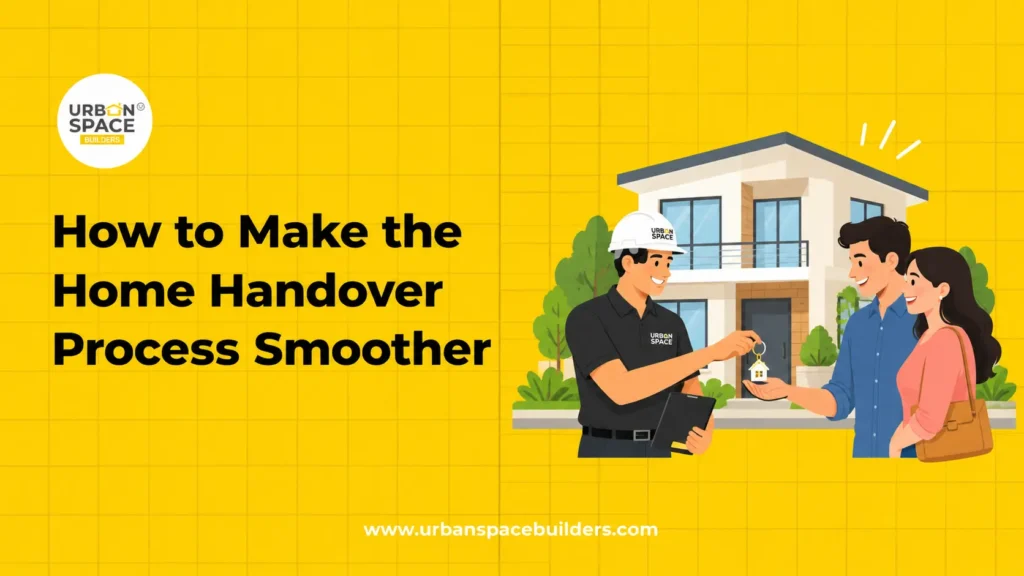
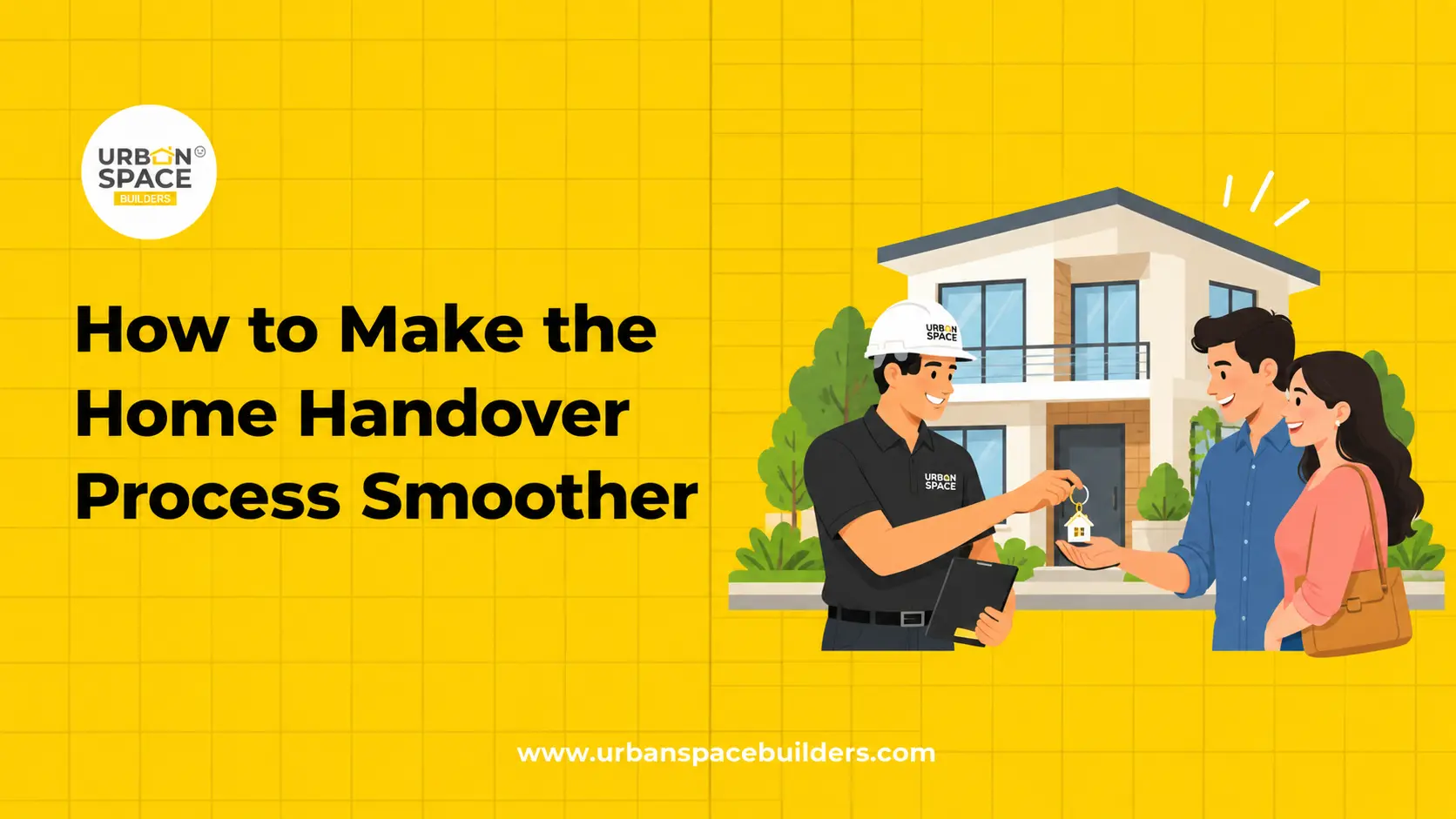
Getting the keys to a newly built home is an exciting moment. But before you move in, there is one important stage that should not be rushed: the home handover process.
The final stage of construction is when homeowners confirm that the work has been completed properly and that the house is ready for everyday use. Small issues with switches, doors, plumbing, paint, flooring or fittings can be easier to fix before possession.
For homeowners in Chennai, a structured handover is especially useful because it brings together construction quality checks, documentation, utility connections and final cleaning.
Urban Space Builders follows a planned approach to residential construction, helping homeowners understand what needs to be checked before the final handover.
What Is the Home Handover Process?
The home handover process is the series of final checks and activities completed before a newly constructed house is handed over to the homeowner.
It generally includes:
- Final inspection of the property
- Checking construction quality
- Identifying unfinished or defective work
- Preparing a snag list
- Rectifying identified issues
- Testing electrical and plumbing systems
- Checking doors, windows and fixtures
- Reviewing relevant documents
- Collecting warranty information and product manuals
- Final cleaning
- Final walkthrough
- Keys handover
The exact process can vary depending on the construction agreement, project scope and applicable local requirements.
Why Is a Proper Home Handover Important?
A proper handover gives homeowners an opportunity to verify the completed work before taking possession.
It can help you:
- Identify defects before moving in
- Ensure agreed work has been completed
- Check the quality of finishing
- Confirm electrical and plumbing functionality
- Organize important documents
- Understand maintenance requirements
- Reduce confusion after possession
- Record pending work clearly
A final inspection is not about finding faults for the sake of it. It is about making sure the completed home matches the agreed scope and is ready for normal use.
What Should You Check During a New Home Handover?
1. Check Walls and Ceilings
Look for visible cracks, uneven finishing, dampness, paint defects or unfinished areas.
Pay attention to corners, ceiling joints and areas around windows and doors.
2. Inspect Flooring
Walk through every room and check for:
- Damaged tiles
- Uneven flooring
- Loose tiles
- Poor grout finishing
- Incomplete skirting
Check balconies, utility areas and other less frequently inspected spaces as well.
3. Test Doors and Windows
Open and close every door and window.
Check whether:
- Locks work properly
- Handles are secure
- Shutters move smoothly
- Window frames are properly finished
- Glass panels are intact
4. Test Electrical Points
Switch on lights and fans and test available sockets.
Check the main electrical panel and confirm that the electrical installation has been completed according to the agreed specifications.
Any electrical safety-related concern should be reviewed by a qualified professional.
5. Check Plumbing
Run water through taps and check sinks, bathrooms and other plumbing points.
Look for:
- Leaks
- Poor drainage
- Low water flow
- Improperly fitted fixtures
- Water accumulation
A basic water pressure and drainage check can identify issues before you move in.
6. Inspect Bathrooms
Check bathroom tiles, sanitaryware, taps, shower fittings, exhaust arrangements and drainage.
Pouring a reasonable amount of water on the floor can also help identify visible drainage problems.
7. Inspect the Kitchen
Check countertops, cabinets, sink fittings, plumbing points, electrical sockets and other agreed kitchen fixtures.
Make sure cabinet doors and drawers open and close properly.
8. Check Waterproofing and External Areas
Inspect terraces, balconies, bathrooms and other areas where waterproofing is important.
Visible dampness or water seepage should be investigated before handover is considered complete.
How Does the House Handover Process Work?
A simple construction handover process can follow these steps:
Step 1: Confirm Construction Completion
The builder or construction team confirms that the agreed construction work has reached completion.
Step 2: Conduct the Final Walkthrough
The homeowner, site engineer or project team walks through the property room by room.
Step 3: Prepare a Snag List
A snag list records incomplete work, defects or finishing issues that need attention.
Examples include:
- Paint touch-ups
- Loose handles
- Damaged tiles
- Plumbing leaks
- Electrical issues
- Door alignment problems
Step 4: Complete Defect Rectification
The identified issues are corrected and checked again.
Step 5: Verify Documents
Collect relevant construction and handover documents applicable to the project.
These may include:
- Approved building plan
- Applicable completion documentation
- Construction records
- Product manuals
- Warranty documents
- Material warranty information
- Relevant approvals and certificates
The exact documents required can depend on the project and applicable authorities.
Step 6: Final Cleaning
The house should be cleaned so the homeowner can inspect and occupy the property comfortably.
Step 7: Final Handover
After pending items are addressed, the keys and applicable handover documents are provided according to the construction agreement.
What Documents Should You Receive During Home Handover?
Homeowners should organize all relevant project documents in one place.
Depending on the project, these may include:
- Approved building plan
- Applicable completion certificate or documentation
- Building approval records
- Electrical-related documents
- Warranty documents
- Product manuals
- Equipment information
- Material warranty details
- Final payment records
- Handover documentation
For projects in Chennai, approval and completion requirements can vary depending on the property’s location and the authority involved. Homeowners should verify applicable requirements with the relevant authority or their construction professional.
How Can You Make the Home Handover Process Smoother?
The easiest approach is to avoid leaving everything until the final day.
- Keep a Handover File
Maintain approvals, drawings, warranties, invoices, manuals and other relevant documents together.
- Use a Room-by-Room Checklist
Inspect one area at a time instead of trying to remember everything during a single walkthrough.
- Record Defects Clearly
Take photographs of visible issues and describe exactly what needs correction.
- Recheck After Rectification
Do not assume that an item has been resolved simply because it was marked as completed. Check it again.
- Understand Maintenance Requirements
Ask about water tanks, pumps, electrical systems, waterproofing, finishes and other elements that may require periodic maintenance.
Common Home Handover Mistakes to Avoid
Rushing the final inspection:
Excitement about moving in can make homeowners overlook small problems. Take sufficient time for the walkthrough.
Checking only visible rooms:
Inspect bathrooms, utility areas, balconies, terraces and service areas too.
Not creating a snag list:
Verbal instructions can easily be forgotten. Record pending items clearly.
Ignoring documents:
Construction documents and warranties can be useful later for maintenance and repairs.
Making the final payment without reviewing the agreed terms:
Check the construction agreement and payment schedule before making the final payment.
Not checking repaired defects:
Always verify completed rectification work.
Home Handover Checklist
Before taking possession, check:
- Construction work completed
- Final walkthrough completed
- Snag list prepared
- Defects rectified
- Walls and ceilings inspected
- Flooring checked
- Doors and windows tested
- Electrical points checked
- Plumbing tested
- Bathrooms inspected
- Kitchen inspected
- Waterproofing areas reviewed
- Fixtures and fittings checked
- Final cleaning completed
- Relevant documents collected
- Warranty information collected
- Maintenance instructions understood
- Final payment reviewed
- Keys received
Conclusion
A smooth home handover process starts with preparation, not just the moment you receive the keys. A detailed final inspection, clear snag list, proper defect rectification and organized documentation can help homeowners move into their new property with greater confidence.
For homeowners planning residential construction in Chennai, Urban Space Builders can support the project through services such as residential home construction, turnkey construction, architectural and structural design, construction cost estimation, project management, site supervision and building approval support.
A well-planned handover is the final step in turning a construction project into a home that is ready for everyday living.
Recent Posts
Key Stages of a Residential Construction Project Explained Building your …
Let's Build Your Dream Home Now!
Key Stages of a Residential Construction Project Explained Building your dream home is one of the biggest investments you’ll ever make. However, …

Key Stages of a Residential Construction Project Explained Building your dream home is one of the biggest investments you’ll ever make. However, …

Key Stages of a Residential Construction Project Explained Building your dream home is one of the biggest investments you’ll ever make. However, …

Key Stages of a Residential Construction Project Explained Building your dream home is one of the biggest investments you’ll ever make. However, …
Frequently Asked Questions
1. How long does the home handover process take?
The duration depends on the size of the house, the number of pending items and the documentation involved. A well-planned final inspection can make the process more organized.
2. What is a home handover checklist?
A home handover checklist is a list of construction, finishing, electrical, plumbing, documentation and maintenance items that homeowners review before taking possession.
3. What is a snag list in a new home?
A snag list records visible defects, incomplete work or finishing problems found during the final inspection. These items can then be tracked through defect rectification.
4. What should I check during a final home inspection?
Check construction finishes, flooring, doors, windows, electrical points, plumbing, bathrooms, kitchen, waterproofing, drainage, fixtures and other agreed work.
5. Can a construction company provide post-construction support?
Post-construction support can be included depending on the construction company’s scope and agreement. Homeowners should clarify the support process, warranty terms and contact points before handover.